Insights from creatorsAbout usApply now
  • Insights from creators
  • About us
Apply now
Privacy PolicyWebsite Terms

© 2026 Creator by Toptal. All rights reserved.

Brand Collabs
Monetization
9 Min Read

How to Get Sponsored by Brands: A Step-by-Step Guide for Creators of All Sizes

Getting sponsored is not about follower count. It is about trust, creativity, and knowing your value. This guide shows how real creators land brand partnerships by building a media kit, pitching with purpose, and forming relationships that last.

Kimia Kalbasi
total-icon
By Kimia Kalbasi
10 years of experience
90,000 followers/subs
@kimiaskravings
@kimiakalbasi
Verified Creator

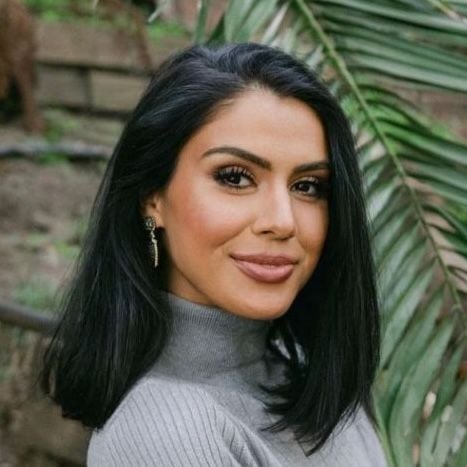
Kimia is a San Francisco-based content creator and influencer who has completed more than one hundred brand deals with partners including Uber, Instacart, LinkedIn, American Express, and Vuori. For monetization, she specializes in brand deals and UGC on Instagram. As an influencer marketing strategist, she helps companies build lasting influencer programs that drive awareness, engagement, and growth.

EXPERTISE
Instagram
Monetization
Brand Deals
SHARE:

In 2016, I jumped from a full-time corporate job as the Head of Influencer Marketing to becoming a full-time blogger, content creator, and, well, an influencer myself. Since then, I’ve been dubbed a “social media star” and “Instagram mogul,” but I assure you, success, including some lucrative brand deals, did not happen overnight. 

If you’re in the early stages of your creator journey, trying to grow your audience or authority, you may feel like major brand deals for content creators are out of reach. Or maybe you have an engaged mid-sized following, but aren’t sure how to get brand deals as an influencer because you’re too busy creating amazing content. 

Truly, bigger is not necessarily better. Nano- and micro-influencers land impressive partnerships every day, from niche brands to well-funded startups. First, let's define the different influencer tiers so we’re using the same vocabulary:

  • Nano-influencer: 1,000–10,000 followers; highly engaged niche audience
  • Micro-influencer: 10,000–50,000 followers; a trusted voice in a specific vertical with strong engagement
  • Mid-tier influencer: 50,000–500,000 followers; balance of solid engagement and significant reach
  • Macro-influencer: 500,000–1 million followers; large reach with polished content
  • Mega or celebrity influencer: 1 million+ followers; most name recognition and broad reach

Even if you’re not on the Kardashians’ level (and honestly, who is?), getting sponsored by brands goes far beyond audience size. What matters most to brands is not how many eyeballs see your posts—it’s how many people actively engage: commenting, clicking, sharing, and showing genuine interest. This represents audience trust, which brands value highly and often prioritize when choosing partners. 

Engaged followers are more likely to take action and make purchases than passive followers who just view your content and scroll past. And many smaller influencers perform above their weight class: Social Cat’s 2025 Influencer Marketing Report found that micro-influencers surpass mid-tier influencers' engagement rate by 46% (1.81% compared to 1.24%). Meanwhile, nano-influencers top even micro-influencers, boasting nearly 50% higher engagement.

If you can drive engagement through interactive polls, fun Q&As, replying to comments and messages, and discovering what your audience likes and dislikes, you’re that much closer to getting sponsored on Instagram, YouTube, or other platforms by the brands you desire. 

The following guide combines real-world examples, the latest market research, and pro tips from my personal experience to help creators of all sizes secure brand deals, whether you’re a small influencer or an established creator.

Before we get into the how, let's answer the question I get asked more than any other: "What should I charge?"

Your rate depends on more than just your follower count. Your platform, content format, engagement rate, and niche all play a role. Our team built this calculator using real industry benchmarks so you can walk into any negotiation with a number you can back up. Plug in your stats and see where you stand.


Now that you have a baseline, let's talk about how to actually land those deals.

Step 1: Create Your Media Kit

Before you land a single brand deal, you need to show up like a pro. That means building a media kit—a polished, visual snapshot of who you are, what you offer, and why brands should work with you. Think of it as your influencer resume meets elevator pitch, wrapped up in your personal aesthetic.

A polished media kit helps brands see your value at a glance. Include these essentials to present yourself like a pro.

Your media kit should include: 

  • A short bio (under 150 words) that captures your niche, tone, and personality. 
  • Key social media stats like follower count, engagement rate, reach, and platform breakdown.
  • Audience insights: age, gender, location, and top interests.
  • Services offered: sponsored posts, reels, unboxings, reviews, and affiliate partnerships—available à la carte or as a bundle. This illustrates the various formats through which influencers secure brand deals and get sponsored by brands.
  • Past collaborations or featured brands: logos, screenshots, or campaign highlights work great.

If you’re just starting out, don’t worry. You don’t need a long list of past partnerships. Instead, showcase brands you’ve organically featured in your content, even if it wasn’t paid. The goal is to show that you’re already creating brand-aligned content and that you understand how to authentically spotlight products. 

To design your media kit, consider using Canva, a free, beginner-friendly design tool. Search terms like “media kit,” “influencer media kit,” or “press kit” to pull up dozens of templates. Use a preset one or create your own. Just make sure the design matches your brand’s color palette, vibe, and overall style.

💡 Pro Tip:

Don’t include pricing in your media kit. Brands have various budgets, and locking in a number too soon can either lowball yourself or scare off potential partners. It’s better to keep a separate rate sheet for yourself and discuss pricing only during negotiation. That way, you stay flexible while still knowing your worth.

Step 2: Create a Wish List of Brands and Find the Right Contacts

You probably have brands you dream of working with. Chances are, they are also looking for creators like you. According to SproutSocial’s 2025 influencer marketing data, 86% of US marketers plan brand partnerships with influencers, and 26% of marketing agencies and brands now dedicate more than 40% of their marketing budgets to influencer programs. Clearly, the opportunity is there. The trick is blending vision (picking the brands you’d love to work with) with strategy (identifying the right people inside those companies to connect with).

How to do it well: 

  • Make a wishlist of about 15 to 20 brands you’re excited about—whether they’re big names like Poppi or Rhode or smaller niche brands that align with your ethos and style. Keep the list somewhere you’ll see it regularly so you stay focused and intentional about your outreach.
  • Categorize your list. Group the brands by niche (beauty, wellness, lifestyle, etc.), budget type (big spenders vs. smaller or micro-budget), and content style you see them doing (static posts, reels, product drops, etc.). This makes it easier to tailor personalized pitches later. 
  • Research contacts in the marketing department of your targeted brands. Use the brand’s LinkedIn “People” tab, the “About Us” pages on brand websites (especially ones that identify individual staff members), and sometimes Instagram to find job titles like Influencer Marketing Manager or Associate, Social Media Manager, or even Community Manager. 
  • Reach out, casually at first. Try a short, complimentary message on Instagram like, “Hey [Brand Name]! I’m [Your Name], a longtime fan of your [Product] line. I’d love to collaborate. Who is the best person to send my media kit to?” This opens the door, gauges interest, and helps you connect with the right person before going into full-on pitch mode.

💡 Pro Tip:

When reaching out, personalize every message. Mention a recent campaign you admired or a product you genuinely use. This shows you’ve done your homework and helps you stand out for the right reasons, which improves your chances of getting sponsored by brands.

Step 3: Perfect Your Pitch

Once your media kit is ready and you've identified the right contacts, it’s time to craft a standout brand sponsorship pitch: one that’s clear, compelling, professional, and tailored to each brand. Your pitch should feel like a warm, one-on-one conversation, not a mass email. 

This brand pitch email shows the structure of a strong brand pitch email, highlighting what to include in each section for clarity and impact.

Here’s what to include:  

  • A subject line that grabs attention. Question-based subject lines—“Are you looking to expand your creator partnerships?—tap into the Zeigarnik effect, our brain’s tendency to seek closure for incomplete information, according to InfluencerMarketingHub. 
  • A short, engaging bio introducing who you are, the type of content you create, and what makes your brand unique. State your value clearly. 
  • Any press features, media coverage, or notable collaborations to establish authority and credibility in the space.
  • A clear campaign concept or collaboration idea showing how you envision working with the brand. This gives your outreach purpose with a creative edge.
  • A call-to-action (CTA) that encourages a reply.  

Here is an example of a pitch email that I might send to a travel brand: 

Hi [Brand Name],

My name is Kimia Kalbasi, and I am a global lifestyle content creator specializing in food, travel, and hospitality, with a positive, pun-filled style.

I’m reaching out to introduce myself because I would love to collaborate with you. My idea is to create content around my experience at your hotel to share with my audience, and for any marketing use on your end as well. 

For instance, I recently worked with Four Seasons Embarcadero on a 3–4-night stay in exchange for an IG feed post + IG Stories + folder of 50+ images for the hotel's marketing use. I enjoyed the experience so much that I organically shared an additional feed post.

I have also included my press kit for reference. I look forward to hearing from you and discussing potential collaborations.

Best,
Kimia

The hard truth: Even if you do everything right, there are a million reasons brands may not respond, from audience misalignment to budget constraints to timing issues. Follow-ups are normal before you get a reply, and sometimes you may not hear back at all, and that’s okay. Don’t let it discourage you. This is how influencers get brand deals and get sponsored over time.

From a success rate standpoint, influencer outreach typically sees a 20% to 30% email response rate. That means for every 10 emails you send, expect two to three replies—yeses, nos, or a mix of both—but each response is a step forward. 

It’s always worth establishing a rapport with the brand contact, even if the timing isn’t right. Brands often revisit past pitches when new campaigns roll out, budgets shift, or priorities change. Thoughtful, professional communication now can lead to future opportunities. 

💡 Pro Tip:

Beware of mail merges! They lack personalization, and recipients can easily tell the difference between a 1:1 message and a mass send-off.

Step 4: Negotiate Like a Pro

You’ve gotten a reply, and the brand is interested in collaborating—high-five! Now it’s time to switch gears from pitching to negotiating. This is where preparation, clarity, and a little bit of chutzpah come into play. 

Start by having a documented rate sheet to use as a baseline. This helps you stay consistent and grounded in your value. Your pricing should reflect your time, effort, and deliverables—while remaining flexible enough to adapt to different campaign scopes. 

It’s also essential to understand the partnership structure. Clarify whether the offer is a gifting opportunity (free product in exchange for content), a flat-fee collaboration, an affiliate partnership (based on commission), or a hybrid model that combines elements of these. Each type has different expectations and compensation models, so make sure you know exactly what you’re signing up for. 

Some key factors that go into calculating rates: 

  • Type and length of content: images, videos, reels, blog posts, etc. Video content generally commands higher rates due to production time, editing, and engagement potential, and longer videos or multi-part content typically cost even more.
  • Usage rights: how and where the brand intends to use your content across their marketing channels. More exposure or longer duration often equals higher fees. 
  • Ad spend, exclusivity, and other campaign-specific details: timelines, revisions, travel or event obligations, and other deliverables all factor into your pricing. 

Remember, you don’t have to say yes, even if the offer looks generous. Here are some valid reasons to walk away from brand sponsorship opportunities:

  • Brand misalignment: If the brand’s ethos or products don’t align with your values or content style, it’s okay to pass. For example, if you’re a modest-fashion influencer and a lingerie brand reaches out, it may not be a fit just because it pays well.
  • Personal values conflict: High pay doesn’t justify promoting a product or lifestyle that goes against your beliefs. If a plant-based meat brand approaches you but you’re a committed carnivore, promoting their product might feel inauthentic and risk alienating core followers.
  • Overcommitment: If your schedule is already full with other campaigns, it’s okay to decline or request a later start date that better fits your timeline.
  • Brand reputation issues: If the brand has recently faced negative press and you don’t want to be associated with it, it’s acceptable to pass.
  • Compensation mismatch: If the pay doesn’t match your rates or the workload exceeds the offer, it’s okay to say no. You can keep the conversation professional for future opportunities.

Step 5: Seek Representation (Optional)

Many creators work with talent managers or agents who take a cut (usually 10-20%) in exchange for maximizing opportunities, negotiating contracts, and opening doors to brands you might not reach on your own. 

Representation often comes with minimum thresholds—things like follower count, content niche, or past partnerships—so do your research. If you’re just starting out, consider boutique agencies or managers who specialize in nano- and micro-influencers. Many brands actually prefer working with smaller creators because of higher engagement and stronger audience trust, compared to the big ones, who may convert at a lower rate despite having broader reach.

💡 Pro Tip:

Representation is not required for brand sponsorship success. After all, you know yourself and your brand best, and can learn the ropes of pitching, negotiating, and relationship-building firsthand. You can act as your own agent, but be cautious about having a friend or family member negotiate on your behalf unless they have relevant experience.

Step 6: Deliver What the Brand Needs

Contract signed? Great, now keep an eye out for a content brief from the brand. This document outlines their vision and expectations, including key messaging, talking points, creative guidelines, and brand principles to ensure your content aligns with their voice and identity. The brief will typically include direction on language to avoid, specific phrases to use, and other dos and don’ts. It may also give wardrobe or production guidelines, such as what to wear or not wear (logos, competing brands), and tips for lighting, framing, and overall presentation. 

💡 Pro Tip:

Meeting deadlines is critical, but exceeding expectations makes you memorable. Whether it’s sending back content ahead of schedule or adding special content touches that go above and beyond, always aim to impress.

Step 7: Track and Share Results

Brands invest in influencer marketing to drive measurable returns, and they’re willing to spend big. In 2025, the global influencer marketing industry is projected to reach nearly $33 billion, up from $24 billion in 2024, according to Statista. The performance metrics that matter most? Reach, engagement, and, above all, conversions, because those directly drive revenue.

To hit this metrics trifecta, ensure your content is compelling and interactive with clear calls-to-action. Strong performance increases your credibility and shows your ROI to the brand. This can lead to larger, longer-term campaigns, creating a cycle of ongoing opportunities.

💡 Pro Tip

Don’t just post and hope for the best—monitor performance in real time. Track click-through-rates (CTR) in the first hours or days of a blog post or YouTube video release. If engagement is low, small tweaks—like adjusting your title, thumbnail, or CTA—can boost results. Quick optimizations signal to brands that you’re data-driven and committed to maximizing impact.

Step 8: Build Long-Term Partnerships and Lasting Success

The most valuable partnerships aren’t one-and-done—that’s what’s called a transaction, not a relationship. And the best relationships are built on trust and consistency. Brands that work with creators over the long haul tend to invest more, take bigger creative risks, and support more ambitious campaigns. In fact, Famesters’ Influencer Marketing in 2025 report found that 63% of brands prefer sustained collaborations with influencers over one-time engagements. In short, quality and loyalty pay off. 

Ways to foster these long-term successful partnerships: 

  • Stay in touch with brand contacts even after a campaign ends. While this may seem trivial, it goes a long way in the brand world. A simple check-in or performance update keeps you top of mind for future opportunities. 
  • Tag and feature brands organically if you genuinely use them in your day-to-day. This underscores authenticity and keeps you visible.
  • Pitch fresh concepts to inspire the next campaign opportunity. Brands appreciate creators who bring proactive ideas to the table. 
  • Collaborate with other creators in your network to boost reach and build even more compelling campaigns.

💡 Pro Tip:

Show up like an extension of the brand. When brands see you as part of their team, they’re more likely to bring you back again and again.

Dos and Don’ts of Brand Sponsorships

Landing a brand partnership can be exciting, rewarding, and creatively fulfilling, but it also comes with expectations, responsibilities, and long-term implications for your reputation. Protecting your credibility and sustaining long-term success takes more than signing on the dotted line. It takes approaching each deal with professionalism, integrity, and clarity. 

These dos and don’ts—ones I personally follow—will help you avoid common pitfalls and build stronger, lasting relationships with brands.

Highlights best practices and common mistakes creators should know when working with brands.

Do:

  • Be transparent about your ability to meet deadlines. Brands often depend on tight schedules for seasonal product launches and campaigns, so you don’t want to leave them hanging. 
  • Always review the fine print. If the deliverables exceed the budget, speak up and define what you can provide within their limits. This is where bundle deals come in handy. For example, if a brand offers $1,000 for a package that typically costs more—say, one Instagram Reel plus three to five stories, when you normally charge $1,000 for a single carousel—you can counter by adjusting the scope: Offer 1 Reel plus two stories instead, or shorten a link-in-bio placement from 72 hours to 36 to 46 hours. 
  • Have a contract in place. They protect both you and the brand and set expectations. 
  • Follow the FTC guidelines for disclosure. Authenticity and compliance build trust. Violations can harm both you and the brand. 

Don’t:

  • Take a deal just for the money. Yes, we’ve all got to pay the bills, but your audience can spot inauthentic partnerships, and it can hurt your credibility. 
  • Accept deals that don’t align with your brand. Promoting products that conflict with your values or content style can damage both your reputation and the brand’s. 
  • Work with competitors at the same time. Many brands will have you sign non-compete agreements to prevent, so be respectful and stay loyal to the brand to build long-term relationships.
  • Delete or archive brand deal posts. Brands track content performance, and removing posts can harm your relationship and be seen as a breach of trust. 

Your Path to Brand Partnerships Starts Now

Ultimately, you don’t need millions or even hundreds of thousands of followers to land meaningful brand deals. What you need is a strong game plan, consistency, persistence, and a genuine connection with your audience. Rejection is part of the path, but it builds resilience. Brand deals for influencers, small or large, can be yours if you approach them thoughtfully.  

Start by creating your wish list, crafting personalized pitches, delivering content that exceeds expectations, and nurturing relationships that last. With those steps in place—and backed by data—you’ll see the deals line up right before your eyes!

Frequently Asked Questions

Brands care more about engagement and content quality than follower count. Many nano-influencers with as few as 1,000 followers secure partnerships because they have highly engaged, niche audiences that convert well.

Timelines vary. Some creators land partnerships within a few weeks of pitching, while others need months of consistent outreach. Sending personalized pitches, improving your media kit, and staying active with your audience shortens the timeline.

Yes. Brands often look for creators who already post polished, brand-aligned content, even if those posts aren't sponsored yet.

What matters most is the quality of your existing content. If your feed shows strong storytelling, clean visuals, and genuine product use, brands can see your potential. Many creators secure their first partnership based on their organic content alone. Focus on building a consistent feed that demonstrates your ability to showcase products naturally and authentically.

Influencers secure partnerships by building strong engagement with their audience and creating polished, consistent content. Focus on understanding what your followers care about and how your content connects with them.

When reaching out to brands, present a clear value proposition. Show how your audience aligns with their target customers. Pitch specific collaboration ideas that fit naturally with the brand's goals and your existing content style.

Insights from the creator universe delivered weekly

By entering your email, you are agreeing to our privacy policy.

TRENDING NOW

Instagram
How to Get More Followers on Instagram in 2026: 11 Ways to Increase Your Followers Fast
Brand Collabs
How to Get Sponsored by Brands: A Step-by-Step Guide for Creators of All Sizes
YouTube
12 Proven Ways to Make Money on YouTube in 2026

Work with a Toptal Creator expert on this topic.

Apply Now
ABOUT THE AUTHOR
Kimia Author Image 1762369164020 Z 9 M 0 M 8 F
total-icon
Kimia Kalbasi
10 years of experience
90,000 followers/subs
Verified Creator
READ NEXT
Brand Collabs
11 Min Read

50+ Brands That Send PR to Small Influencers (Even with Under 10K)

Kimia Kalbasi
total-icon
By Kimia Kalbasi
10 years of experience
90,000 followers/subs
@kimiaskravings
@kimiakalbasi
Verified Creator

Kimia is a San Francisco-based content creator and influencer who has completed more than one hundred brand deals with partners including Uber, Instacart, LinkedIn, American Express, and Vuori. For monetization, she specializes in brand deals and UGC on Instagram. As an influencer marketing strategist, she helps companies build lasting influencer programs that drive awareness, engagement, and growth.

EXPERTISE
Instagram
Monetization
Brand Deals

Insights from the creator universe delivered weekly

By entering your email, you are agreeing to our privacy policy.