You’ve double-checked your CV, applied to dozens of roles—but haven’t heard back. If you’ve got the qualifications but aren’t getting interviews, your CV could be holding you back. That’s because most tech CVs are filtered by an applicant tracking system (ATS) long before they reach a recruiter. These software applications help companies streamline their hiring processes, but they can keep your CV out of the right hands if it isn’t optimised to pass ATS screening.
To make sure your CV gets the consideration it deserves, you’ll need to understand how ATS works, why many tech CVs fail, and how to beat automated filters using smart CV formatting and strategic keyword placement. With the right adjustments, you can craft an ATS-friendly CV that impresses both systems and human recruiters.
If you're unsure where to begin, these CV writing tips can help you avoid common mistakes that cause CVs to be rejected by ATS filters. Whether you're trying to understand how to make your CV stand out or simply learning how to formulate a CV that aligns with today’s hiring tech, a few focused changes can significantly improve your chances of landing an interview.
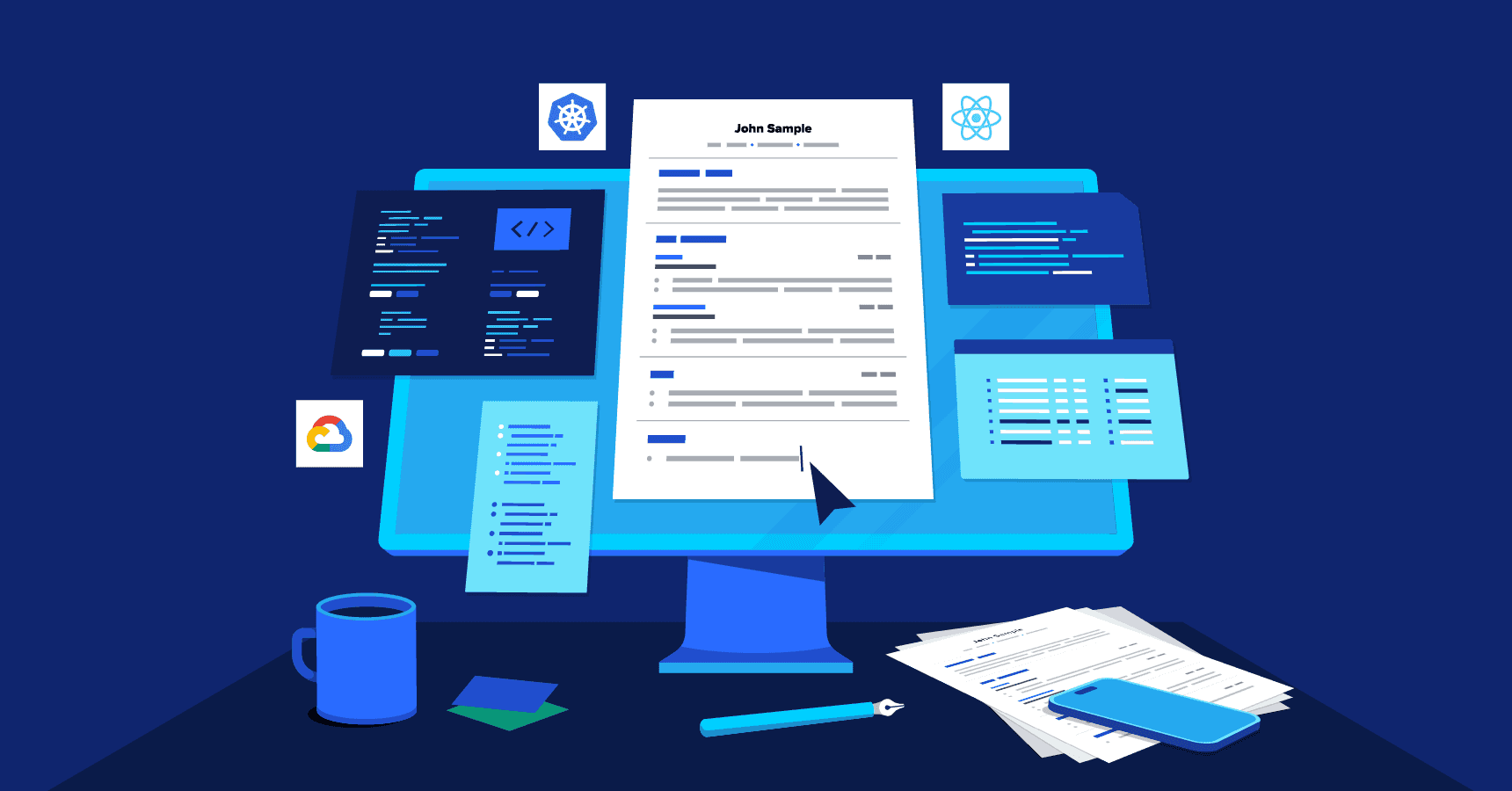
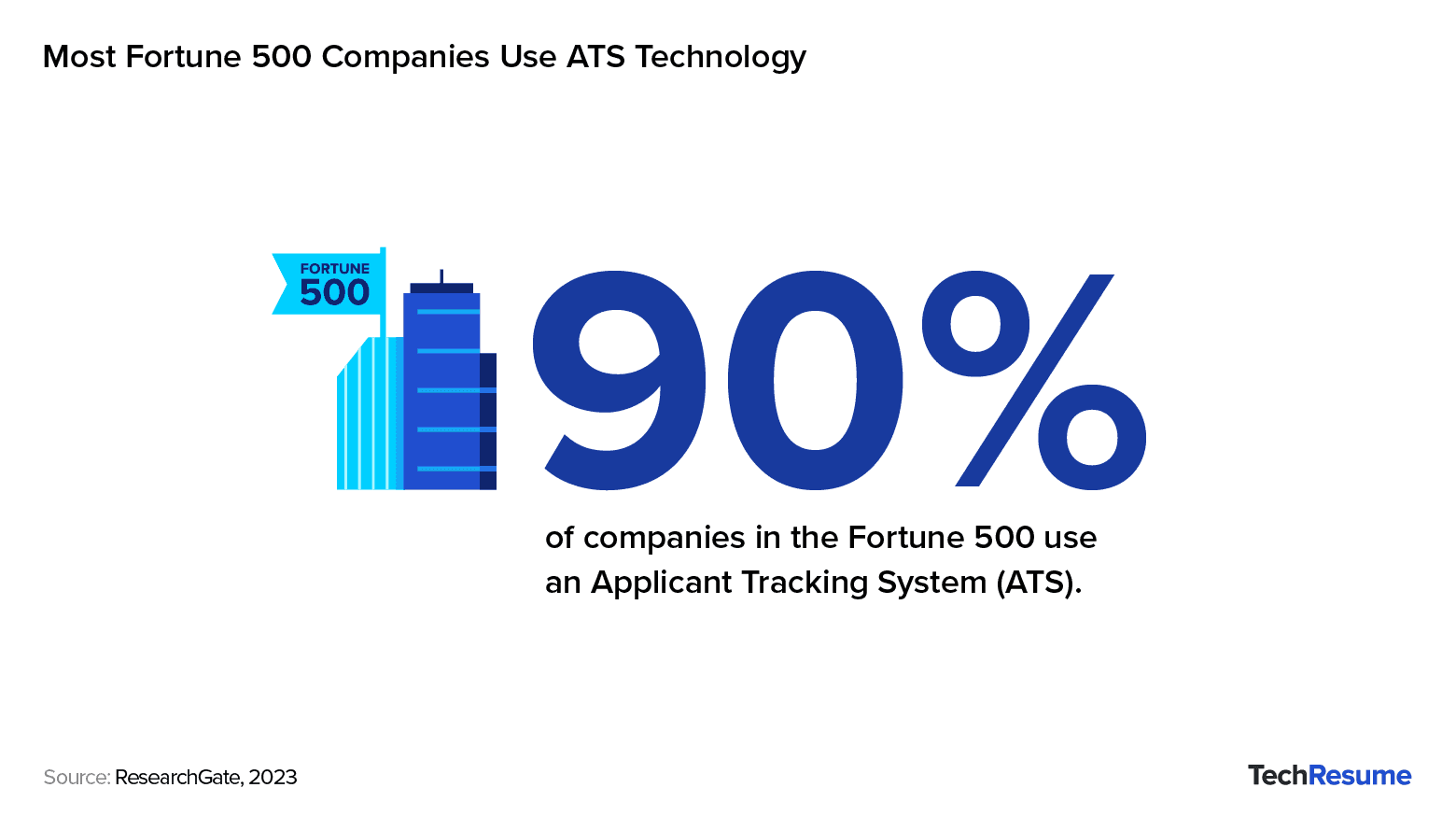
An applicant tracking system, or ATS, is a tool that parses, scores, and ranks CVs. The software emerged in the late 1990s to help companies digitally manage a growing influx of job candidates. Today, many startups and 90% of companies in the Fortune 500 use an ATS, according to academic research.
The technology is getting more sophisticated, thanks to the growth of AI, which not only improves the efficiency of an ATS but can also automate communication with candidates and schedule interviews.
Tools like these are critical in today’s challenging talent market–74% of employers say they’re struggling to find the skilled talent they need in 2025, according to a survey by Manpower Group. As a result, companies are continuing to invest in ATS tools to help surface the best candidates. The global ATS market is projected to reach $5.65 billion by 2031, according to Verified Market Research.
While automated CV screening helps companies manage a high applicant volume and can cut down on the time it takes to hire, the tool has one big downside: Many CVs are filtered out due to structure, format, or keyword mismatches.
In a survey of 2,275 executives across the US, UK, and Germany by Accenture and Harvard Business Review, 80% of respondents said more than half of the candidates for high-skilled positions were disqualified by ATS filters. That means talented prospects are being overlooked.
There are four common CV-writing mistakes that explain why some CVs get rejected by an ATS. Fixing these errors will help ensure your CV makes it to the next level.
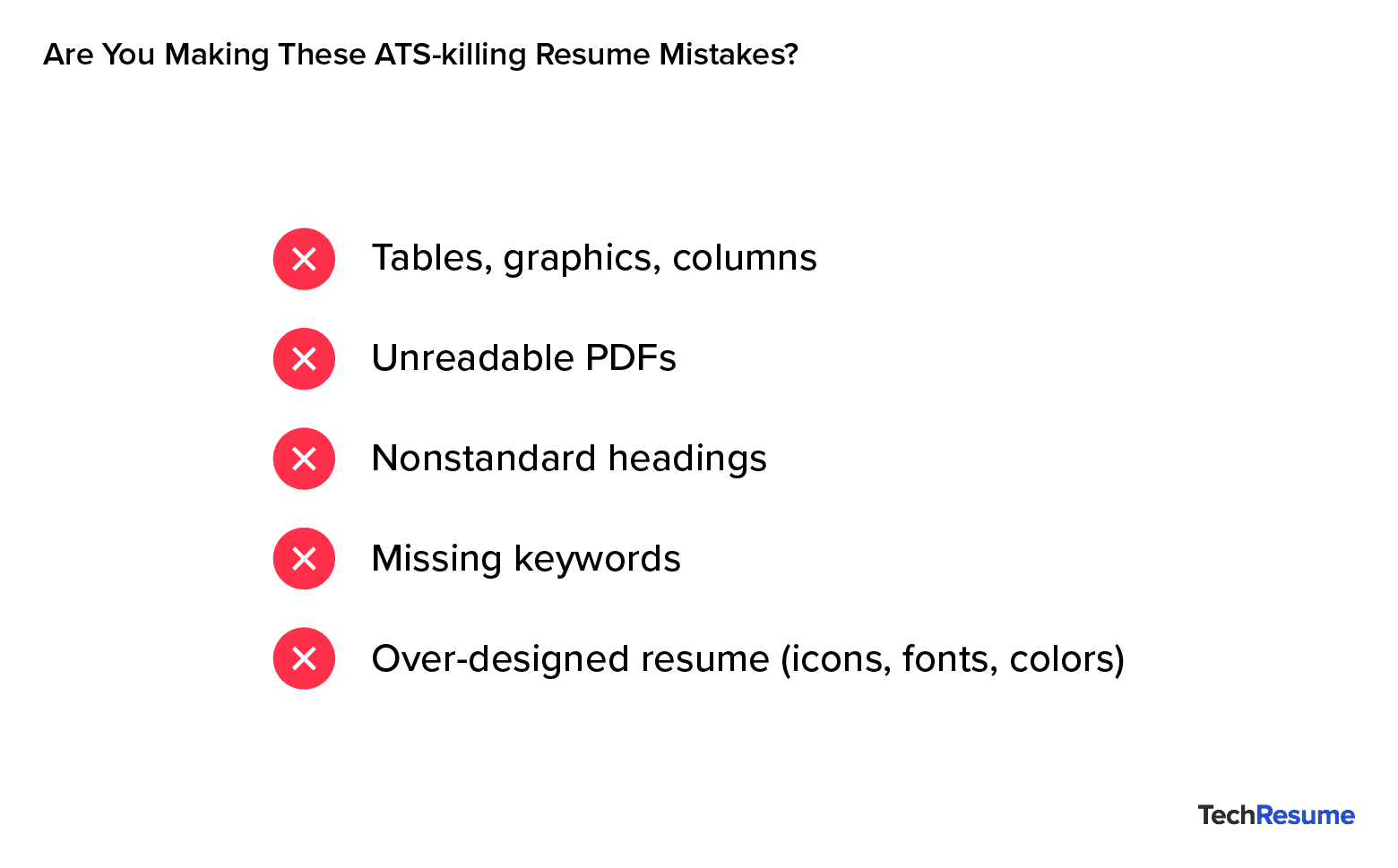
ATS systems struggle to read complex formatting, which is why clean, simple CV formatting is critical to success. Elements like headers, footers, graphics, images, text boxes, tables, and multiple columns often cause parsing problems.
Also, avoid over-designed CVs that use decorative fonts, unusual spacing, icons, or colour accents. These elements may look polished, but can confuse ATS systems or prevent proper parsing. Stick to clean, readable fonts like Calibri, Tahoma, or Verdana, and keep the layout simple and consistent.
While Word (.docx) and PDF files are generally accepted, some ATS systems might not parse other formats correctly, and PDFs with unreadable elements can also be eliminated from consideration. Save your CV in a Word (.docx) format whenever possible, as it’s the most reliably parsed by ATS software. If you must use a PDF, ensure it's text-based and avoids any graphics or layered formatting that could interfere with parsing.
Using headings like “Projects” instead of the more commonly recognised “Experience,” for example, could result in your CV being overlooked or discarded by the system. Use standard headings like “Experience,” “Education,” and “Skills” to prevent confusion.
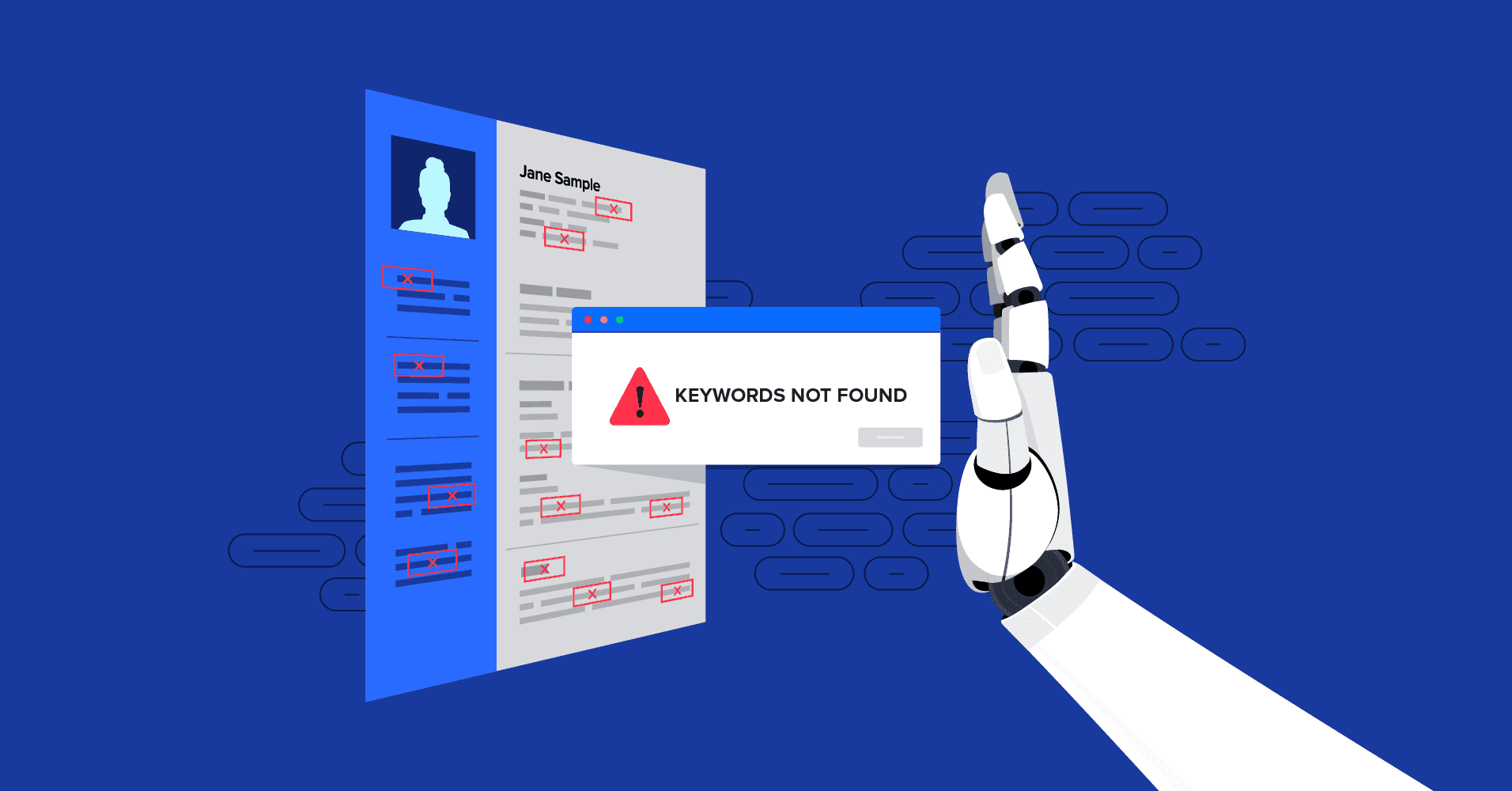
If your CV is missing relevant terms from the job description, the ATS is going to assume you’re not a fit for the job. That’s why it’s crucial to optimise your keywords so the tech ranks your CV appropriately.
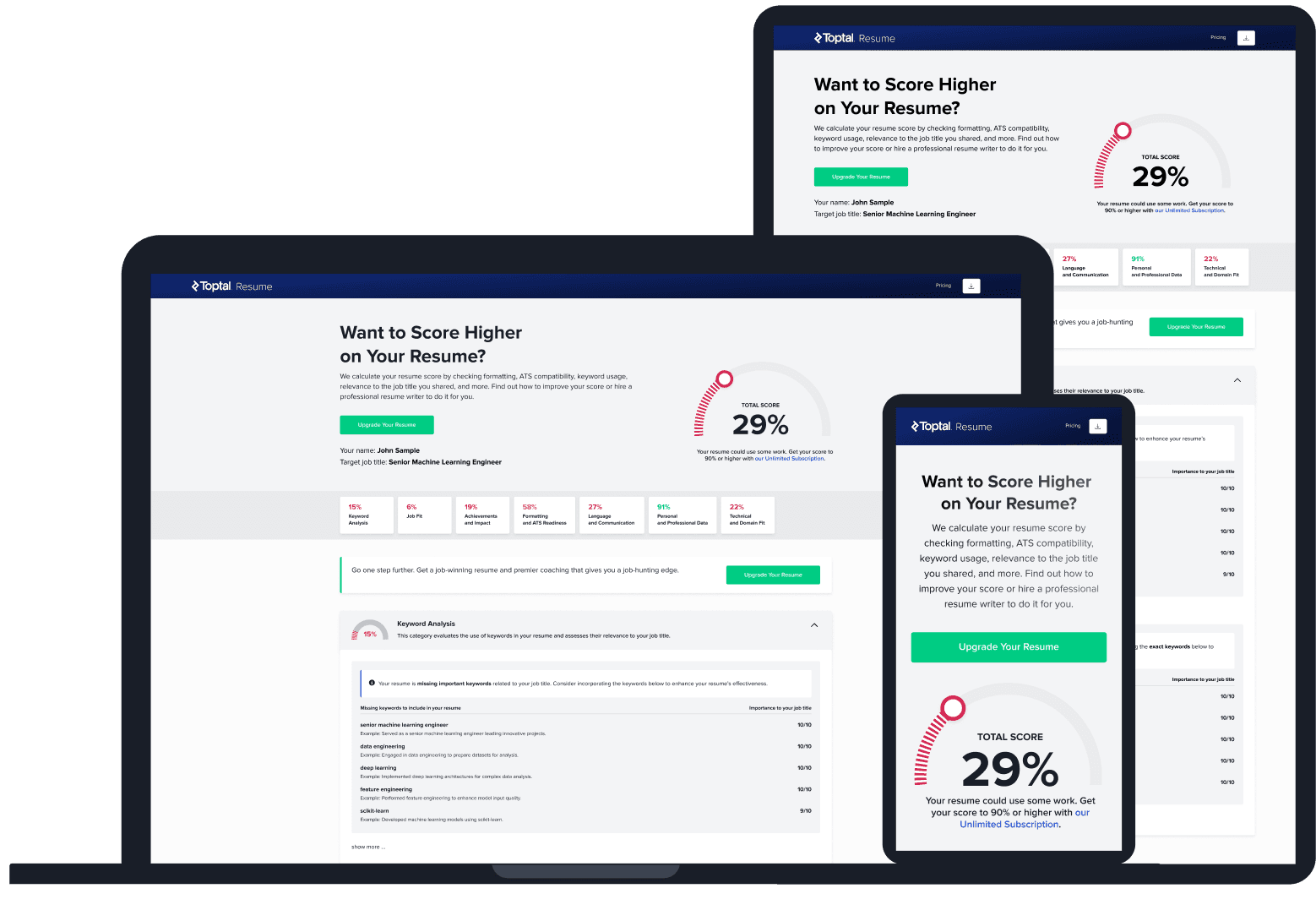
One way to check your alignment is by using a keyword analyser that compares your CV to the job posting. For example, Toptal Resume’s ATS score checker includes a keyword analyser that identifies missing or weak keywords based on the job description. If you're applying for a data analyst role, but your CV doesn’t mention tools like SQL or Python, the checker will flag that as a potential gap.
Recruiters are ultimately looking for qualified candidates, and an ATS helps them by scanning your CV for relevant keywords. For someone applying for a data analysis job, for example, the ATS may be looking for phrases such as “data engineering,” “data aggregation,” and “data mining,” as well as specific tools, such as Excel and SQL.
It’s important to integrate these keywords throughout your CV, including in the summary, experience, and skills sections, and use variations of keywords so that your relevant skills are identified by the system (e.g., “JavaScript frameworks” and “React” or “project management” and “project manager”). But use keywords judiciously. Excessive keyword repetition can reduce your match score or make your CV look unnatural to recruiters reviewing it later.
“Keywords aren’t just about passing the ATS—they’re about showing the recruiter you speak the same language as the team. It’s one of the fastest ways we evaluate alignment.”
— Marisa Goldberg, Senior Director of Recruiting at Toptal
The best way to ensure you’ve got the right keywords for an ATS-friendly CV is to mirror language from the job description and mention the skills and experience the employer is seeking (if you’ve got them, of course). Be sure to include the job title itself (e.g., “data analyst”), preferably near the top of your CV.
Feel free to include experiences that demonstrate soft skills such as problem-solving, adaptability, communication, and collaboration. ATS tools primarily prioritise hard skills, but soft skills can still be picked up when tied to measurable achievements or role-specific language. Highlight these skills through specific examples that tie to your responsibilities and outcomes—this helps both ATS systems and human reviewers understand your value.
Now that generative AI is increasingly able to complete routine tasks, employers are looking for candidates who can tackle the work that technology can’t. According to LinkedIn’s Global Talent Trends, 69% of US executives say they plan to prioritise hiring candidates with soft skills, particularly transferable skills that allow them to move nimbly across roles.
Additionally, include a clearly labelled “Core Skills” section towards the end of your CV. Use a simple, comma-separated list of tools, languages, and certifications to help ATS systems easily identify and rank your qualifications.
Automation may be revolutionising the hiring process, but many of the old rules still apply when job-seeking. That means, yes, you should tailor your CV for every role. Ultimately, employers want employees who can do the job; ATS simply helps them quickly filter the list of prospective candidates by making sure they have the necessary skills. Make sure your entire CV reflects what the job requires, emphasising domain-relevant accomplishments and the necessary tech stack.
“Generic CVs don’t make it past the first review. But when a CV is clearly aligned to the role—with relevant tools, titles, and results—it immediately stands out.”
— Marisa Goldberg, Senior Director of Recruiting at Toptal
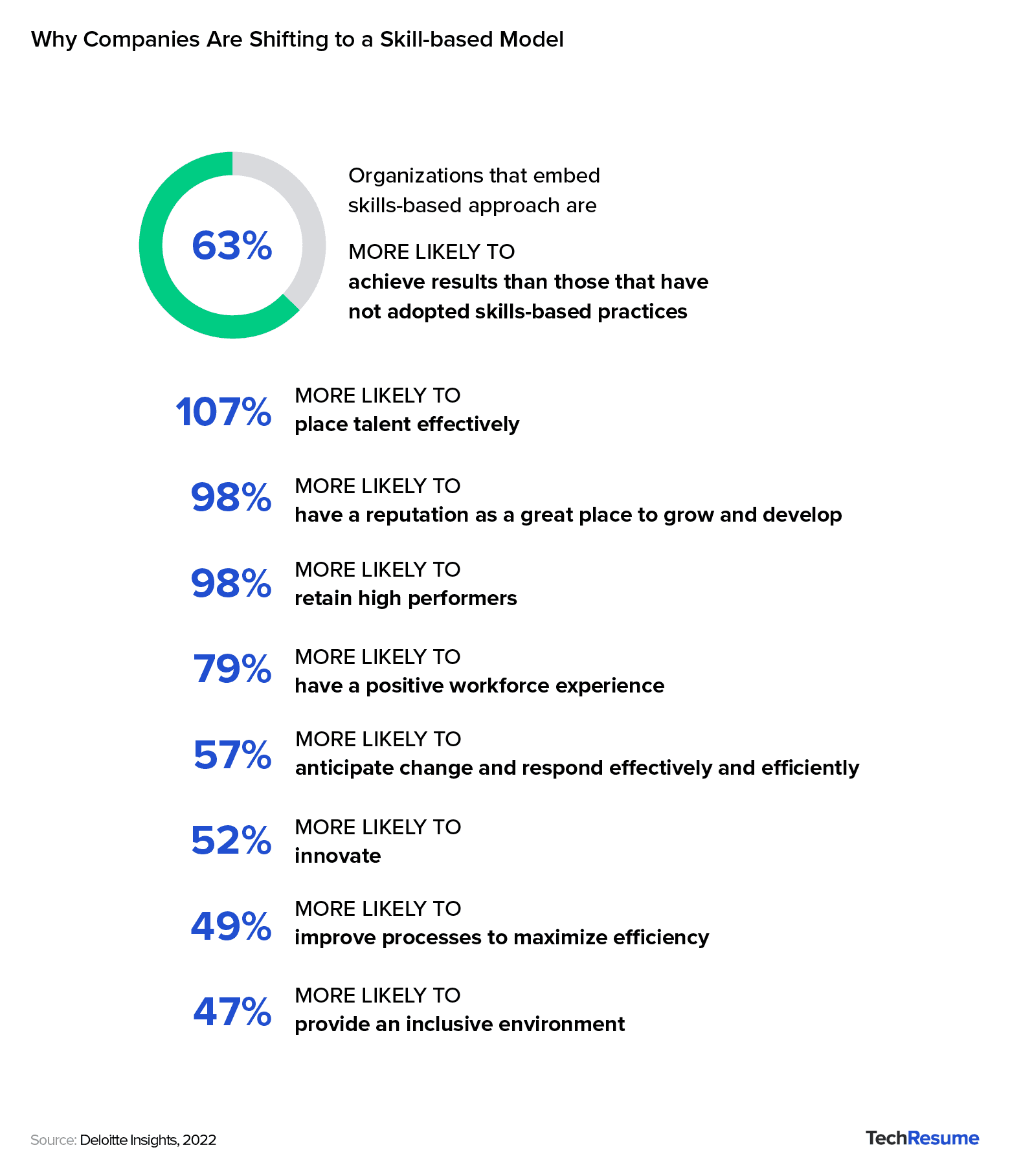
This is especially important because more and more enterprise companies are shifting towards an operating model that emphasises skills, rather than jobs, according to a report by Deloitte. The professional services firm expects the trend to continue, since skills-based organisations are 79% more likely to provide a positive workforce experience and 63% more likely to achieve results.
Just as employers are turning to technology to solve their staffing woes, job-seekers are increasingly using AI and AI-powered services to land a job. A Financial Times report estimated that about half of current job applicants use tools like ChatGPT to add keywords to their CVs, craft polished cover letters, and pass psychometric tests.
But that strategy can be risky if it’s not executed well. CVs written by free AI platforms can be generic, incorrect, and clunky. Many employers will dismiss candidates if they suspect their CVs were written by AI, and large organisations like Deloitte, EY, PwC, and KPMG have cautioned graduates against using AI in their applications, the Financial Times reports.
When enlisting help with your CV, look for a CV checker service that acts as an ATS score checker—reviewing your document for CV formatting and file errors, suggesting job-specific keywords, and performing a full ATS-readiness audit. Toptal Resume’s audit includes a check for role-relevant keywords, measures how closely your language matches the job description, and ensures that your CV structure is fully compatible with ATS—from clean formatting to logical section headings.
Understanding how to formulate a CV that balances ATS compatibility with strong personal branding can be the difference between silence and interviews. Use these tips as a checklist for optimising your job applications.
Remember, even great CVs can fail if they’re not ATS-optimised. With the right adjustments, your CV will pass the ATS check, reach the right decision-makers, and increase your chances of securing an interview.