Why Most Tech CVs Fail: Target Role Misalignment
Many tech CVs get rejected due to poor alignment with target roles. Learn how to write a CV that matches applicant tracking systems (ATS) expectations and recruiter priorities, with practical CV writing tips you can apply right away.

AUTHOR
Tracie Close
Job Search & Career Strategist
Tracie Close is a job search and career strategist specialising in job search optimisation, CV writing, and employer branding. With more than 16 years of experience supporting recruiters, HR teams, and job seekers, she brings deep insights into hiring practices and applicant tracking systems (ATS). She holds a Bachelor of Arts in Communications and Writing Arts from Rowan University and has led digital strategy projects for global tech firms.
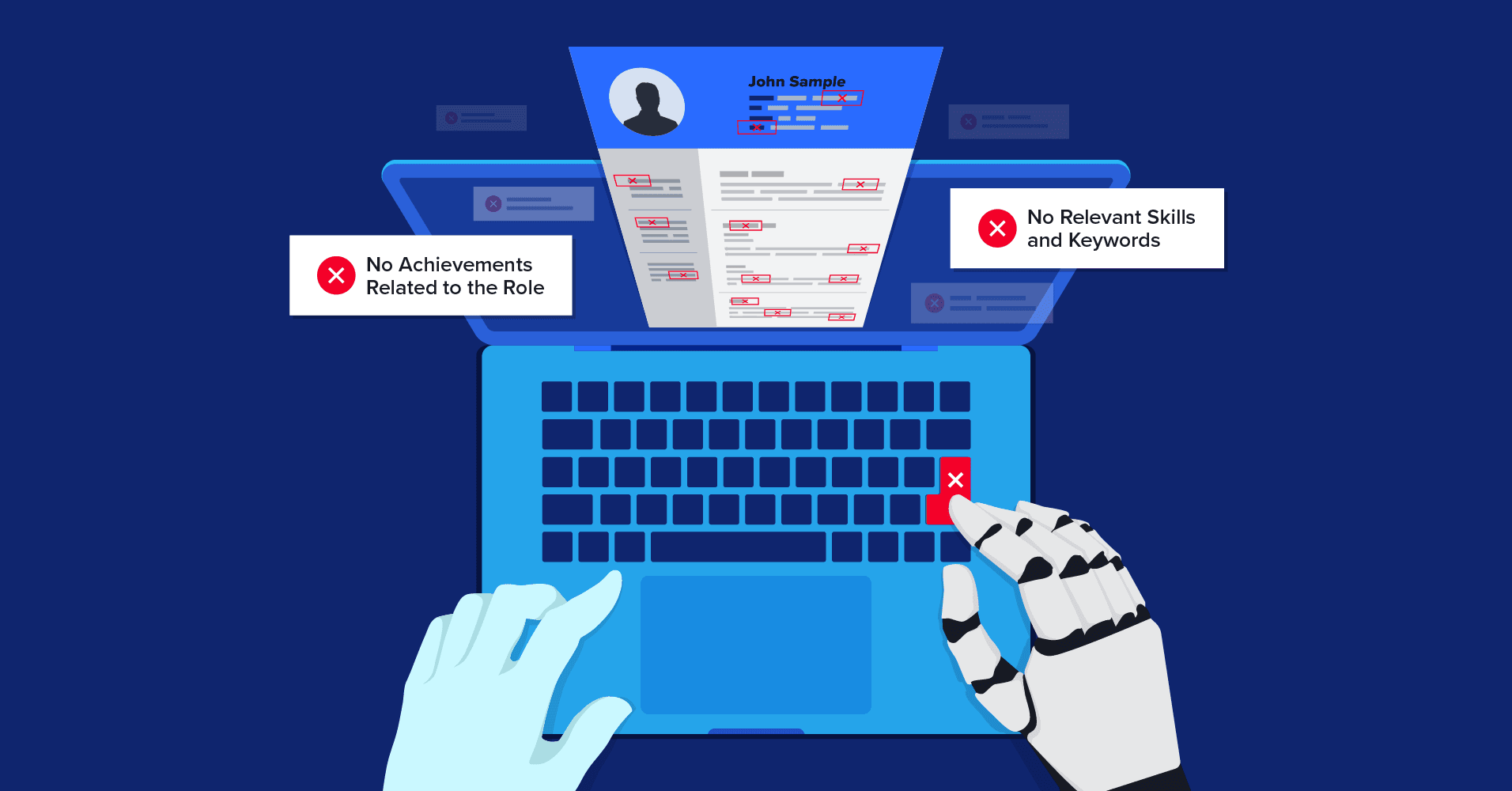
Even highly qualified tech candidates often don’t hear back from hiring teams. When a CV is submitted multiple times for a number of different roles and there is no response from recruiters, chances are that the issue lies with the CV—not the candidate. One of the most common reasons tech CVs fail to lead to interviews is misalignment with the target job description.
What Is Target Role Misalignment in a Tech CV?
Target role misalignment is what happens when a CV’s content fails to reflect the industry-specific language or technical expectations present in the job description. This occurs when a CV isn’t optimised for applicant tracking systems (ATS) or artificial intelligence (AI) screening tools. This lack of alignment is one of the primary reasons qualified candidates get overlooked.
Applying for jobs is a time-consuming process. For anyone actively seeking a role in today's tech job market, the increasing use of ATS, AI-based CV screening, and the need to tailor content to highly specific job criteria have added new layers of complexity, but it is nevertheless important to consider these realities in order to craft an effective CV that opens doors.
After all, a CV is the first impression a recruiter or hiring manager gets of any candidate. If it doesn’t highlight the necessary skills and experience in a way that obviously aligns with the role, there’s a good chance it will be overlooked. Following basic tips for CV alignment is one of the best CV advice pieces career experts emphasise.

According to LinkedIn’s Future of Recruiting 2025 report, 73% of talent acquisition professionals say AI is changing how companies hire, and 37% of organisations are already integrating or testing AI tools to help streamline CV screening and decision-making. This makes CV alignment with the target job description—and with AI expectations—more important than ever.
How Tech Recruiters Identify Role Misalignment in a CV
Think of the initial CV review process as a fundamental maths problem. First, recruiters check the number of relevant skills and experience in the document. If the role has eight specific criteria that the candidate must meet to be considered for the next step in the process, but the CV only meets three, the candidate won’t be advanced to the next step.
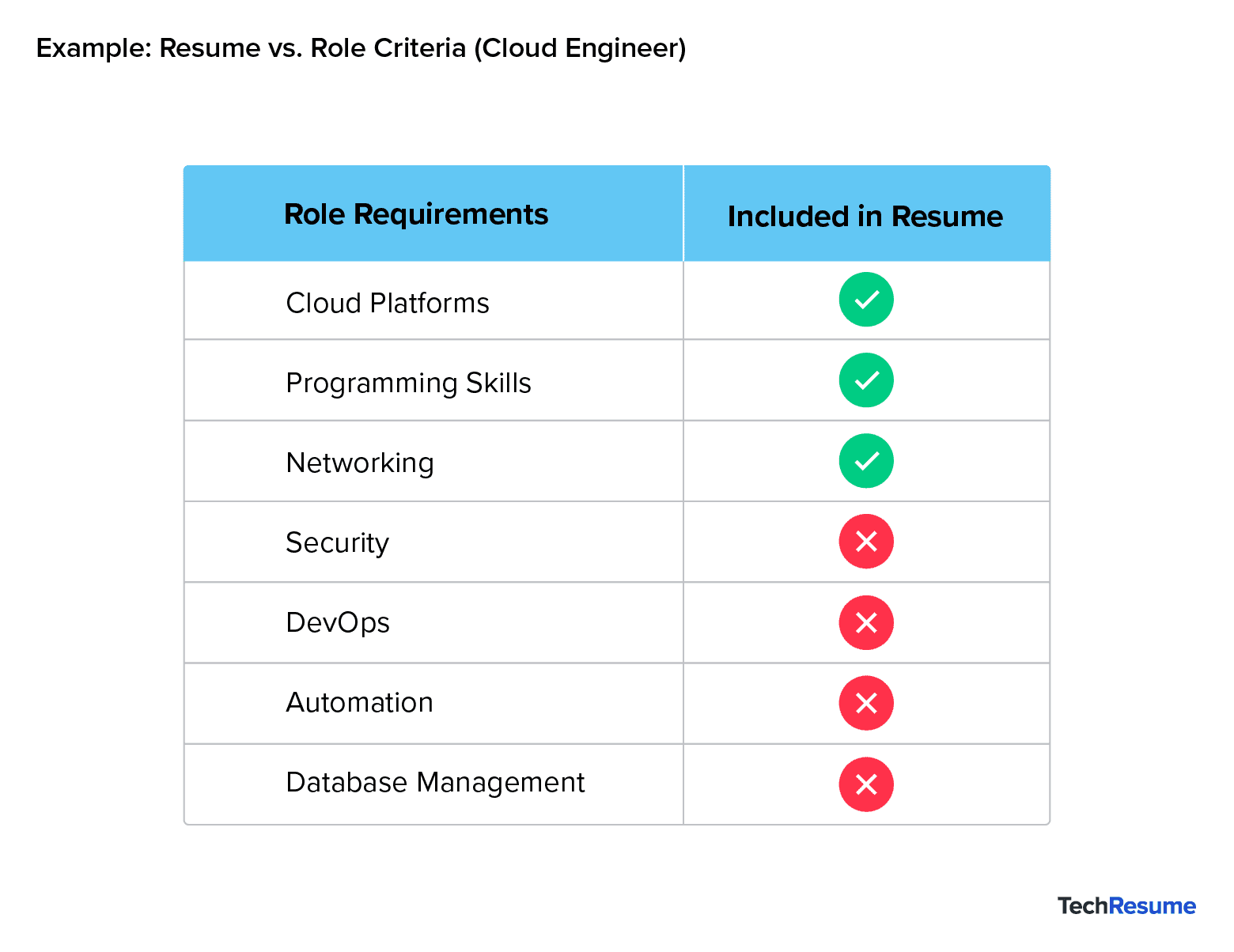
Consider the following example: A cloud engineer role requires expertise in cloud platforms, programming skills, networking, security, DevOps, automation, and database management. If a candidate submits a CV with only the first three skills listed, the hiring manager or recruiter will likely conclude that the CV is misaligned with the role’s requirements and will reject the application.
“When I scan CVs, I’m looking for alignment within seconds. If the right title, skills, or keywords don’t jump out, I move on quickly. Candidates often underestimate how precise their CV needs to be.”
— Marisa Goldberg, Senior Director of Recruiting at Toptal
The next step in the CV review process involves a content quality review. Vague generalities such as “Led team to successful project completion,” for example, lack important details that explain what the applicant did in their role (tactics), how they did it (logistics), what defined success (KPIs and results), and the impact on the company (return on investment). Generally, the value of someone’s experience is more important than the volume.
According to Harvard’s career experts, effective CV language should be specific rather than general, active rather than passive, and fact-based. Strong CVs are built for quick scanning and rely on measurable results to demonstrate real impact.
After a content quality review, recruiters examine job experience in detail, including career progression and the duration of each role. Like any maths problem, the order in which information is presented affects the result. Candidates should tailor their CVs to highlight their growth, achievements, and career development in a logical progression over time. If you’re looking for help writing a CV that stands out, following CV writing advice from career services can make a measurable difference.
Why ATS and AI Tools Reject Misaligned Tech CVs
In today’s tech job market, AI and applicant tracking systems (ATS) are often the first reviewers of a CV. These tools scan for relevance by matching CV content against a specific job’s title, description, and keywords.
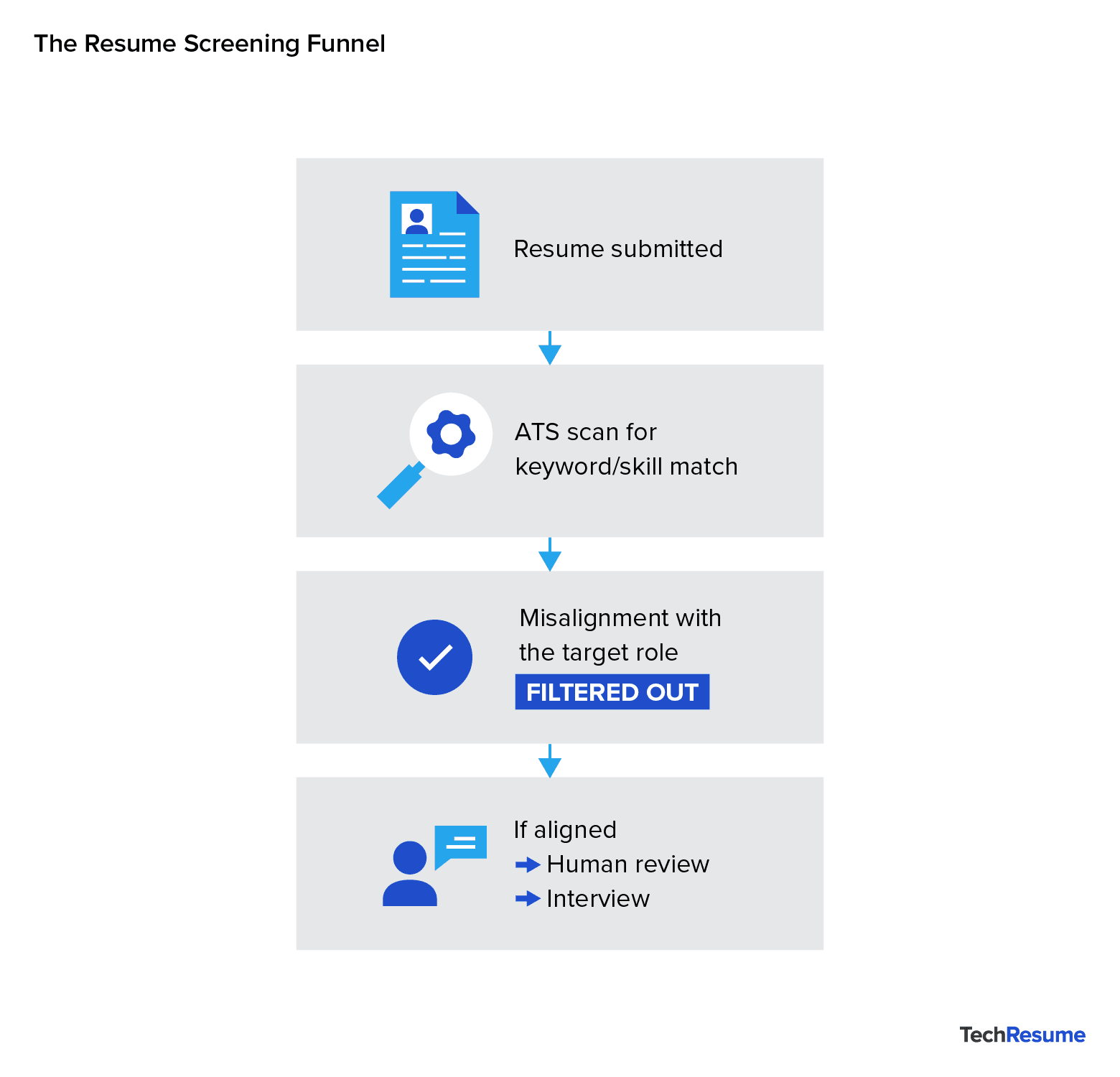
A Harvard Business School study revealed that 88% of employers use automated applicant tracking systems (ATS) that reject qualified candidates simply because their CVs lack the right keywords. These systems don’t interpret context—they look for precise matches. If your CV doesn’t reflect the exact skills, tools, and language mentioned in the job posting, it may be filtered out before a human ever sees it.
Some job applications allow candidates to opt out of having their CV reviewed by tools initially, and instead have a recruiter review it manually. However, this doesn’t improve the chances of the CV being accepted. Most recruiters manage dozens of open roles simultaneously and are inundated with hundreds of CVs for each role.
Due to these bandwidth issues, they will scan the CV quickly, and if they don’t immediately see the target titles and terms they are looking for, they will pass it over. Additionally, with many companies utilising ATS tools, opting out of an ATS or AI CV review can put you at a disadvantage and mean your CV will be passed over. Whether it’s AI, ATS, or a recruiter, the outcome is the same: if your CV doesn’t align with the role you’re targeting, it won’t move forward.
The Most Common Tech Role Misalignment Error—and How to Avoid It
Role misalignment most often happens when candidates reuse the same CV when applying to different roles. Failing to tailor the terminology, keywords, and listed skills to the specific job description can result in a CV that highlights irrelevant experience or tools, making it appear misaligned with the role.
Misplaced or unclear titles and missing industry context can also contribute to misalignment. Additionally, applying to multiple types of roles without customising the CV for each can signal to recruiters that a candidate lacks focus or direction in their career and that they are not a good fit for a particular role.
To avoid this, create a custom version of your CV for each tech job you apply to. Use the exact job title from the posting, prioritise the tools and platforms mentioned, and integrate keywords that reflect the role’s core requirements. While this takes more time upfront, it significantly increases your chances of landing interviews—and ultimately, the desired target role.
Pro Tip: If you’re struggling with alignment, some of the most effective tips for creating a CV are to mirror the job description language, simplifying your format, and focusing on measurable results.
A Guide to Tailoring Tech CV Content for Each Job
To customise CV content and ensure your CV keywords hit the mark, keep the following points in mind:
List Only Relevant Experience, Skills, Tools, and Titles
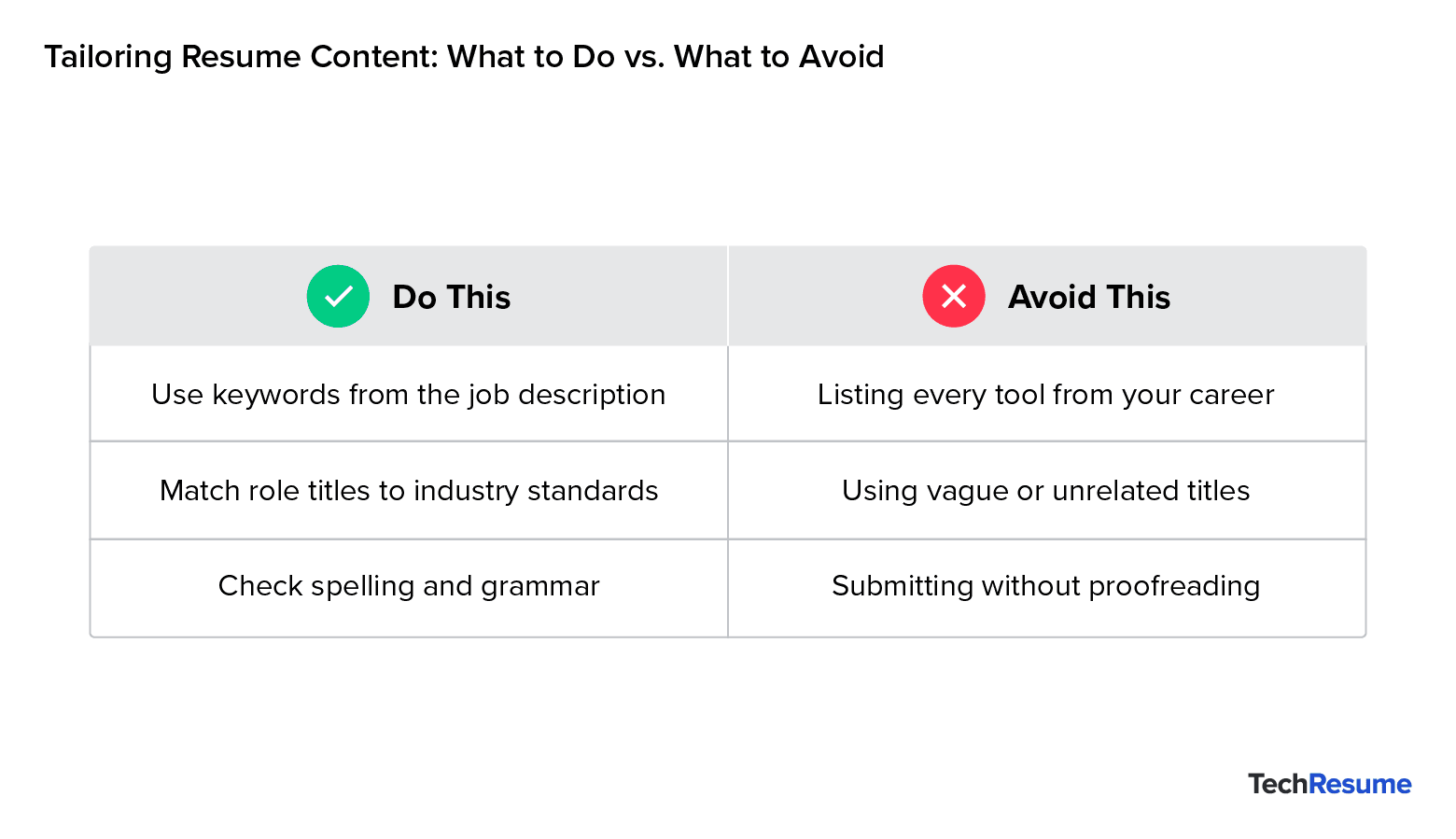
When tailoring tech CV content for a specific job application, include only the skills, experience, and tools that are relevant to the position. This is an opportunity to demonstrate the ability to manage projects effectively within the role, utilising the company's tools. Listing experience with irrelevant or alternative tools could make a recruiter doubt a candidate’s ability to adapt to a different way of working. Specificity is crucial for aligning work experience and skills precisely with the company’s needs.
“Listing every tool you’ve ever used makes it harder—not easier—for recruiters to assess fit. Focus beats breadth when you’re targeting a specific role.”
— Marisa Goldberg, Senior Director of Recruiting at Toptal
Pro Tip: Listing every skill, tool, or experience from your tech career history works against you. It makes you appear too generic, with too broad a skill set, and potentially lacking in depth. The best tips for making a CV emphasise focus, relevance, and clarity over quantity.
Use Clear Industry-related Terms
As noted by Gartner, it is imperative for you to add the exact phrases and keywords from the job description into your CV. Doing so improves both ATS compatibility and recruiter clarity.
Avoid vague or overly broad language when describing roles and skills. For example, instead of using a generic term like “technical specialist,” use a more specific and widely recognised one such as “DevOps engineer” or “site reliability engineer” if that better reflects the actual responsibilities.
Similarly, use precise terms like “CI/CD pipelines,” “infrastructure as code,” or “container orchestration” rather than generalised language like “improved systems” or “handled deployments.” Using established industry terminology helps both recruiters and ATS tools quickly recognise your fit for the role.
Pro Tip: Use job descriptions as a guide to identify industry-standard terms and language. Swap out vague or internal company jargon with commonly recognised keywords that reflect the role you're targeting. This boosts both ATS compatibility and credibility with hiring managers.
Avoid Misspellings, Grammatical Errors, and Formatting Problems
When tailoring CV content, be sure to edit and refine it to ensure it is free of spelling errors and contains complete and accurate information. Even if the CV hits all the high notes the hiring manager is looking for, spelling errors or mistakes will land the CV in the proverbial trash bin.
Pro Tip: Invest in a tool like Grammarly to help catch text and spelling errors, saving you time on editing.
CV Alignment Checklist: How to Build the Most Effective Tech CV
Even a well-written tech CV will be overlooked if its content doesn't align with the requirements of the target role—whether reviewed by ATS or a human recruiter.
Before sending off your CV, run through this quick alignment checklist to ensure your application gets past ATS tools and impresses recruiters:
- Does your job title match the target role? Make sure it appears in your CV summary or headline.
- Have you included 25–30 keywords from the job description? Focus on job-specific skills, technologies, and industry terms.
- Did you prioritise the tools and platforms listed in the job description? Remove unrelated or outdated tools that aren’t relevant to the role.
- Are your job titles and terminology industry-standard? Replace internal company jargon with widely recognised terms.
- Have you removed vague or generic statements? Cite measurable outcomes, KPIs, and specifics wherever possible.
- Is your formatting clean and error-free? Check for typos, spacing issues, and consistency in headings.
Pro Tip: Give your CV a quick visual scan. Can you clearly see how your experience maps to the role? If not, refine it before you submit.

Introducing TechResume’s ATS Score Checker: A GPS for CV Alignment
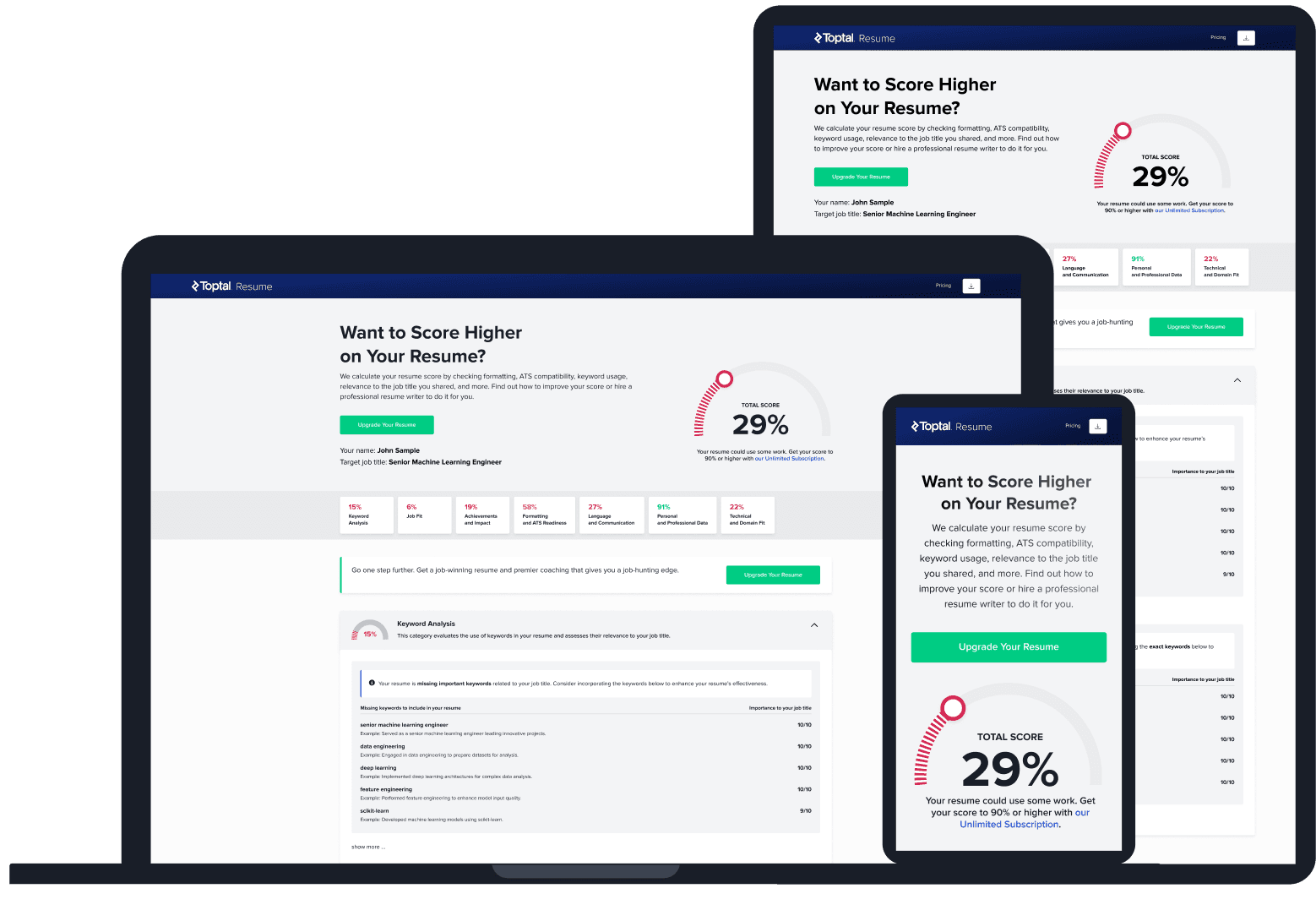
TechResume’s ATS score checker is an AI-powered tool that evaluates how well your CV aligns with your target role. It analyses key factors such as keyword relevance, job fit, technical expertise, impact-driven achievements, and ATS readiness—pinpointing the gaps that could be costing you interviews.
Just like a marketing pitch must meet a buyer’s needs, your CV must match what recruiters and hiring managers are looking for. The ATS score checker reveals exactly where your CV needs improvement to align with those expectations.
The result? A targeted, data-driven CV optimised for both automated screeners and human decision-makers—bringing you one step closer to your next career opportunity.
FAQs: Why Most Tech CVs Fail (Target Role Misalignment)
ATS CV Score Checker
for Professional Roles
Upload your CV and tell us your target job title. Our system will analyse it the way a recruiter and ATS would—scoring it across core hiring dimensions and giving you personalised, role-specific feedback you can implement right away.
Read Next
Tools & Services
CV Checker vs. ATS Score Checker: What’s the Difference?
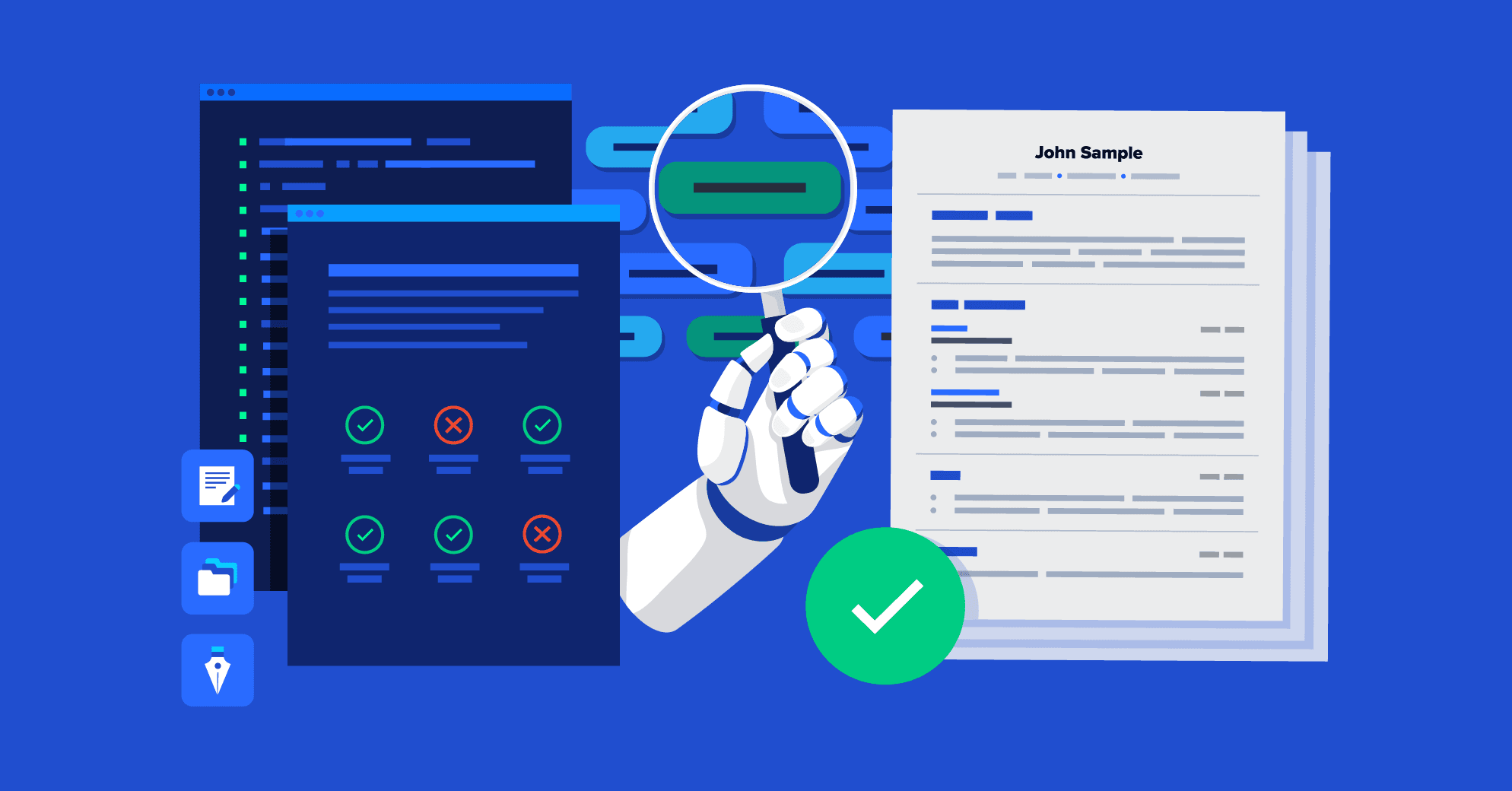
Not all CV tools are built for the same purpose. Understanding the difference between a CV checker and an ATS score checker can help ensure your tech CV passes the filters and reaches the right recruiters.

By Audrey Goodson Kingo
Career Expert
Audrey Goodson Kingo is a book author and a renowned journalist covering careers and HR. She has advised insurance giant Aon on work-life balance and shared her expertise with CNN, Good Morning America, MSN, and more.

Job Market Trends
How Understanding Applicant Tracking Systems (ATS) Can Land You a Top Tech Job
Applicant Tracking Systems (ATS) are now used by nearly all Fortune 500 companies to handle the surge in job applications. For tech professionals, understanding how these systems parse applications can mean the difference between being filtered out and moving forward in the hiring process.

By Amanda Menin
HR & Career Strategy Expert
Amanda Menin is a Talent and Organisational Strategy expert specialising in hiring practices, CV optimisation, and applicant tracking systems (ATS). With more than 20 years of experience across technology, healthcare, and consulting, she offers practical insight into how employers evaluate candidates. She holds a master’s in industrial and organisational psychology and is a SHRM Senior Certified Professional (SCP).

Interview Prep
From ATS to Interview: Ensuring Your Tech CV Passes Automated Tech Screening
Most tech CVs are screened out before a recruiter ever sees them. Discover how to optimise yours with the right CV formatting techniques to pass the applicant tracking system (ATS) filters and get noticed.
By Audrey Goodson Kingo
Career Expert
Audrey Goodson Kingo is a book author and a renowned journalist covering careers and HR. She has advised insurance giant Aon on work-life balance and shared her expertise with CNN, Good Morning America, MSN, and more.