CV Checker vs. ATS Score Checker: What’s the Difference?
Not all CV tools are built for the same purpose. Understanding the difference between a CV checker and an ATS score checker can help ensure your tech CV passes the filters and reaches the right recruiters.
Last updated
AUTHOR
Audrey Goodson Kingo
Career Expert
Audrey Goodson Kingo is a book author and a renowned journalist covering careers and HR. She has advised insurance giant Aon on work-life balance and shared her expertise with CNN, Good Morning America, MSN, and more.
Tech job seekers today have access to numerous tools and services to help perfect their CVs. But with so many options—and with terms like ‘CV checker’ and ‘ATS score checker’ often used interchangeably—it can be difficult to know which tool you actually need. While both evaluate CVs, they serve distinct purposes.
Understanding the difference is key to creating a compelling CV. A CV checker will ensure you impress the hiring manager who reads your CV, but Applicant Tracking System (ATS) score checkers are essential for getting past filters so your CV actually reaches that hiring manager. The expert advice below will help you determine the difference and select the services you need to refine your CV and land a top tech interview.
Applicant Tracking System (ATS): Definition and How It Works
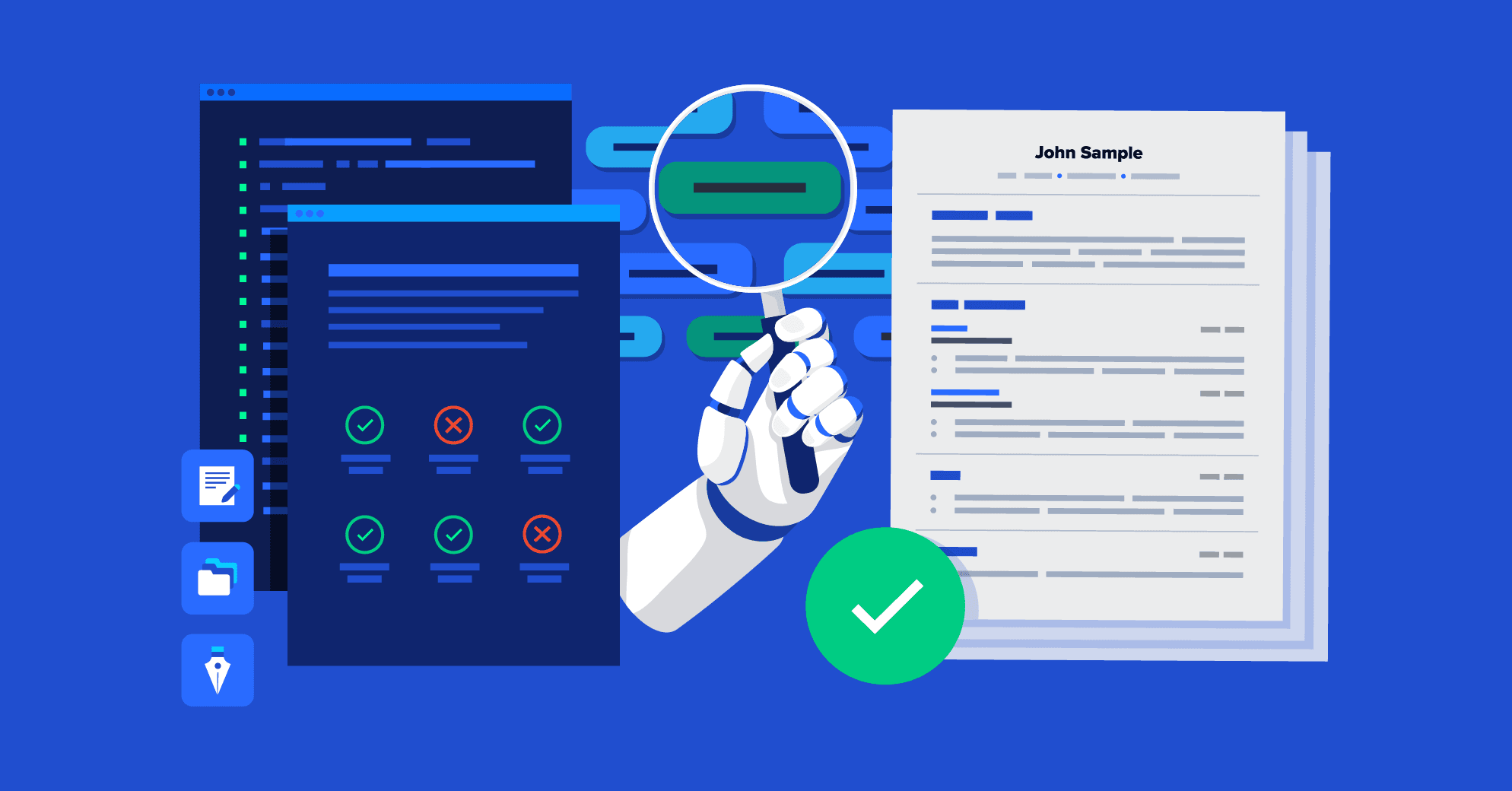
An is software that employers use to manage the recruiting process. Instead of reading every application by hand, recruiters rely on these systems to scan CVs for keywords, skills, and qualifications, and then automatically rank or filter candidates. This helps companies handle large volumes of applications more efficiently, but it can also mean that strong candidates get overlooked if their CVs aren’t formatted correctly or don’t include the right terms.
FAQs: CV Checker vs. ATS Score Checker (What’s the Difference?)
ATS CV Score Checker for Professional Roles
Upload your CV and tell us your target job title. Our system will analyse it the way a recruiter and ATS would—scoring it across core hiring dimensions and giving you personalised, role-specific feedback you can implement right away.
Upload Your CV
Please note: Your CV must be a PDF or DOCX file in English.
How Understanding Applicant Tracking Systems (ATS) Can Land You a Top Tech Job
Applicant Tracking Systems (ATS) are now used by nearly all Fortune 500 companies to handle the surge in job applications. For tech professionals, understanding how these systems parse applications can mean the difference between being filtered out and moving forward in the hiring process.
Amanda Menin is a Talent and Organisational Strategy expert specialising in hiring practices, CV optimisation, and applicant tracking systems (ATS). With more than 20 years of experience across technology, healthcare, and consulting, she offers practical insight into how employers evaluate candidates. She holds a master’s in industrial and organisational psychology and is a SHRM Senior Certified Professional (SCP).
Interview Prep
From ATS to Interview: Ensuring Your Tech CV Passes Automated Tech Screening
Most tech CVs are screened out before a recruiter ever sees them. Discover how to optimise yours with the right CV formatting techniques to pass the applicant tracking system (ATS) filters and get noticed.
Audrey Goodson Kingo is a book author and a renowned journalist covering careers and HR. She has advised insurance giant Aon on work-life balance and shared her expertise with CNN, Good Morning America, MSN, and more.
CV Tips
How to Write a Tech CV for Software Engineering Roles
If you’re a software engineer looking to land tech interviews, a clear, focused CV is essential. Learn how to write a software engineer CV that highlights your tech skills, demonstrates impact, and passes ATS screening.
Audrey Goodson Kingo is a book author and a renowned journalist covering careers and HR. She has advised insurance giant Aon on work-life balance and shared her expertise with CNN, Good Morning America, MSN, and more.
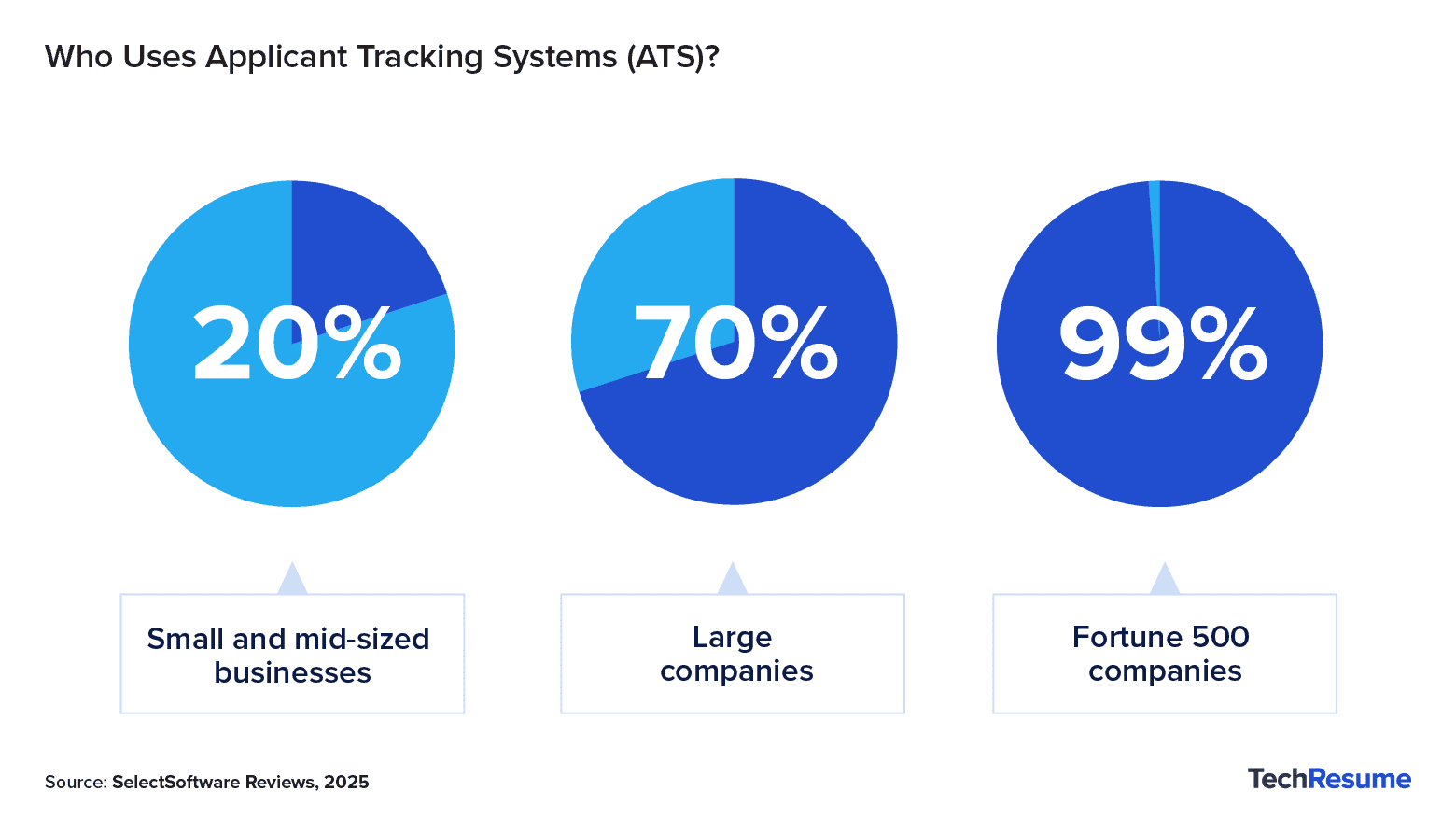
ATS platforms are now standard in hiring. Nearly 99% of Fortune 500 companies, 70% of large companies, and about 20% of small and mid-sized businesses use some form of ATS to screen CVs before a human recruiter ever sees them. For tech job seekers, that means your CV often has to “pass the machine test” before it reaches a recruiter’s desk.
How Do CV Checkers and ATS Score Checkers Relate to ATS?
Now that you know what an ATS does, it’s easier to see why CV checkers and ATS score checkers exist. Recruiters today face a surge in applications, especially in the tech sector, and companies rely on ATS software to streamline the hiring process. According to the World Economic Forum’s Future of Jobs Report 2025, technology-related roles are among the fastest-growing in percentage terms, including big data specialists, fintech engineers, AI and machine learning specialists, and software and application developers.
However, the rise of automation also presents challenges. Studies show that AI-driven hiring tools, including ATS, can unintentionally amplify biases and sometimes reject qualified candidates. This is why it’s crucial for tech job seekers to understand how these tools can help them optimise their CVs for ATS.
Both tools address different challenges in the tech hiring process: the recruiter’s need for a clean, easy-to-read tech CV and the ATS’s requirement for keyword alignment and machine readability. Hiring managers typically give the first 15–20 words of a CV the most attention, so clarity is always crucial if you want to stand out. Together, these tools help your application get seen and be taken seriously.
What Is a CV Checker?
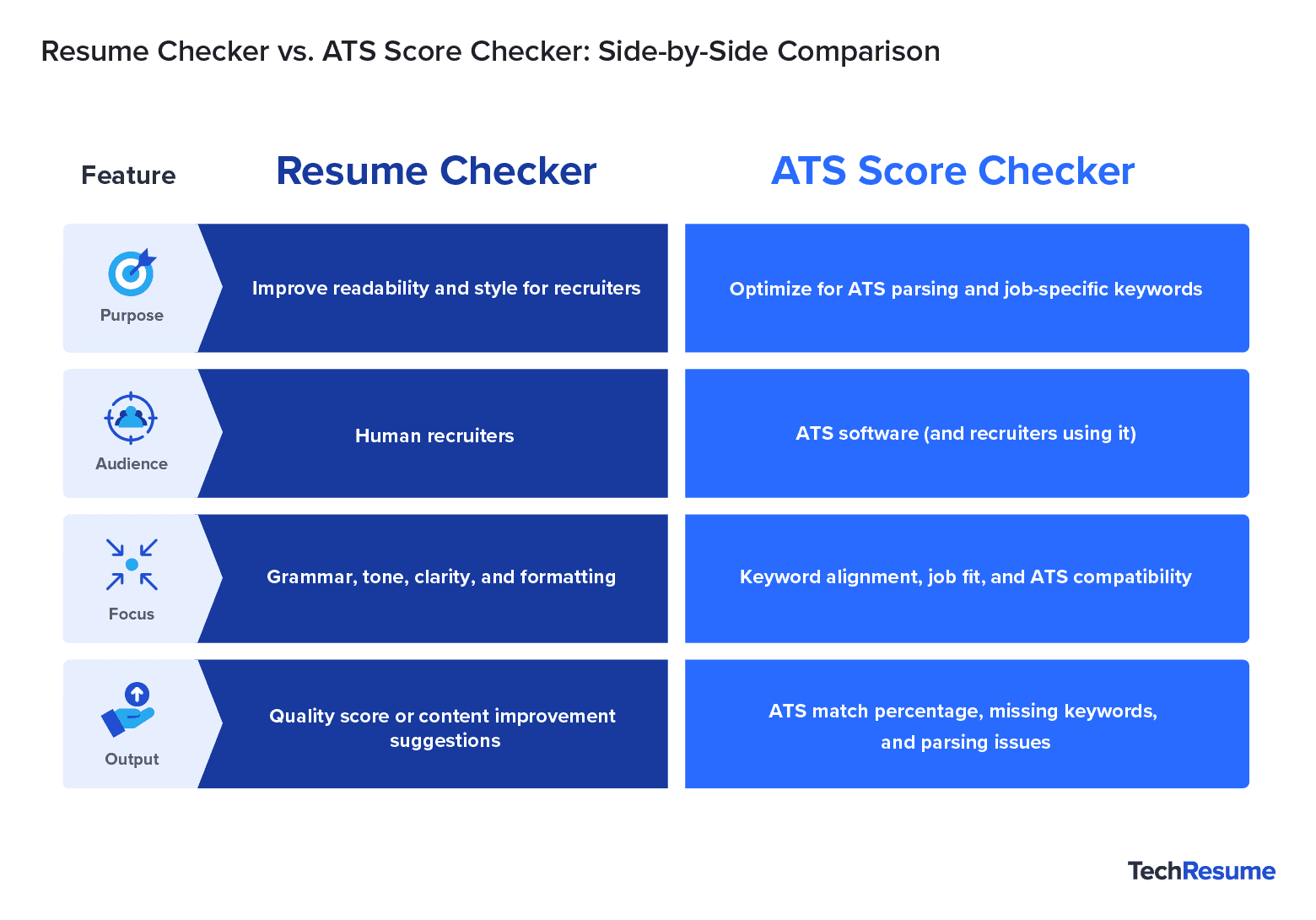
While ATS focuses on software filtering, a CV checker is a tool that reviews grammar, readability, formatting, and the overall presentation of a CV to capture the attention of busy hiring managers. Its main focus is on human readability—making the CV persuasive for recruiters. The typical outputs of a CV checker include grammar corrections, formatting suggestions, and readability scores, which ensure your content is clear, quickly digestible, and jargon-free.
What Is an ATS Score Checker?
If CV checkers polish your document for recruiters, ATS score checkers make sure it passes the software filters first. These tools simulate how an ATS works, often powered by AI, scanning CVs for keywords, skills, and qualifications to make sure candidates are a match for the job.
The focus of an ATS checker is machine readability—ensuring CVs pass ATS parsing and keyword filters. The typical outputs include keyword alignment, job fit score, and formatting compliance.
A CV checker is designed to help improve readability and style for human recruiters. It focuses on grammar, tone, clarity, and formatting, and typically provides a CV score or suggestions to polish the document.
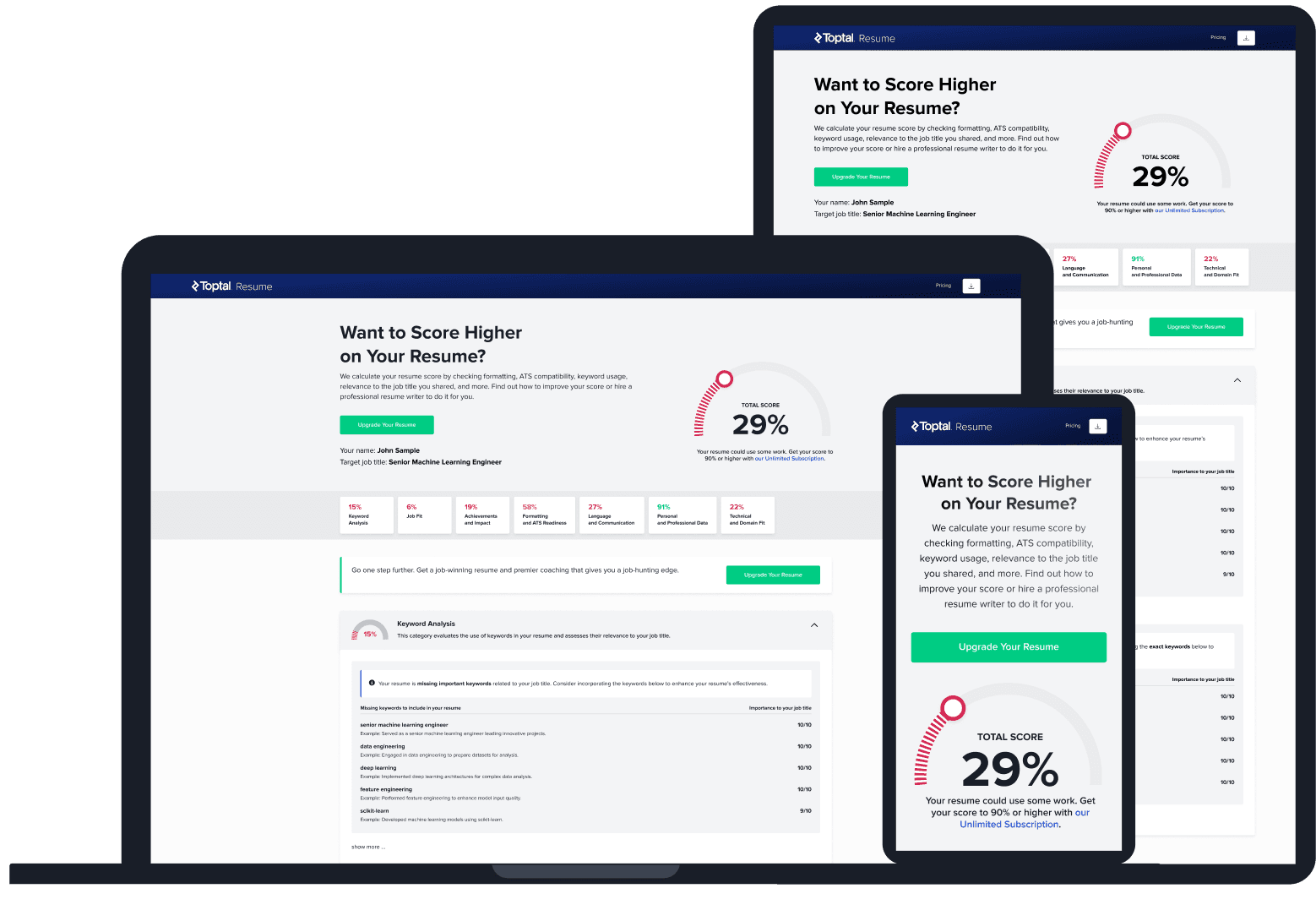
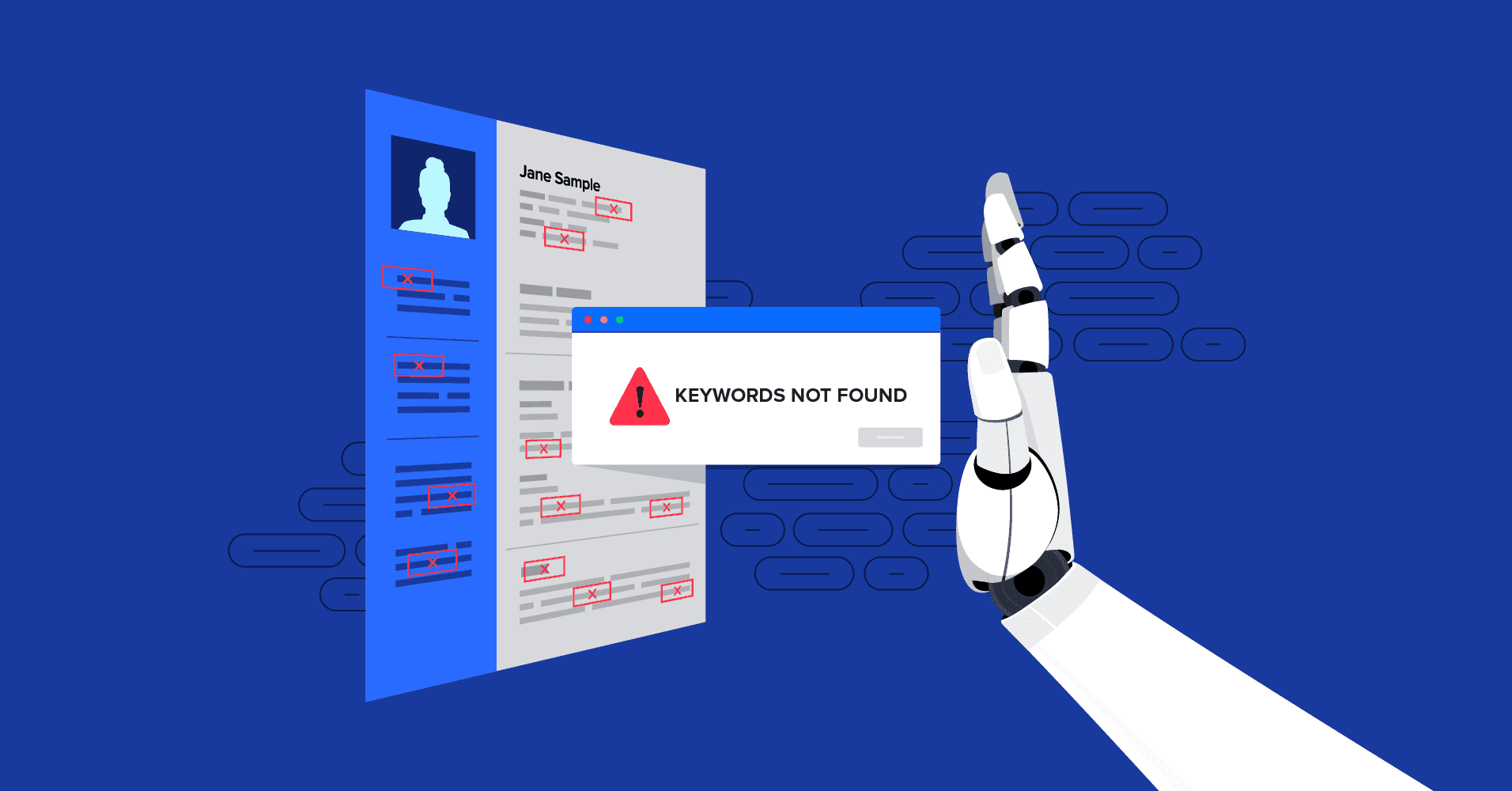
An ATS score checker, on the other hand, is designed to optimise CVs to pass ATS. It checks keyword alignment, job fit, and ATS compatibility. Most ATS score checkers provide an ATS match percentage, highlighting missing keywords and flagging parsing issues that tend to occur when ATS software fails to extract and interpret information from a CV, typically due to poor formatting, unconventional layouts, including image-based files, poor document quality, or incompatible file types.
“A polished CV is important, but polish alone isn’t enough. Recruiters need CVs that read well, and ATS filters look for correct formatting. That’s why we advise candidates to use both tools—but never skip the ATS check, since that’s what determines if a recruiter will even see your CV.”
— Marisa Goldberg, Senior Director of Recruiting at Toptal
When Should You Use Each Tool?
Once you understand the difference between the two tools, it’s time to determine which one you need.
When Should You Use a CV Checker?
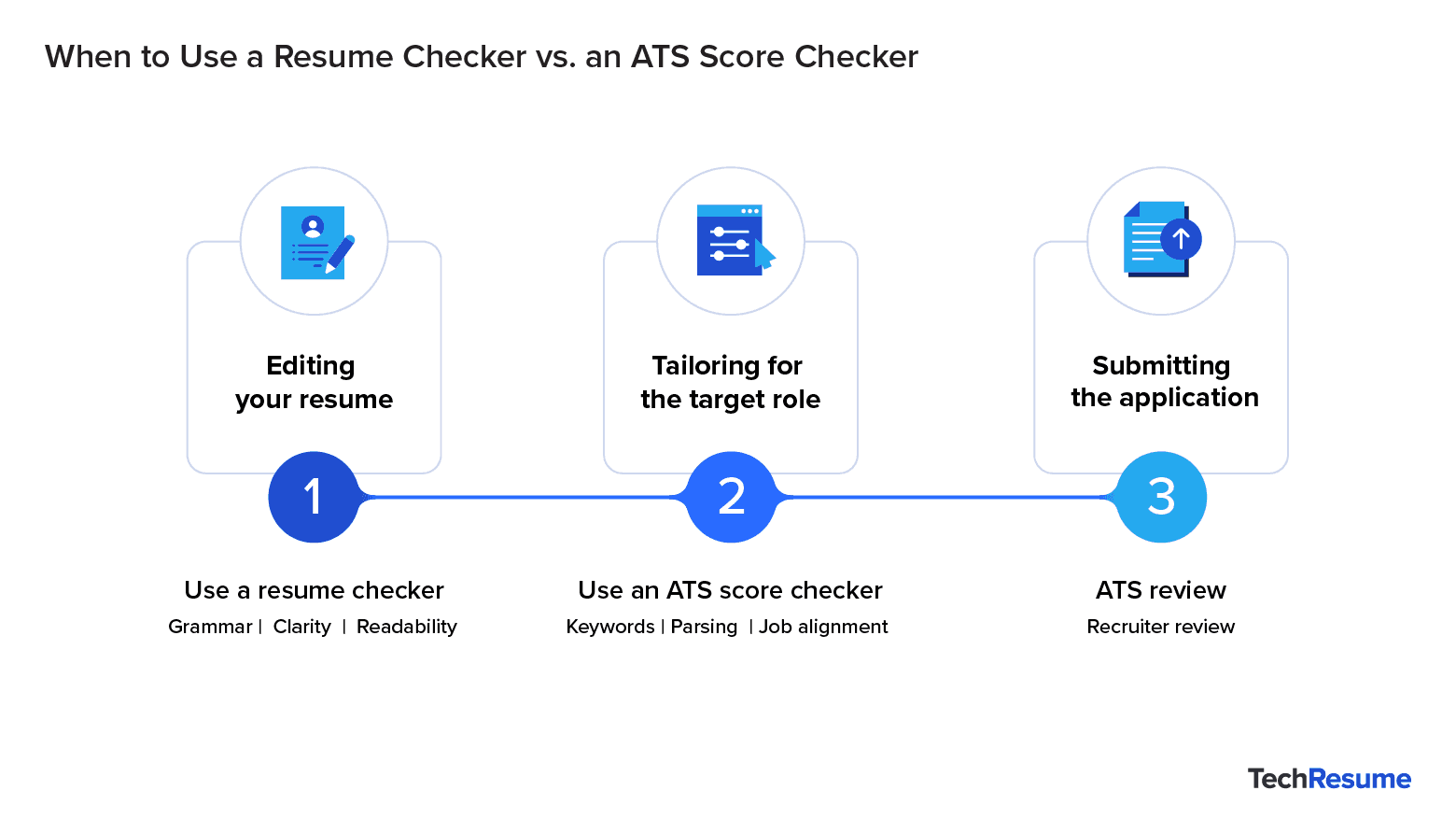
Use a CV checker when editing your CV to ensure clarity, proper formatting, a professional tone, and correct grammar. These tools are especially helpful early in the process, giving you a polished foundation before you start tailoring your CV to specific roles.
When Should You Use an ATS Score Checker?
Opt for an ATS score checker when you are tailoring your CV to a specific job description and need to confirm that role-specific keywords are correctly identified by the system. These tools test whether an ATS can accurately parse your CV, checking for both keyword recognition and formatting compatibility. They are particularly valuable right before submitting an application, since they reveal whether your CV is likely to pass the software screen and flag areas where parsing errors or formatting issues could cause problems.
Why an ATS Score Checker Matters Most
Having a polished CV is important, but polish alone won’t get your application past the first filter. Most CVs are filtered by an ATS before a recruiter ever reads them, and a CV checker by itself won’t guarantee you make it through that step. This is why using an ATS score checker is more critical than a standard CV checker.
It ensures your CV clears that first (and often hardest) hurdle. Job seekers should prioritise ATS-readiness and make sure any CV tool they use includes an ATS checker. Better yet, look for ATS CV checker services that will also give actionable feedback for readability, so you get the best of both worlds.
“Even the strongest-looking CV won’t get you anywhere if it’s filtered out by ATS software. An ATS score checker is critical because it ensures your application gets through the initial screening stage and actually reaches a human recruiter.”
— Marisa Goldberg, Senior Director of Recruiting at Toptal
Common Misconceptions About CV Checkers and ATS Score Checkers
With so many types of CV services available now—especially as AI makes it easier than ever to craft a CV—it’s important to separate myth from fact when it comes to using a CV score checker. Some of the most common misconceptions include:
Misconception #1: One tool does it all
This simply isn’t true. While some services, including Toptal Resume’s ATS checker, might offer both ATS and CV checking, each tool serves a unique purpose. Check the fine print of any service you plan to use.
Misconception #2: ATS checkers are just keyword counters
There’s no doubt it’s necessary to include relevant keywords on your CV, but good ATS checkers will also identify formatting issues, suggest content optimisations, provide compatibility feedback, and improve your CV’s overall impact.
Misconception #3: Once it passes ATS, recruiters will love it
Even if your CV has made it through that first and hardest hurdle, it still needs to impress the hiring manager or recruiter who sees it next. Human readability matters.
Final Checklist for Tech Job Seekers
Once you’ve drafted a CV and are ready to hit send, do a final check before submitting your job application:
Optimise for ATS by aligning your tech CV with the target job role using an ATS score checker.
Avoid keyword stuffing, vague phrasing, or complex designs.
Tailor your CV’s content to highlight the achievements and skills most relevant to the role.
Perfect Your CV With Toptal CV’s ATS Score Checker
Crafting an effective CV is an essential first step in any job search, especially in today’s tough tech market, but it’s no longer enough to make sure the document will impress human readers.
CV checkers are a powerful tool for adding polish, but ATS score checkers are the real key to getting noticed in modern recruitment, since they ensure your CV will pass ATS screening with ease. Services like Toptal Resume combine ATS-readiness with actionable readability feedback, so candidates don’t have to choose between the two. Run your CV through Toptal Resume’s ATS CV checker to make it recruiter- and ATS-ready—and move your application to the top of the pile.