
No Office, No Problem: 15 Steps to Onboard New Developers Remotely
When it comes to onboarding new developers remotely, there’s no magical strategy you can put in place. A set of best practices, however, will help your new hire feel included, align with your company culture, and get up to speed with how work is performed.

When it comes to onboarding new developers remotely, there’s no magical strategy you can put in place. A set of best practices, however, will help your new hire feel included, align with your company culture, and get up to speed with how work is performed.

Tosho Trajanov
Tosho is a co-founder at Adeva, with over a decade of experience in the tech industry. He has partnered with diverse organizations, from nimble startups to Fortune 500 companies, to drive technological advancements and champion the effectiveness of cross-cultural, distributed teams.
When it comes to onboarding new developers remotely, there’s no magical strategy you can put in place. A set of best practices, however, will help your new hire feel included, align with your company culture, and get up to speed with how work is performed.
A young developer once posted a question in the Computer Science Career Questions subreddit. He intriguingly wrote, “Accidentally destroyed the production database on the first day of a job, and was told to leave. On top of this, I was told by the CTO that they need to get legal involved. How screwed am I?”
Right after the story went viral, the tech news site The Register ran a poll asking who should be fired. A whopping 45% voted to fire the CTO.
The Reddit commenters were right: if a new employee can cause such chaos in your company, it’s your fault, not his.
To be more precise, the fault is in your employee onboarding process.
Studies show that organizations with a strong onboarding process improve new hire retention by 82% and productivity by over 70%.
When it comes to onboarding remote employees, the lack of in-person communication can make things even more challenging.
However, with the right best practices in place, you’ll equip new developers with the knowledge and confidence they need to get started as new team members.
The following guide provides step-by-step instructions for running a software developer onboarding process remotely.
Table Of Contents
Pre-onboarding Checklist
1. Welcome the New Developer on Zoom
The first step in an effective software engineer onboarding process is to welcome the new hire to the team via an e-conferencing platform like Meet or Zoom.
They may be anxious about their first day of work, and a Zoom call can be an excellent place for you to address their concerns.
During the call, inform the new hire of:
- Their tasks for the first few weeks at work.
- Normal working hours.
- Their team members and structure.
- Coding standards.
- Expectations.
- The communication and collaboration tools that are used.
Be sure to share any developer onboarding documentation with them and ensure they understand it fully.
2. Help the Developer Learn About the Company Culture
Company culture is the “personality” of your company, so make sure you include it in your developer onboarding plan by defining shared values, goals, attitudes, and practices. It will acquaint the new developer with your culture, helping them perform well and thrive within the organization.
To help them understand your company culture, share:
- Your digital employee handbook.
- The company’s values, mission, and vision.
- Videos from your all-hands meetings.
It may also help if new developers attend a one-on-one meeting with a member of your company’s leadership. Your CEO, for example, can talk about the company’s history, its long-term goals, its leading product or service, etc.
3. Help Them With the HR Paperwork
Many developers want to start coding right away and wouldn’t want to spend their first day signing HR documents. One way to get HR paperwork out of the way is to send it to the new hire for signature before the start date.
The new hire can sign employment contracts and other legal documents digitally using e-signature tools like Dropbox Sign and DocuSign.
4. Pre-plan First Day Logistics
If you are sending a new hire a computer or other equipment for their at-home workstation, plan ahead. Order the equipment before the developer’s start date to ensure it arrives on time.
5. Give Access to Your Tools and Software
You don’t want the new developer to start their first day confused about how to enter the work systems. Have login details and invitations to access the company’s project management systems, email, chat apps, learning management systems, etc., in their inboxes on their first day.
6. Send Them a Welcome Package
Another optional item on your onboarding checklist is to send a welcome package. A welcome package can make the new developer feel like a part of the team.
Send the package before the new hire’s first day of work and include:
- A welcome letter from the team or the CEO.
- Branded merchandise, such as T-shirts, coffee mugs, note pads, hats, etc.
- Personalized gifts like headphones, gift cards, books, etc.
First-day Checklist
7. Share a New Hire Announcement
When you hire a software developer, make them feel welcome and excited by sending a new hire announcement.
A simple Slack message will give every team member the chance to say hello and welcome the new hire.
For example, you can say something like:
Let’s wish a warm welcome to [name of employee]. She will be joining our company as a Shopify developer. Welcome [name of employee]!
Introducing them to everyone can be a great way for remote members to get to know the team and break the ice.
8. Start by Giving Them Small, Non-critical Tasks
Make sure the first task you assign to the new developer is easy. For example, their task can be to develop a small, well-defined feature.
If they do it right, the achievement will build their confidence and make them more motivated at the job.
On the plus side, they’ll experience the development process at your company, from code review to production deployment phases.
9. Set Up Knowledge Sharing
To provide team members with the information they need to do their jobs effectively, establish a knowledge-sharing process. One great way is to build a wiki that covers everything a new employee needs to know when joining the team.
From tool guides and contact lists to software tutorials and common bugs, document everything that requires step-by-step instructions to replace long employee orientation meetings.
First-week Checklist
10. Arrange Weekly 1-on-1 Meetings
The new developer’s onboarding process doesn’t end after a few weeks. There are still some things to work out, like building trust and confidence. Trust is a critical ingredient that has to exist from day one. When you’re remote and don’t have the chance to connect in person, one way to build trust is to arrange weekly one-on-one meetings between you and the new hire.
Use the time you have in these meetings to share feedback, discuss difficulties, celebrate milestones, and more.
11. Arrange Daily Check-in Meetings With the Tech Team
Daily check-in meetings should be another item on your developer onboarding checklist. You can sync up on what’s done, what’s happening that day, and the state of the projects the team is working on. The new developer will stay up-to-date on everything important happening and feel more connected with other team members.
12. Assign a Buddy
A smart move when onboarding a new developer is to pair them with a junior developer rather than a senior developer. Junior developers have recently completed onboarding and can provide better advice to new hires.
Another idea is assigning a mentor to the new hire who will be their go-to person for all work and culture-related matters for at least two months.
Instead of having the junior developer fix the new hire’s problems for them, consider introducing pair programming sessions. Pair programming is an amazing opportunity to share knowledge and collaborate on solving a problem.
First-month Checklist
13. Have Regular One-on-One Manager Meetings
Regular one-on-one meetings between you and the new developer are a great way to build trust, share feedback, and form a long-lasting relationship.
Don’t forget that the developer onboarding process is still running, and it’s important to keep the process moving with regular check-ins. Once per month, jump on a call to check whether they’re integrating well within the company or facing any difficulties.
14. Make Room for Some Fun
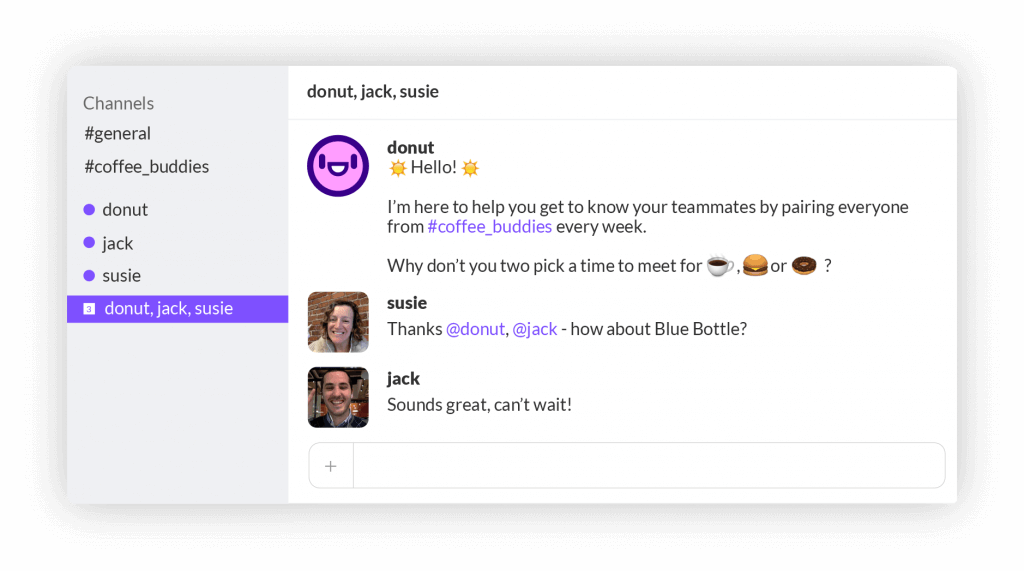
Include activities to keep things fun, like the Donut integration for Slack that randomly pairs people across the company. On a regular basis (bi-monthly), Donut will select people from our pairing channel and encourage them to schedule a video call or talk about something interesting in a private Slack channel.
Remote team-building activities help employees feel comfortable with one another and create space to share jokes and opinions.
15. Collect Feedback
Providing feedback for software developers is a critical part of every manager-employee relationship. At the same time, hearing what your software developer has to say about you is equally important.
Your remote developer onboarding process may be good, but to continually improve it, make sure you ask for feedback. Ask each developer whether they felt confused or frustrated at any point during the onboarding process, and add more support at those stages.
Conclusion
Take each new developer through these stages to equip them with the tools they need to do their jobs well and collect feedback to continually improve your onboarding process. Focus on human interaction and relationship-building to help your new hires feel included, respected, and supported as they grow and thrive.
FAQs
Q: What does it mean to onboard someone?
Employee onboarding involves integrating a new employee into your company, acclimating them to your culture, and equipping them with the tools they need to become a productive and engaged team member.
Q: How would you onboard a remote employee?
- Welcome the new employee on Zoom.
- Help the new hire learn about the company culture.
- Help them with the HR paperwork.
- Pre-plan first day logistics.
- Give access to your tools and software.
- Send them a welcome package.
- Share a new hire announcement.
- Start by giving them small, non-critical tasks.
- Set up knowledge sharing.
- Arrange weekly 1-on-1 meetings.
- Arrange daily check-in meetings with the tech team.
- Assign a buddy.
- Have regular one-on-one manager meetings.
- Make room for some fun.
- Collect feedback.
Q: How long does it take to onboard a developer?
How long it takes to onboard a developer depends on your company culture and the developer’s profile. If you’re hiring a junior developer with limited experience, the onboarding process can last for a few months. If you’re hiring a senior developer with extensive experience, the onboarding process can last just a few days.