
Vice President of Engineering: The Evolution of the Role, Key Responsibilities, and How to Become One
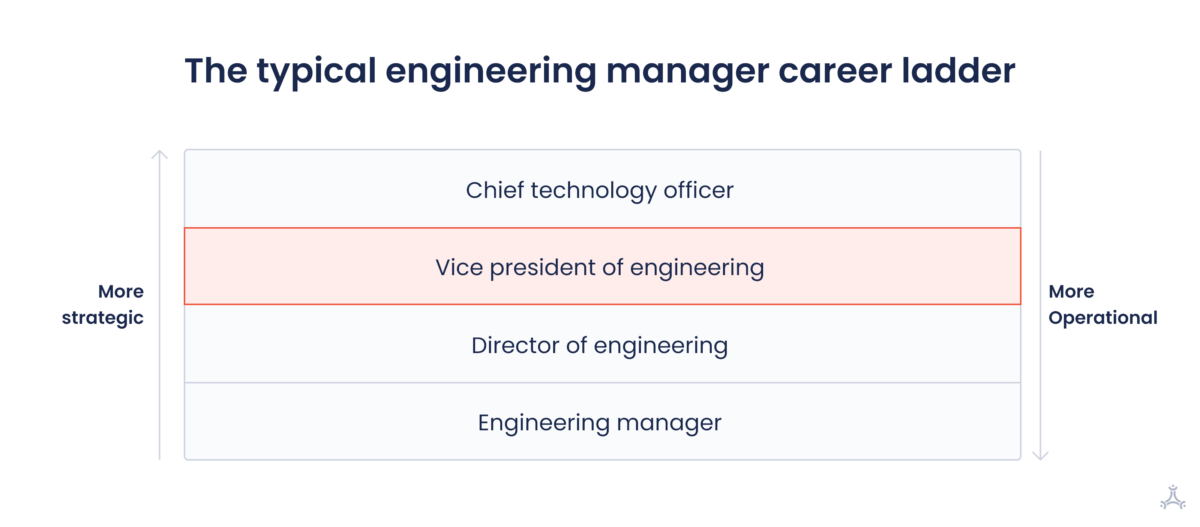
The Vice President of Engineering, also known as the VP of Engineering, is often the second most senior software engineering position in a company, reporting only to the CTO and CEO.

The Vice President of Engineering, also known as the VP of Engineering, is often the second most senior software engineering position in a company, reporting only to the CTO and CEO.

Viktor Mitrevski
Victor is a highly motivated engineering leader with a strong passion for building, scaling, and mentoring engineering teams. With over 16 years of experience, he has progressed through various software engineering leadership roles, overseeing teams of 40 to 120 engineers distributed across multiple countries.
The Vice President of Engineering, also known as the VP of Engineering, is often the second most senior software engineering position in a company, reporting only to the CTO and CEO.
They are responsible for overseeing the development and implementation of technical strategy and managing engineering managers/directors and their teams to ensure projects are completed on time and within budget.
In this article, we will explore the responsibilities of the role and the qualities and characteristics that make for a great VP of Engineering.
Whether you are considering a career as a VP of Engineering or simply want to learn more about this critical role, this article will provide valuable insight and information.
Table of Contents
- CTO vs. VP of Engineering: What’s the Difference?
- The Evolution of the Role
- What Are Some of the Responsibilities of a VP of Engineering?
- What Makes a Great VP of Engineering?
- Conclusion
CTO vs. VP of Engineering: What’s the Difference?
Let’s get one of the most important questions out of the way:
Is there a difference between a CTO and a VP of Engineering?
Although the CTO and the VP of Engineering are high-level executives who manage a company’s technical aspects, there are key differences between the two roles.
- Scope of responsibility: The CTO typically oversees all technical aspects of the organization, including research and development, technology strategy, and technology infrastructure. The VP of Engineering, on the other hand, typically has a more focused scope of responsibility, focusing specifically on the engineering function of the organization.
- Level of authority: The CTO has higher authority within the organization, reporting directly to the CEO or other top executives. The VP of Engineering usually reports to the CTO or other top executives, depending on the organization’s structure.
- Technical expertise: Both the CTO and the VP of Engineering are expected to have a high level of technical expertise, but the VP of Engineering may also be expected to have excellent management skills to delegate tasks, solve problems, and lead teams to success. In many companies, the VP of Engineering may also have a degree in Management or Business Administration.
- Strategic focus: The CTO is often responsible for driving the organization’s overall technical strategy. The VP of Engineering, on the other hand, ensures that the technical strategy is understood and implemented by engineering managers and developers.
In summary, the CTO and VP of Engineering both play important roles in managing the technical aspects of an organization. While the CTO tends to have broader responsibilities and greater authority, the VP of Engineering tends to have a more specialized focus on engineering and managing technical teams.
The Evolution of the Role
The majority of software companies, when they’re still early-stage startups with limited funding and budget, are run by the CEO and the CTO as the primary founders. The CTO would perform both the CTO and VP of Engineering roles, but would eventually settle into one or the other as the company grows.
As the company grows and adds more members to the team, driving technical strategy while managing a growing team becomes challenging for most CTOs. It’s at this stage of a company’s growth that the CTO’s responsibilities split into two roles: CTO and VP of Engineering.
The CTO drives the company’s technical strategy and vision, while the VP of Engineering leads teams of engineers and engineering managers/directors to ensure they build and deliver high-quality software.
Some companies that grow into large enterprises continue to divide the VP of Engineering role into smaller roles, including Chief Architect, CIO, and various levels of Engineering Directors.
What Are Some of the Responsibilities of a VP of Engineering?
Depending on the company’s hierarchy and structure, the VP of Engineering will manage the engineering managers, engineering directors, and the development team of engineers. Their primary responsibilities will include the following:
- Developing and implementing the company’s technical vision: The CTO is responsible for identifying and adopting new software technologies and staying up to date with industry trends and innovations. The VP of Engineering, working with the CTO, then develops a plan for integrating these new technologies into the organization’s workflow. This plan, known as a technical roadmap, outlines the steps and objectives needed to achieve the company’s technical vision and turn it into tangible products for customers. The technical roadmap may include specific metrics, custom dashboards, and tasks for team members to complete. This may also involve breaking larger goals into smaller tasks and organizing sprints to track progress.
- Creating and managing budgets for the software engineering department: The VP of Engineering is responsible for creating an annual budget for the software engineering department, accounting for the number of departments and personnel required for each project, as well as any external collaborators that may be necessary. The budget should also consider costs for prototypes, patents, and various stages of development. It’s important to have a clear budget in place for each project to keep each engagement on track. The VP of Engineering must present the budget plan to senior executives for approval and continually monitor it, making adjustments as needed for unexpected changes or additional work. It’s also critical to set key performance indicators for each project and ensure they are met.
- Communicating with stakeholders: The VP of Engineering regularly engages key stakeholders to discuss how the technical strategy aligns with the company’s goals and overall vision. This may involve regular meetings, communication groups, and presenting data or reports to demonstrate the progress and efficiency of the technical staff’s and managers’ work.
- Ensuring the engineering teams deliver: The VP of Engineering is responsible for ensuring the engineering teams deliver high-quality products on time and within budget. To ensure timely delivery, they may employ a number of different strategies, such as setting clear goals and timelines, providing the teams with the resources and support they need to be successful, identifying and addressing any bottlenecks or roadblocks, and continuously improving the processes and methodologies used by the engineering teams to increase efficiency and productivity.
- Supervising the hiring process: The VP of Engineering is responsible for ensuring a strong, capable team is in place to deliver high-quality work. This involves a thorough understanding of the skills and abilities required of the technical staff and identifying the right people to hire for the job.
What Makes a Great VP of Engineering?
Being a great Vice President of Engineering requires a combination of technical expertise, leadership skills, and strategic thinking. Here are some tips for thriving in this role:
They Have a Bachelor’s Degree in Engineering
The best VP of Engineering has at least a Bachelor’s Degree in engineering. They may specialize in general engineering or a particular field, like computer and software engineering or telecommunications engineering. But being a successful VP of Engineering often requires more than just technical expertise; it also demands strong leadership and management abilities. That’s why it’s not uncommon to see VPs of Engineering with a Bachelor’s Degree in engineering and a Master’s degree in business administration or management.
Individuals with both an education in engineering and business administration or management are better equipped to lead a team, motivate employees, develop budgets and strategies, and handle crisis situations.
They Have a Solid Experience in Engineering Roles
The best VP of Engineering has likely assumed various roles throughout their career. Having vast experience in the field and in various roles can help VPs of Engineering understand the requirements of different positions and evaluate the capabilities of potential hires. They often know firsthand which specific skills are essential for an engineering manager or director of engineering. Knowing what each technical position entails helps the VP effectively explain tasks and requirements to team members and future hires and set benchmarks for successful completion.
They Have the Skills for Managing Strong Teams and Managers
As a leader, a VP of Engineering is responsible for creating a positive, collaborative work environment for those they lead. This includes:
- Supporting ongoing learning and development: A strong engineering team is one that continually learns and grows. The VP of Engineering should encourage and support ongoing learning and development through opportunities such as training programs, conferences, and mentorship programs, both for developers and engineering managers/directors.
- Encouraging collaboration and communication: Strong communication and collaboration are essential for building successful engineering teams. The VP of Engineering should encourage the technical staff to work together and share ideas and should foster an open and transparent communication culture.
- Fostering a positive and inclusive culture: A positive and inclusive culture is essential for building strong, cohesive technical teams. The VP of Engineering should focus on creating an environment that is welcoming, collaborative, and respectful, and that values diversity and inclusion. They should know how to build an empowering engineering culture that fosters psychological safety, allowing people to be themselves at work.
- Setting clear goals and expectations: It’s important for the VP of Engineering to set clear goals and expectations for engineering managers, directors, and technical staff. They should also communicate these goals and expectations clearly and consistently. This helps ensure everyone is aligned and working towards common objectives.
They Stay Up-to-Date With Industry Trends and Emerging Technologies
Engineering leaders must have a strong understanding of the latest developments in the field and how they could impact the business.
There are a few ways VPs of Engineering can stay up to date on industry trends and emerging technologies:
- Attend conferences and events: VPs of Engineering can attend industry conferences and events, such as tech trade shows, hackathons, and meetups, to learn about new technologies and trends. These events often feature keynote speakers, workshops, and networking opportunities that can help VPs stay informed about what’s happening in the tech industry.
- Read industry publications: VPs of Engineering can keep up with industry trends by regularly reading tech industry publications, such as blogs, reports, and newsletters. These resources often cover the latest technologies and trends and can provide valuable insights and information for engineering leaders.
- Network with other professionals: VPs of Engineering can build and maintain a network of other professionals in the tech industry, such as engineers, developers, and CTOs, to learn about new technologies and trends through informal conversations and discussions.
- Join professional organizations: VPs of Engineering can join professional organizations, such as industry associations or alumni groups, to access resources and events that can help them stay up to date with industry trends and emerging technologies. These organizations often offer training programs, networking opportunities, and industry news updates that can be valuable for VPs of Engineering.
- Experiment with new technologies: Finally, VPs of Engineering can stay up to date by experimenting with new technologies and tools themselves. This hands-on approach can help VPs understand how new technologies work and how they might be applied in their own organizations.
Conclusion
The role of a VP of Engineering is not an easy one, but it’s an amazing opportunity to promote a healthy work environment and help others grow. This will ensure the team you’re managing feels psychologically safe, so they can work towards building great software and driving the company forward into new accomplishments.
FAQs
Q: What does a VP of Engineering do?
The Vice President of Engineering is the second-most-senior software engineering position in a company, reporting only to the CTO and CEO. They are responsible for overseeing the development and implementation of the technical strategy and managing engineering managers, directors, and their teams to ensure projects are completed on time and within budget.
Q: What is the difference between CTO and VP?
Although the CTO and the VP of Engineering are high-level executives managing a company’s technical aspects, there are some key differences between the two roles. The VP of Engineering has a more focused scope of responsibility and usually reports to the CTO, while the CTO reports only to the CEO. The VP of Engineering is expected to have excellent management skills, in addition to technical skills.