

Hire Xamarin Developers
Hire the Top 3% of Freelance Xamarin Developers
Hire Xamarin developers, architects, consultants, experts, specialists, and programmers on demand. Top companies and startups choose Xamarin developers from Toptal for cross-platform mobile development, C# programming, native UI design, performance optimization, and more.
Hire a Top Xamarin Developer Now
No-Risk Trial, Pay Only If Satisfied.







Hire Freelance Xamarin Developers

Andy Gill
Freelance Xamarin Developer
Verified Expert in Engineering
United States
Toptal Member Since November 9, 2021
Andy, a full-stack developer with 20 years of software experience, specializes in the .NET stack, covering requirements gathering, SQL database design, and development across web, Windows, and mobile platforms. Skilled in system monitoring, his strengths include .NET MAUI cross-platform apps, conversational bots for Amazon Alexa and Google Home, and full .NET stack for web or Windows. Andy is passionate about improving client experiences through problem-solving.
Show More
Anne Adams
Freelance Xamarin Developer
Verified Expert in Engineering
United Kingdom
Toptal Member Since September 4, 2015
Anne is an experienced developer who has worked both for large corporations and startups. After building financial trading applications for eight years as an engineer at Merrill Lynch, Anne founded and built LoudUp, a music-based social network that she designed, developed, and launched from the ground up. She specializes in .NET technologies and JavaScript.
Show More
Kevin Howard
Freelance Xamarin Developer
Verified Expert in Engineering
United States
Toptal Member Since May 25, 2021
Kevin is a software engineer with 25 years of experience focusing on mobile applications, cloud computing, operating system design, and server management. He's proud of his proven track record of building and leading engineering teams in full-stack mobile and web products in multiple industries. At work, Kevin is recognized for his ability to deliver winning cross-platform solutions in cutting-edge technology areas across geographically dispersed project teams.
Show More
Giorgi Dalakishvili
Freelance Xamarin Developer
Verified Expert in Engineering
Georgia
Toptal Member Since April 4, 2016
Giorgi is a software developer with more than a decade of experience. He works mainly with C#, ASP.NET Core, REST, GraphQL, MAUI, Xamarin, Entity Framework Core, AWS, Azure, and SQL Server. He has also worked with many other frameworks and systems, such as ASP.NET MVC, ASP.NET Web API, WCF, Avalonia, WinForms, Oracle, and many more. Giorgi is an open-source author and contributor on GitHub, a Microsoft MVP, and a member of the .NET Foundation.
Show More
Mosabbir Khan Shiblu
Freelance Xamarin Developer
Verified Expert in Engineering
Canada
Toptal Member Since July 18, 2017
With eight years of proven expertise in cross-platform mobile application development in Xamarin.Forms /.NET MAUI, Mosabbir is your go-to developer for any mobile application project. With an additional three years in software engineering research, he is also suitable for R&D work. Mosabbir's portfolio is rich with over 40 professional projects, including 10 Xamarin.Forms and four .NET MAUI projects.
Show More
James Closs
Freelance Xamarin Developer
Verified Expert in Engineering
United Kingdom
Toptal Member Since March 1, 2022
James is an award-winning digital media professional with 20+ years of experience specializing in cross-platform mobile app and game development and design using C#, Xamarin, and related technologies. James has developed apps on everything from the first Java-enabled mobile phones to contemporary game consoles and consulted at a senior level on major projects for high-profile clients, including Disney, Nokia, Cartoon Network, Open City, and Electronic Arts.
Show More
Koflax Hounkpe
Freelance Xamarin Developer
Verified Expert in Engineering
Canada
Toptal Member Since February 14, 2024
Koflax is a highly skilled senior software engineer with over a decade of experience specializing in .NET technologies (C#, .NET Core, .NET 8), Node.js, React, and cloud-based architectures. He excels in full-stack development, API design, and scalable microservices, leveraging modern tools like Azure, AWS, and CI/CD pipelines. A strong leader and mentor, Koflax thrives in collaborative, agile environments, driving innovation and delivering high-performance software solutions.
Show More
Matthew Rowan
Freelance Xamarin Developer
Verified Expert in Engineering
Australia
Toptal Member Since August 30, 2018
From studying AI and vision processing at university to a 20-year career in software development, Matthew has amassed a vast range of full-stack experience and product management expertise that he has also applied to his own startup. He started out developing with Cobol, Java, and Oracle before moving on to the Microsoft .NET stack. Regardless of the project, Matthew knows how to balance technical know-how and business needs.
Show More
Riaan van der Linde
Freelance Xamarin Developer
Verified Expert in Engineering
New Zealand
Toptal Member Since July 5, 2016
Riaan is a skilled developer that takes pride in his work. With over ten years of development experience over a wide range of languages, he has worked on multiple successful projects globally. He takes ownership of his projects and makes sure that everything is done to the best standard before handing it over to clients. He is also very transparent when it comes to communication with the client.
Show More
Abilio Esteves
Freelance Xamarin Developer
Verified Expert in Engineering
United States
Toptal Member Since December 23, 2020
Abilio is a software engineer leader with solid education and experience developing scalable web apps and secure infrastructure software. He has worked at IBM as an engineering manager, creating and delivering solutions for over 77 million people in Brazil. Abilio is currently at Anjuna Security in California, pioneering the field of zero-trust security with confidential computing.
Show More
Seva Safris
Freelance Xamarin Developer
Verified Expert in Engineering
Thailand
Toptal Member Since July 17, 2014
Seva is a software professional with 24 years of development experience. He graduated from UC Berkeley with degrees in electrical engineering and computer science, and a minor in material science and engineering. Seva is a team lead, project manager, mentor, solution architect, and hands-on developer who builds efficient, scalable, and fault-tolerant solutions for enterprise companies and startups.
Show MoreDiscover More Xamarin Developers in the Toptal Network
Start HiringA Hiring Guide
Guide to Hiring a Great Xamarin Developer
Even though Microsoft stopped supporting Xamarin, companies still hire Xamarin experts for app maintenance, performance improvements, updating legacy apps, and migration support. This hiring guide covers the skills to look for, how to write a job description, and which interview questions to ask to hire Xamarin developers best suited to support your legacy app or migration project.
Read Hiring GuideToptal in the press
... allows corporations to quickly assemble teams that have the right skills for specific projects.

Despite accelerating demand for coders, Toptal prides itself on almost Ivy League-level vetting.

Our clients


Creating an app for the game


Leading a digital transformation


Building a cross-platform app to be used worldwide


Drilling into real-time data creates an industry game changer
Testimonials
How to Hire Xamarin Architects Through Toptal
1
Talk to One of Our Client Advisors
A Toptal client advisor will work with you to understand your goals, technical needs, and team dynamics.
2
Work With Hand-selected Talent
Within days, we’ll introduce you to the right Xamarin consultant for your project. Average time to match is under 24 hours.
3
The Right Fit, Guaranteed
Work with your new Xamarin expert for a trial period (pay only if satisfied), ensuring they’re the right fit before starting the engagement.
EXCEPTIONAL TALENT
How We Source the Top 3% of Xamarin Developers
Our name “Toptal” comes from Top Talent—meaning we constantly strive to find and work with the best from around the world. Our rigorous screening process identifies experts in their domains who have passion and drive.
Of the thousands of applications Toptal sees each month, typically fewer than 3% are accepted.
Capabilities of Xamarin Developers
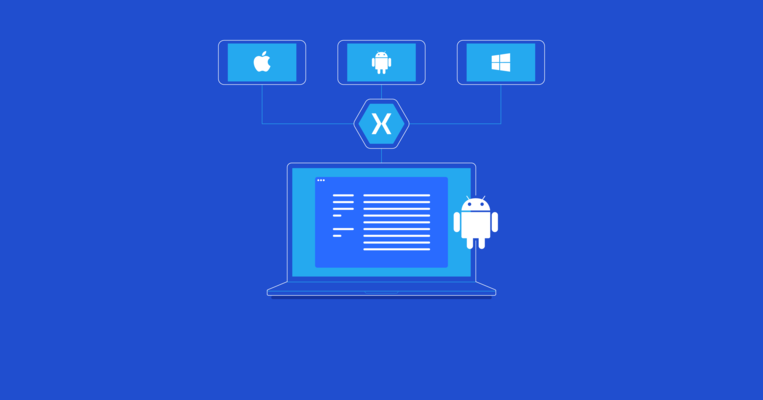
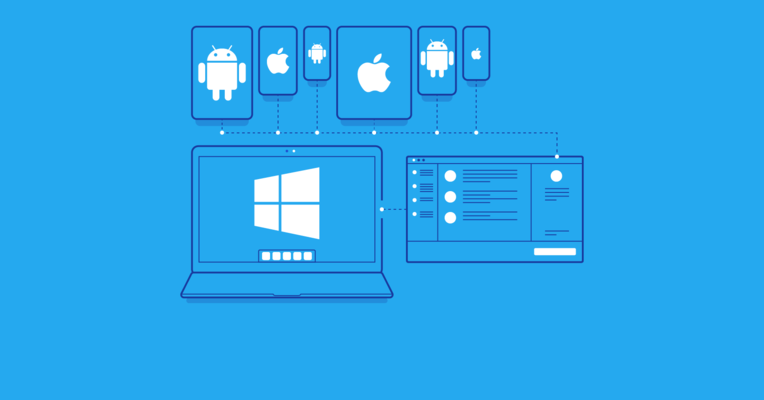
Toptal’s programmers create high-performance, cross-platform mobile applications using a single codebase to deliver native-like experiences on iOS, Android, and Windows devices.
Cross-platform Mobile App Development
Xamarin enables efficient creation of multiplatform mobile applications using a shared C# codebase. Toptal’s developers build high-performance apps for iOS and Android simultaneously, reducing development time and costs while maintaining consistent functionality across platforms.
Native Performance
Achieving native-like performance is crucial for the success of a mobile app. Toptal developers leverage native bindings to access platform-specific APIs, which seamlessly integrate device features such as cameras, GPS, and sensors for optimal performance and user experience.
User Interface Design with Xamarin.Forms
Xamarin.Forms facilitates the creation of consistent, responsive interfaces across platforms. Our developers utilize this tool to build user-friendly UIs that maintain consistency while respecting platform-specific design elements for intuitive and visually appealing apps.
Back-end Integration and APIs
Modern mobile applications require seamless connectivity with back-end systems. Toptal’s programmers excel at integrating apps with various APIs and back-end services, implementing real-time data synchronization and secure communication with cloud-based infrastructure.
Custom Plugins and Third-party Integrations
Extending app functionality often necessitates custom solutions. To meet specific business needs, Toptal’s developers create bespoke plugins and integrate third-party libraries, enhancing mobile app capabilities and leveraging new technologies for improved functionality.
Cross-platform Testing and Quality Assurance
Applications need to have consistent performance across devices. Toptal developers employ automated testing tools like Xamarin Test Cloud to rigorously evaluate applications on multiple platforms and devices, identifying and resolving issues before deployment to guarantee smooth user experiences.
Performance Optimization and Memory Management
The performance of a mobile app has a direct impact on user satisfaction. By efficiently managing memory, minimizing load times, and ensuring smooth operation across diverse devices, our programming experts ensure that applications are optimized for responsiveness and resource efficiency.
Offline Functionality and Data Synchronization
In mobile-first environments, downtime or network interruptions have a significant impact on user experience. Toptal’s developers implement robust offline capabilities so users can access and manipulate data without an internet connection—complete with automatic synchronization once connectivity is restored.
Push Notifications and In-app Messaging
Effective user engagement requires not only an intuitive user interface, but also clear and meaningful interactions. Our developers implement push notifications and in-app messaging using services like Firebase Cloud Messaging and Apple Push Notification Service, delivering timely and relevant communications to keep users informed and engaged.
App Store Submission and Compliance
Navigating app store requirements can be complex. Toptal’s developers manage the entire submission process, verifying applications meet all guidelines for Google Play and Apple’s App Store to ensure quick approval and streamline the path to market.
Trusted by 25,000+ Clients Worldwide
Find the Right Talent for Every Project
Accelerate your project with versatile, expert talent. From short-term solutions to long-term collaboration, Toptal delivers impactful results.
Senior Xamarin Developers
Senior Xamarin developers bring deep technical expertise and advanced problem-solving skills to address your most complex challenges. Toptal’s rigorous vetting process provides access to professionals who combine robust technical experience with proven leadership.
Dedicated Xamarin Developers
Dedicated Xamarin developers focus exclusively on your projects, leverage advanced Xamarin expertise, and align with your long-term objectives to enable seamless integration and deliver high-quality outcomes.
Offshore Xamarin Developers
Offshore Xamarin developers combine exceptional expertise with competitive rates, making them ideal for scaling projects efficiently. Operating across multiple time zones, they provide global coverage and 24/7 support for time-sensitive requests.
Remote Xamarin Developers
Remote Xamarin developers offer top-tier expertise worldwide, removing location barriers to connect you with the best talent for your projects. They integrate seamlessly with distributed or hybrid teams, enabling flexible collaboration from anywhere.
FAQs
Xamarin is a cross-platform app development framework that enables developers to build applications for Android, iOS, and Windows using a single codebase. As part of the Microsoft ecosystem, it integrates seamlessly with Visual Studio, providing a comprehensive development environment for building native apps written in C#. Xamarin has been superseded my .NET MAUI, however. Keep this in mind when selecting a framework for new app development.
Xamarin is used to develop cross-platform applications that can run on Android, iOS, and Windows with a single codebase. It allows developers to create native user interfaces and access platform-specific APIs. Its ability to share and reuse code across multiple platforms significantly reduces development time and costs.
Xamarin increases ROI by significantly reducing the time and resources required for development and maintenance. With its cross-platform development capabilities, Xamarin minimizes the need for separate development teams for each platform, accelerating time to market. It uses established technologies, C# and the .NET framework, enabling companies to tap into a large talent pool of skilled developers, reducing training costs and streamlining the development process.
While Xamarin is well suited for app development, it has been superseded by .NET MAUI. The two frameworks share many similarities, with both being capable of cross-platform development. Both frameworks boast tight integration with Visual Studio and the .NET framework. Xamarin remains a very capable and performant technology, but if you are starting a new project, .NET MAUI is the better and more future-proof choice.
The cost of hiring a skilled a Xamarin developer varies depending on factors like the preferred talent location, the experience level of the talent, and the complexity of the project. In the US, for example, Glassdoor’s reported average total annual pay for Xamarin developers is $143,000 as of January 2025. Toptal’s talent matchers can help you understand the cost of talent, and match you with developers who have the right skills and experience level for your needs. To get started, schedule a call with us—it’s free, and there’s no obligation to hire with Toptal.
In general, a Toptal engineer can be hired in 48 hours. Timelines may vary for larger teams or Managed Delivery. Toptal’s talent matchers are skilled in the fields they are matching in, so they’ll work with you to understand your business goals, technical needs, and team dynamics before matching you with the right candidate from our global network of vetted talent. Our matching process has a 98% trial-to-hire rate and you’ll have a no-risk trial period to ensure they’re the perfect fit.
At Toptal, all of our talent is thoroughly vetted; of the more than 200,000 people who apply to join the Toptal network each year, fewer than 3% make the cut. Candidates are screened not only for technical skills, but language and interpersonal skills as well. When you hire with Toptal, you’ll always work with world-class, custom-matched Xamarin developers ready to help you achieve your business goals.
Developers can be hired on an hourly, part-time, or full-time basis. Toptal can also manage the entire project from end-to-end with Managed Delivery. When working with Toptal, you’ll have the flexibility to scale your team up or down as your needs evolve. If you have a talent gap or simply need an extra hand, our developers can be seamlessly integrated into your in-house team.
Each engagement starts with a no-risk trial period of up to two weeks, giving you time to establish a working relationship. If you’re satisfied with the result, you’ll be billed for the time and can continue the engagement for as long as you’d like. If you’re not completely satisfied, you won’t be billed and if you choose to stay with Toptal, we’ll provide you with another skilled developer who may be a better fit, and the no-risk trial period will begin anew.
Typically, you can hire Xamarin developers with Toptal in about 48 hours. For larger teams of talent or full end-to-end project delivery, timelines may vary. Our talent matchers are highly skilled in the same fields they’re matching in—they’re not recruiters or HR reps. They’ll work with you to understand your goals, technical needs, and team dynamics, and match you with ideal candidates from our vetted global talent network.
Once you select your Xamarin expert, you’ll have a no-risk trial period to ensure they’re the perfect fit. Our matching process has a 98% trial-to-hire rate, so you can rest assured that you’re getting the best fit every time.
To hire the right Xamarin specialist, it’s important to evaluate a candidate’s experience, technical skills, and communication skills. You’ll also want to consider the fit with your particular industry, company, and project. Toptal’s rigorous screening process ensures that every member of our network has excellent experience and skills, and our team will match you with the perfect Xamarin developers for your project.
At Toptal, we thoroughly screen our Xamarin programmers to ensure we only match you with the highest caliber of talent. Of the more than 200,000 people who apply to join the Toptal network each year, fewer than 3% make the cut.
In addition to screening for industry-leading expertise, we also assess candidates’ language and interpersonal skills to ensure that you have a smooth working relationship.
When you hire Xamarin consultants with Toptal, you’ll always work with world-class, custom-matched Xamarin developers ready to help you achieve your goals.
You can hire Xamarin experts on an hourly, part-time, or full-time basis. Toptal can also manage the project end-to-end based on your specific requirements as part of our Consulting and Services offerings. Whether you hire a Xamarin developer for a full- or part-time position, you’ll have the control and flexibility to scale your team up or down as your needs evolve. Our Xamarin developers can fully integrate into your existing team for a seamless working experience.
We make sure that each engagement between you and your Xamarin developer begins with a trial period of up to two weeks. This means that you have time to confirm the engagement will be successful. If you’re completely satisfied with the results, we’ll bill you for the time and continue the engagement for as long as you’d like. If you’re not completely satisfied, you won’t be billed. From there, we can either part ways, or we can provide you with another Xamarin developer who may be a better fit and with whom we will begin a second, no-risk trial.
How to Hire Xamarin Developers

Verified Expert in Engineering
17 Years of Experience
Vanclei is a software developer, consultant, and systems analyst with more than 17 years of experience. He specializes in .NET technologies and has co-authored a book about C # with two Microsoft Brazil employees. Vanclei has worked on Xamarin and .NET projects at Fortune 500 companies, including ExxonMobil, Sony, The Weather Group, and Work & Co.
Previously at

Why Xamarin Developers Are Still in Demand
Although Microsoft retired Xamarin in May 2024, organizations still hire Xamarin developers to keep existing applications running or to prepare them for migration to .NET MAUI or another modern framework.
Even without Microsoft’s support, one of Xamarin’s main strengths was always its code-sharing model, which allowed developers to reuse libraries and business logic across platforms. Combined with its integration with Microsoft technologies like Azure, this made Xamarin a popular choice for cross-platform development. As a result, many organizations still need Xamarin experts to support legacy applications and guide their modernization efforts.
However, hiring a Xamarin engineer comes with unique challenges. Whether you plan to maintain an existing app or migrate to .NET or .NET MAUI, finding applicants versed in mobile app development (Android and iOS) and the Microsoft ecosystem can be difficult and time-consuming.

This hiring guide breaks down the critical skills to look for in Xamarin developers, provides tips for writing a compelling job description, and suggests interview questions to help you identify the top candidates.
What Attributes Distinguish Quality Xamarin Developers From Others?
Before starting the hiring process, defining clear goals and project requirements is essential to finding the right Xamarin expert for your needs. Start by defining whether your primary need is maintenance, modernization, or migration. Most companies hiring for Xamarin developers today already have an existing application, so the key questions are how the app is performing, which platforms it currently supports, how much technical debt it carries, and whether the business needs ongoing support or a migration path to .NET, .NET MAUI, or another framework. Clarifying those requirements will help you identify the right developer for the work ahead.
Next, consider the scope and complexity of the app. Define the features and functionalities you want to preserve or upgrade from simple tasks to advanced integrations, which will give you a sense of the skills required.
Finally, establish a realistic timeline and budget. These factors will directly influence the type of developer or team you need, whether your priority is short-term maintenance, performance improvements, or a larger modernization effort. It is also important to consider your long-term plans for the application, including whether you expect to continue supporting the existing Xamarin codebase or prepare for migration to a newer framework. A well-defined timeline and budget also help set expectations and ensure alignment with your chosen developer’s capabilities.
Whether you need a Xamarin app coder to maintain an existing program, upgrade key features, or support a migration effort, define your skills gap at the start of the hiring process. These questions will help inform the skill requirements and developer level that best suits your needs:
- How complex is the project and its core business logic?
- What other technologies does the team use?
- Does your app require data collection or advanced API integrations?
- Does your project have large tech debt or existing bugs?
- Will the developer focus on short-term support, or also help plan for modernization or migration?
With that information in hand, you should aim to find a Xamarin programmer with the following skills:
- Mobile or app development: Candidates must be familiar with test automation tools, architectural patterns, and UI/UX development for platforms like iOS, Android, macOS, and/or Windows.
- C#: Xamarin apps are built using C#, an object-oriented programming language common among .NET applications. A strong foundation of C# experience enables developers to navigate the Xamarin ecosystem effectively.
- .NET: Xamarin is part of .NET, extending it with cross-platform tools and capabilities. As such, developers must have a solid understanding of the .NET framework, its most helpful features, and its latest versions.
- .NET Upgrade Assistant: A tool for teams migrating from Xamarin to .NET MAUI, that automates much of the migration process, including project file updates, NuGet package upgrades, and API changes. It helps identify compatibility issues and minimize risks during the transition.
- Visual Studio: Microsoft’s Visual Studio offers an integrated development environment (IDE) and equips an app developer with vital tools for development, deployment, debugging, and testing. Since Xamarin support ended in May 2024, strong candidates should also understand the limitations of older projects and how those constraints affect modernization or migration planning. For legacy Xamarin projects, Visual Studio 2022 provides the necessary workloads and extensions to effectively maintain and modernize applications.
- Xamarin.UITest: For legacy Xamarin applications, Xamarin.UITest remains a valuable tool for automated UI testing. It allows developers to write and execute tests that validate user interface behavior across iOS and Android, ensuring consistency and catching regressions before they reach production.
- APIs: Xamarin programmers should be comfortable working with APIs because many mobile solutions depend on backend services, databases, authentication providers, and third-party integrations. Skilled API integration allows developers to create smooth, responsive apps by connecting to services, databases, and backend systems seamlessly. Tools like cURL and Postman are essential for testing these integrations, ensuring reliable communication and resolving data flow issues.
- Postman and cURL: API testing is a major part of Xamarin development, especially for applications that use third-party integrations or cloud-based data. Postman and cURL help developers test API endpoints, debug integration issues, and ensure APIs behave consistently across different platforms and environments.
- Git and Azure Repos: Git is the version control system used to track code changes, while Azure Repos is Microsoft’s hosted service for managing Git repositories. Together, they help teams collaborate efficiently and maintain a single source of truth for the codebase, which is especially important in legacy Xamarin projects with shared code and complex dependencies.
- Soft Skills: Another important aspect to consider is soft skills. Strong communication, teamwork, and problem-solving abilities complement specialized technical expertise and enable developers to integrate smoothly with a team and collaborate effectively.
Though many developer skills overlap with the requirements for .NET or app development, Xamarin engineers are experts in developing code that is shared among operating systems and have specialized experience in building custom, reusable code solutions. Code reusability differentiates a developer who may know C# from an expert.

How Can You Identify the Ideal Developer for You?
Selecting the right developer involves several key considerations that can significantly impact your project’s cost, development speed, quality, and management overhead. You’ll need to assess the seniority level of the developer based on the complexity of your project, the skills gap you aim to fill, choose an appropriate engagement model, and determine whether to hire freelancers or partner with outsourcing companies.
Deciding on a Junior, Mid-level, or Senior Developer
Junior Xamarin Developers
Any engineer with a solid C# background can be regarded as a junior developer and can deliver results quickly on smaller maintenance tasks, bug fixes, and straightforward feature updates in well-structured Xamarin codebases. However, if your app has significant technical debt or urgent modernization needs, relying too heavily on junior talent may slow progress while they learn the fundamentals of the framework, which is not ideal if development time is your priority.
Mid-level Xamarin developers
Mid-level developers are familiar with the nuances of the framework and the most-used patterns and objects. These include concepts like the Model-View-ViewModel (MVVM) design pattern, the Command class, .NET Standard Library (or its predecessor PCL), and .NET MAUI or its predecessor, Xamarin.Forms. They are often well-suited to maintaining production apps, implementing moderate feature work, and supporting incremental modernization efforts.
Senior Xamarin developers
Senior developers are highly skilled experts who can make architectural decisions. They should know how to implement native Android or iOS solutions, use advanced debugging techniques, and identify and prevent memory issues on different operating systems. Senior engineers know the differences between operating systems and devices and can effectively deploy a product to various targets. If you’re operating an e-commerce app, it’s especially important to hire developers with experience in secure payment integration, backend API communication, and real-time user interaction to ensure a smooth and reliable shopping experience. If you’re preparing for a migration, senior developers should be able to assess what code and business logic can be preserved, identify blockers, and guide a realistic transition from Xamarin to .NET MAUI or another framework. Microsoft’s migration guidance includes paths from Xamarin.Forms for both multi-project and single-project .NET MAUI apps, which makes their migration experience especially valuable.
Hiring a mid-level or senior developer may pay off in the long term for most projects. For existing Xamarin apps, well-structured shared code and reusable architecture can make maintenance easier and future migration less disruptive. Hiring someone without experience in maintaining cross-platform code can lead to tech debt and make eventual migration more difficult.
Hiring Models for Xamarin Developers
There are several engagement models to consider when hiring developers, each with its own benefits and payment structures:
Dedicated team model: A team of developers works exclusively on your project. This approach provides a high level of control over the development process as the team becomes familiar with your project’s specific needs and objectives. Dedicated Xamarin developers are especially useful when a business needs ongoing maintenance, steady feature updates, performance improvements, or migration planning, as familiarity can improve efficiency and support more consistent delivery. The payment structure usually involves a fixed monthly fee for each team member, allowing for predictable budgeting and resource planning.
Part-time Engagement Model: Part-time models are best for smaller apps or consulting-style engagements, where a developer learns the codebase but steps in only when needed. This engagement is most common for feature updates, upgrades, migration planning, or integration work. Part-time Xamarin developers offer a balance of cost flexibility and project familiarity for specialized support as needed, without the cost and overhead of a dedicated Xamarin developer.
Controlled Agile: The controlled agile model is a hybrid engagement approach that combines the flexibility of agile development methodologies, where projects are broken down into smaller, more manageable iterations or sprints, with the predictability of controlled budgeting. This model is ideal for projects where requirements may change or evolve during development, like modernization sprints, feature updates, and migration planning. It allows for adjustments as the project progresses, ensuring that the final product meets your expectations. Payments are typically made based on agreed-upon milestones or deliverables, balancing cost certainty, pricing flexibility, and adaptability.
Time and Material: The time and material model involves paying for the actual time and resources spent on the project. This approach offers the greatest flexibility to alter the project scope, making it ideal for complex projects with uncertain or evolving requirements. You pay for the developers’ time based on hourly or daily rates, plus the cost of any materials used. Hourly engagements are best for bug fixes and short-term modernization tasks, like updating the login process to work with a newer authentication provider or resolving a platform-specific issue that appeared after an operating system upgrade.
While this model allows you to adjust priorities and requirements as needed, it may make budgeting more challenging due to the variable costs involved. Freelancers vs. Outsourcing Companies
When deciding how to staff your project, you might consider hiring freelancers or partnering with an outsourcing company. Each option has its advantages and trade-offs.
Freelancers often have lower overhead costs than agencies or companies. They can be hired on a project-by-project basis, offering flexibility and scalability to suit your specific needs. However, working with freelancers requires direct management and communication, which can be time-consuming. The quality and reliability of freelancers can vary greatly; therefore, thorough vetting is necessary to ensure they possess the required skills and are dependable.
Hiring offshore Xamarin developers provides access to more competitive rates and greater flexibility in scheduling and delivering work.
For teams supporting legacy apps, that flexibility is especially valuable because offshore Xamarin developers can work on code and deliver updates when the app’s user base is least active, to reduce disruptions. That said, remote Xamarin developers require structured communication rules from the start, regardless of location. This includes scheduled check-ins, shared document repositories, defined communication channels, and documented requirements around response times and project updates.
With those guardrails in place, international and remote Xamarin developer hiring becomes an effective way to reduce project overhead and extend coverage across time zones while keeping engagements moving forward.
Outsourcing companies are typically more expensive due to company overhead and their comprehensive services. They often provide vetted teams with a proven track record, ensuring higher quality and reliability. These companies can quickly onboard teams to accelerate development timelines, which is advantageous if speed is a priority. Additionally, outsourcing companies require less direct management, as project managers often handle coordination and oversight, reducing the management overhead on your part.
Cost Considerations
The cost of hiring a Xamarin developer depends on the developer’s seniority, project complexity (often tied to the condition of the existing codebase), and whether the work involves maintenance, modernization, or migration. In general, more experienced developers cost more upfront but may reduce long-term expenses by stabilizing the app faster, limiting technical debt, and making migration work more efficiently.
Seniority | Median Salary (USD) | Standard Tasks | Recommended for |
Junior Developers* | Small bug fixes, QA support, straightforward updates in well-structured codebases | True junior Xamarin specialists are less common today. Many entry-level hires are better framed as junior .NET or mobile developers supporting legacy Xamarin environments. | |
Mid-level Developers | Ongoing maintenance, new feature design, dependency updates, and performance improvements | A practical choice for established apps that need steady support without a major architectural overhaul. | |
Senior Developers | Technical debt reduction, complex debugging, architecture review, modernization, and migration projects | The best fit for unstable codebases or projects that may transition to .NET MAUI, React Native, or Flutter. |
Note: Since Xamarin is no longer supported, junior roles are now framed around .NET MAUI or cross-platform .NET, rather than pure Xamarin development.
Client Control and Communication
Clients need visibility into project progress, especially when Xamarin work involves modernization or migration. The best engagements make it easy for stakeholders to stay informed as the project progresses.
Toptal Xamarin developers provide:
- Clear status updates help clients understand what has been completed, what is in progress, and what issues may affect milestones.
- Shared repositories and project tracking tools can give stakeholders better visibility into priorities, deliverables, and overall progress.
- Collaboration through email, messaging platforms, video meetings, and project management tools, depending on the client’s preferred workflow.
- Frequent communication to let clients review work, provide input, and retain visibility and control over the project’s direction and scope.
These practices give clients greater visibility into project progress and better control over changing priorities.
Choosing the Right Migration Path for a Xamarin App
For many companies, hiring a Xamarin developer today is about choosing the right path forward. Since Microsoft recommends migrating Xamarin.Forms projects to .NET MAUI, businesses often hire experienced developers to assess their codebase, preserve what’s reusable, and guide migration to a modern, supported framework. Depending on the organization’s goals and long-term strategy, that path typically leads to .NET MAUI, React Native, or Flutter.
Migrating from Xamarin to .NET MAUI
For projects based in C#, .NET, and Microsoft infrastructure, .NET MAUI is the most direct migration path. Microsoft positions .NET MAUI as the evolution of Xamarin.Forms and provides official upgrade guidance for teams moving from Xamarin to more modern .NET frameworks. This path makes the most sense when the goal is to preserve internal Microsoft-stack expertise, modernize applications, and continue building within the same ecosystem.
Migrating from Xamarin to React Native
Some organizations use migration as an opportunity to move away from the Microsoft stack and align their mobile solutions more closely with JavaScript, TypeScript, and React-based workflows. React Native can be especially appealing to companies that already have strong front-end web talent in frameworks such as React or Angular, or want to integrate React Native components into an existing native app. In those cases, hiring a Xamarin app coder with modernization experience can help a team evaluate what business logic can be preserved and how to manage the transition cleanly.
Migrating from Xamarin to Flutter
Flutter may appeal to teams that want a broader platform reset and prioritize a highly customizable UI model. Flutter’s official documentation includes guidance specifically for Xamarin.Forms developers, which makes it a good alternative for teams evaluating modernization options. This path can be a strong fit for businesses that want to future-proof a product with a framework that offers a large widget ecosystem and support for mobile, desktop, and web applications from a single codebase.
How to Write a Job Description for Your Project
A well-crafted job description includes relevant details about your company, the role, and the state of the application the developer will be working on. For Xamarin projects, that usually means describing whether the hire will focus on maintaining an existing app, improving performance, upgrading features, or supporting a migration effort.
Start with a clear description of your project and application:
- Which platforms does the app currently support?
- Does or will the app need to integrate with any external apps, APIs, backend services, third-party SDKs, or system(s)?
- Will the work focus on maintenance, feature upgrades, performance optimization, or migration?
- What technology stack and supporting resources are already in place?
Well-defined responsibilities and technical requirements will help attract Xamarin experts with the right mix of mobile, C#, .NET, and modernization experience.
What Are the Most Important Xamarin Interview Questions?
Preparing practical interview questions in advance will prepare you for success and allow you to complete the hiring process quickly. A good candidate may be fielding several offers, and you may lose out on their expertise if you take too long to decide.
The following questions and answers offer insight into the thought processes and problem-solving approach developers should take during an interview. Detailed, clear answers demonstrate that a candidate has relevant experience.
This list is not exhaustive, and you should tailor your questions toward your application platform and technology stack. For example, include questions about mobile, C#, and/or .NET as appropriate.
What strategies do you use to optimize Xamarin applications for performance across multiple platforms, and how do you handle platform-specific requirements?
Experienced developers understand that creating a performant cross-platform application often requires platform-specific optimizations. Key strategies to enhance app performance might include minimizing memory usage by avoiding unnecessary object instantiation, using async/await for smoother UI, and effectively managing resource-intensive tasks. Skilled developers can also discuss techniques such as custom renderers to create optimized, native UI components on different platforms and dependency injection for streamlined platform-specific services.
Additionally, candidates should be able to explain how they handle platform-specific requirements without compromising the shared codebase. This may involve using dependency services, custom renderers, or platform-specific projects to maintain performance and consistency.
What is XAML? Can you create a Xamarin Page without XAML?
XAML (eXtensible Application Markup Language) is a markup language that defines user interfaces in Xamarin, separating UI from code. XAML is preferred for building views in Xamarin.Forms, allowing for a clear and maintainable code structure. While XAML is similar to XML, it includes specific elements and syntax for defining UI properties, such as data bindings, property elements, and attached properties.
Creating a Page without XAML is possible by writing UI in C#, but using XAML provides productivity tools like XAML Hot Reload, which lets developers see UI changes in real-time without rebuilding, helping teams work more efficiently.
How does Xamarin increase an application’s ROI?
Xamarin can increase ROI by letting teams reuse code across platforms, reducing duplicated development effort and lowering maintenance costs. For companies with existing Xamarin apps, that value often comes from extending the life of a codebase, supporting both iOS and Xamarin.Android without maintaining entirely separate native teams, and making future modernization more manageable.
Strong candidates should also be able to explain that ROI depends on the project’s current state. In some cases, the best return comes from improving performance, reducing technical debt, or stabilizing a legacy app before migration. When hiring senior applicants, look for answers specific to your application, like explicit recommendations for performance improvements or migration planning.
Why Do Companies Hire Xamarin Developers?
Although Microsoft ended support for Xamarin, many organizations still rely on existing Xamarin applications. As a result, companies continue to hire Xamarin developers for maintenance, modernization, and migration work.
The most common use cases include the following:
Legacy App Maintenance
Xamarin legacy maintenance mostly focuses on preparing an app for a smoother transition to .NET MAUI or another modern framework. Many companies still rely on Xamarin apps, so Xamarin app developers are hired to keep those applications stable while modernization is planned. Legacy maintenance includes bug fixes, dependency updates, compatibility work for newer operating systems, performance improvements, and codebase reviews that reduce risk before migration.
Custom Feature Development
Xamarin developers can deliver custom enhancements and new feature work for businesses with established codebases that are not ready for a full rebuild. This may include adding new user flows, integrating backend services, improving functionality by platform, or preserving existing application architecture. In mature Xamarin environments, this type of work is often paired with codebase cleanup and modernization efforts that make future migration easier.
Performance Optimization
Xamarin developers improve responsiveness, memory usage, and platform-specific behavior by spotting inefficiencies in existing codebases and refining how apps render, load data, and handle resources. This work often includes layout optimization, image and cache management, async processing, and profiling to detect memory leaks or slow UI interactions. For legacy apps, these improvements can extend usability in the short term while making future modernization efforts less risky.
API and Backend Integration
Xamarin app developers connect applications to cloud services, internal platforms, and third-party tools that support core business operations. This entails connecting REST APIs, authentication systems, databases, payment providers, and cloud services such as Azure, as well as updating older integrations that affect reliability or compatibility. For legacy Xamarin apps, backend integration is often part of a bigger modernization plan to improve stability while preparing for future migrations.
Modernization Consulting
Xamarin engineers can provide strategic guidance on extending, refactoring, or replacing a legacy application based on its current architecture and long-term support needs. That may include assessing technical debt, outdated dependencies, platform-specific complexity, and migration readiness to help the business choose the least risky way forward. For many teams, this kind of consulting turns a vague modernization goal into a practical roadmap.
Migration Support
Xamarin developers help businesses plan and execute migration from legacy Xamarin applications to .NET MAUI, React Native, or Flutter based on the app’s architecture, internal team skills, and long-term product goals. This work may include auditing dependencies, assessing platform-specific code, refactoring shared business logic, updating UI components, and testing the migrated app across target platforms. In most cases, .NET MAUI is the most direct path for Microsoft-centric teams, while React Native or Flutter may make more sense for organizations using migration as an opportunity to shift to a different ecosystem.
Xamarin Migration and Modernization Examples
Most organizations now hire Xamarin developers to maintain legacy apps and prepare them for modernization. These migration examples show how organizations moved from Xamarin to .NET MAUI or other modern frameworks to improve reliability and long-term lifecycle support.
- Toyota: Toyota used Xamarin.Forms for its line-of-business apps, but when the framework reached end of life, performance and deployment issues became hard to ignore. The company’s migration to Uno Platform became an opportunity to modernize its tech stack. In situations like this, Xamarin developers are essential as they are responsible for assessing technical debt, preserving reusable business logic, and guiding the codebase migration to a modern, supported framework.
- Telerik: Telerik documented the migration of a complex real-world Xamarin ERP application to .NET MAUI. The process involved both automated and manual work, including the .NET Upgrade Assistant, third-party package replacement, UI updates, and service refactoring. In projects like this, Xamarin programmers help assess migration complexity and guide modernization to reduce disruption, providing Telerik with stable service and long-term support.
The most valuable Xamarin experts today can do more than maintain an older codebase. Strong candidates should be able to evaluate technical debt, stabilize production apps, and help plan a realistic migration path to .NET MAUI or another modern framework based on the team’s long-term goals. Microsoft’s published guidance is clear that Xamarin is no longer supported, and that existing Xamarin.Forms projects should be migrated to .NET MAUI.
The technical content presented in this article was reviewed by John Puddifoot.
Featured Toptal Xamarin Publications




Top Xamarin Developers Are in High Demand.