
Hire NFT Developers
Hire the Top 3% of Freelance NFT Developers
Hire vetted NFT developers, consultants, engineers, architects, experts, and programmers on demand. Leading companies choose NFT freelancers from Toptal for their most important development projects.
Hire a Top NFT Developer Now
No-Risk Trial, Pay Only If Satisfied.






Hire Freelance NFT Developers

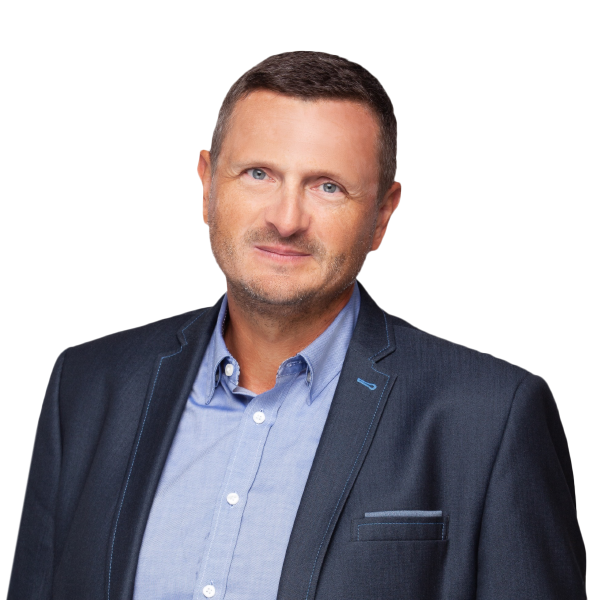
Michael Candido
Freelance NFT Developer
Verified Expert in Engineering
UTC-08:00
United States
Toptal Member Since July 9, 2024
Michael is a former principal engineer at Microsoft Azure and lead engineer at Crossmint, a top-tier blockchain startup. He has proven world-class expertise in Web3, cloud computing, and distributed systems and extensive experience building and scaling services from the ground up that serve 100+ million requests per day. Michael is comfortable taking on the toughest technical challenges and building scalable Web3 apps, back ends, APIs, and web applications on par with top-tier tech companies.
Show More
Shelley Nason
Freelance NFT Developer
Verified Expert in Engineering
UTC-06:00
United States
Toptal Member Since January 15, 2015
Shelley is a full-stack engineer with 15 years experience building software in a variety of industries. She is comfortable starting with rough requirements and working with stakeholders to turn an idea into a useful, appealing piece of software. Shelley writes clean, fast, well-documented, and well-tested code, provides realistic estimates, and works well with teammates. As a student, Shelley spent several years in an AI Ph.D. program and she maintains a strong interest in that field.
Show More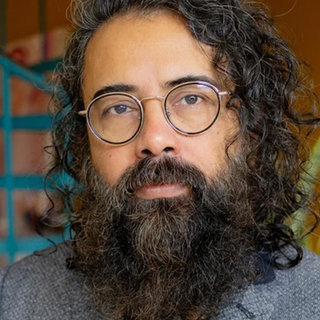
Dee Acharjya
Freelance NFT Developer
Verified Expert in Engineering
UTC-05:00
United States
Toptal Member Since March 19, 2024
Dee is a full-stack engineer with experience leading teams and providing hands-on coding for scalable solutions. He has contributed to projects in diverse industries, including document management, blockchain, legal, and telecommunications, becoming highly proficient in Node.js, NestJS, React, Next.js, GraphQL, .NET, and C#. Dee is also adept at managing SQL and NoSQL databases and deploying CI/CD pipelines using GitHub Actions, Docker, and Kubernetes.
Show More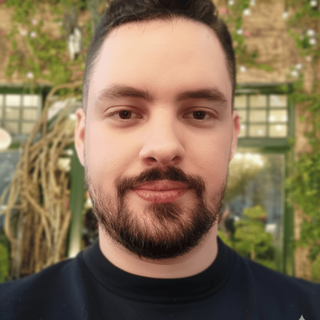
Alisson Reinaldo Silva
Freelance NFT Developer
Verified Expert in Engineering
UTC-03:00
Brazil
Toptal Member Since May 26, 2021
Alisson is an engineering manager and certified AWS Solutions Architect with 15+ years of experience building software, leading technical teams for companies in the US, Europe, Asia, and South America, full-time and part-time as a contractor, for startups and Fortune 500 companies reporting to the C-suite. He's very interested in AI (he has a machine learning certificate from Stanford from the legendary Andrew Ng), games, and physics in general.
Show More
Nicolas Debaene
Freelance NFT Developer
Verified Expert in Engineering
UTC+00:00
France
Toptal Member Since April 1, 2020
With a master of science degree in engineering and a specialization in data science from Telecom ParisTech, Nicolas has been solving concrete business cases for five years using machine learning and data mining. His experience in the eCommerce, banking, and consulting sectors gives him a very strong technology portfolio and a deep understanding of different business types.
Show More
Sylvain Vittecoq
Freelance NFT Developer
Verified Expert in Engineering
UTC+01:00
Sweden
Toptal Member Since August 17, 2022
Sylvain's been a CTO, engineering manager, and senior software engineer in the US and Europe. He is a very hands-on, result-oriented expert in Java and solution definition and can work with anyone from engineers to C-level execs. Sylvain's delivered nationwide security infrastructures for millions of devices and connected millions of eCommerce users. Sylvain founded FileChain to offer next-generation blockchain platforms for large-scale Web 3.0, Industry 4.0, and NFT decentralized marketplaces.
Show More
Robert Pardela
Freelance NFT Developer
Verified Expert in Engineering
UTC+01:00
Poland
Toptal Member Since October 7, 2022
Robert is an entrepreneur, IT manager, and developer specializing in blockchain. He has spearheaded dozens of large-scale projects, teams of over 40, and a budget of $30 million to deliver nationwide systems. Blockchain inspired him and changed the way he looked at IT systems. Robert is known for his innovation and strong ability to take a project from idea to successful implementation. He enjoys creating IoT solutions on Raspberry Pi and Arduino as a hobby.
Show More
Basil Gorin
Freelance NFT Developer
Verified Expert in Engineering
UTC+02:00
Switzerland
Toptal Member Since March 20, 2020
Basil is an enthusiastic, experienced solution architect, tech designer, and software engineer with a strong background in Java, web, and blockchain tech stacks. Since 2005, he has successfully applied technology to create digital solutions in the US, Israel, Hong Kong, Korea, Australia, Germany, and Estonia. Basil has built bridges between stakeholders and tech teams since his professional career. He loves it and is quite successful.
Show More
Evgeny Tsvigun
Freelance NFT Developer
Verified Expert in Engineering
UTC+03:00
Russia
Toptal Member Since April 19, 2018
Evgeniy is a back-end developer with over ten years of experience, specializing in big data/fast data processing and machine learning. He's always in touch with the latest advances in the industry and continuously upgrades his skill set. His toolkit is centered around functional programming and scalable analytics engines like Apache Spark. Evgeniy considers the job done only when it has been tested, documented, and deployed.
Show More
Denis Baturin
Freelance NFT Developer
Verified Expert in Engineering
UTC+04:00
Georgia
Toptal Member Since May 19, 2021
Denis is a blockchain analyst and a Solidity and Android developer. He has been in charge of everything blockchain-related in a hardware wallet company for over two years. He has integrated 10+ blockchains for a hardware wallet Android app in Kotlin and Java and developed a self-sovereign identity (SSI) POC app. Denis is experienced with smart contracts and NFTs and has a solid background as a system administrator and tech support.
Show More
Kaustav Chakraborty
Freelance NFT Developer
Verified Expert in Engineering
UTC+05:00
India
Toptal Member Since October 9, 2021
Kaustav is a hands-on, goal-oriented, versatile technology professional with more than two decades of experience, primarily in open-source digital technologies, such as blockchain, IoT, microservices, cloud, distributed architecture, R&D, design, and development, with a proven track record delivering consistent business results. He loves to take on technical challenges, learn about new technology innovations, and deliver successful products worldwide.
Show MoreDiscover More NFT Developers in the Toptal Network
Start HiringA Hiring Guide
Guide to Hiring a Great NFT Developer
Non-fungible tokens (NFT) are unique digital assets verified using blockchain technology. The technology has already had a significant impact on art and gaming, but use cases are still emerging in other sectors, including law, finance, and logistics. Whether you plan to launch new NFT projects, implement advanced smart contract features, or enhance existing marketplaces, NFT developers provide the technical expertise to drive success in the Web3 space.
Read Hiring GuideToptal in the press
... allows corporations to quickly assemble teams that have the right skills for specific projects.

Despite accelerating demand for coders, Toptal prides itself on almost Ivy League-level vetting.

Our clients


Creating an app for the game


Leading a digital transformation


Building a cross-platform app to be used worldwide


Drilling into real-time data creates an industry game changer
Testimonials
How to Hire NFT Consultants Through Toptal
1
Talk to One of Our Client Advisors
A Toptal client advisor will work with you to understand your goals, technical needs, and team dynamics.
2
Work With Hand-selected Talent
Within days, we’ll introduce you to the right NFT engineer for your project. Average time to match is under 24 hours.
3
The Right Fit, Guaranteed
Work with your new NFT architect for a trial period (pay only if satisfied), ensuring they’re the right fit before starting the engagement.
EXCEPTIONAL TALENT
How We Source the Top 3% of NFT Developers
Our name “Toptal” comes from Top Talent—meaning we constantly strive to find and work with the best from around the world. Our rigorous screening process identifies experts in their domains who have passion and drive.
Of the thousands of applications Toptal sees each month, typically fewer than 3% are accepted.
Capabilities of NFT Developers
NFT developers specialize in building secure and scalable blockchain-based platforms for creating, managing, and trading non-fungible tokens. Their expertise spans smart contract development, adherence to key token standards like ERC-721 and ERC-1155, and the creation of dynamic decentralized applications (dApps). NFT developers help businesses innovate in digital ownership, whether through art, gaming, collectibles, or beyond.
NFT Creation and Minting
NFT solutions built on blockchain standards like ERC-721 and ERC-1155 offer verifiable uniqueness, traceable ownership, and consistent metadata structures. Our specialists manage the minting process from asset creation to on-chain deployment with precision and compliance.
Smart Contract Development
Smart contracts provide the automated, trustless infrastructure required to manage NFT ownership, transfers, and royalties at scale. Toptal NFT developers design and deploy secure contracts across platforms like Ethereum, Polygon, and Binance Smart Chain.
NFT Marketplace Design and Deployment
NFT marketplaces serve as forums for buying and trading digital assets in a secure, user-friendly environment. Our engineering specialists build custom platforms with features like integrated wallets, auction systems, and real-time transaction handling.
Wallet Integration for NFT Transactions
Integrated wallet support enables users to securely store, send, and receive NFTs with minimal friction. Our developers connect platforms with leading wallets like MetaMask, Trust Wallet, and Coinbase Wallet for streamlined, cross-device access.
Metadata Customization and Management
Structured metadata enhances NFT uniqueness and visibility across platforms, contributing to a more valuable user and collector experience. Toptal NFT developers design flexible metadata frameworks that define traits—such as rarity attributes or visual features—and support rich multimedia assets.
Gas Fee Optimization
Gas consumption reflects the computing resources needed to execute blockchain transactions—and directly impacts user fees. Our engineers write efficient smart contract code and implement batching techniques to minimize gas fees across supported networks.
Cross-chain Compatibility
Cross-chain functionality broadens NFT accessibility by enabling movement between ecosystems like Ethereum, Solana, and Avalanche. Toptal blockchain developers implement interoperability protocols and bridge integrations to support secure, seamless transfers across platforms.
Generative NFT Art Creation
Generative art projects enable large-scale NFT drops with unique, algorithmically created variations that drive scarcity and engagement. Our engineering specialists build custom logic to generate collections with distinct traits, rarity levels, and visual complexity.
Security and Fraud Prevention
Layered security measures protect NFT platforms from counterfeit assets and unauthorized access—two of the most common threats to user trust and transactional integrity. Our developers implement rigorous audit processes and custom safeguards to ensure long-term platform security.
NFT Analytics and Market Intelligence
Real-time analytics on sales performance and market trends empower NFT creators and users to make smarter decisions. Toptal developers build custom dashboards and data pipelines that turn blockchain interactions into actionable business intelligence.
FAQs
Typically, you can hire NFT developers with Toptal in about 48 hours. For larger teams of talent or full end-to-end project delivery, timelines may vary. Our talent matchers are highly skilled in the same fields they’re matching in—they’re not recruiters or HR reps. They’ll work with you to understand your goals, technical needs, and team dynamics, and match you with ideal candidates from our vetted global talent network.
Once you select your NFT architect, you’ll have a no-risk trial period to ensure they’re the perfect fit. Our matching process has a 98% trial-to-hire rate, so you can rest assured that you’re getting the best fit every time.
To hire the right NFT expert, it’s important to evaluate a candidate’s experience, technical skills, and communication skills. You’ll also want to consider the fit with your particular industry, company, and project. Toptal’s rigorous screening process ensures that every member of our network has excellent experience and skills, and our team will match you with the perfect NFT developers for your project.
At Toptal, we thoroughly screen our NFT programmers to ensure we only match you with the highest caliber of talent. Of the more than 200,000 people who apply to join the Toptal network each year, fewer than 3% make the cut.
In addition to screening for industry-leading expertise, we also assess candidates’ language and interpersonal skills to ensure that you have a smooth working relationship.
When you hire NFT engineers with Toptal, you’ll always work with world-class, custom-matched NFT developers ready to help you achieve your goals.
You can hire NFT architects on an hourly, part-time, or full-time basis. Toptal can also manage the project end-to-end based on your specific requirements as part of our Consulting and Services offerings. Whether you hire a NFT developer for a full- or part-time position, you’ll have the control and flexibility to scale your team up or down as your needs evolve. Our NFT developers can fully integrate into your existing team for a seamless working experience.
We make sure that each engagement between you and your NFT developer begins with a trial period of up to two weeks. This means that you have time to confirm the engagement will be successful. If you’re completely satisfied with the results, we’ll bill you for the time and continue the engagement for as long as you’d like. If you’re not completely satisfied, you won’t be billed. From there, we can either part ways, or we can provide you with another NFT developer who may be a better fit and with whom we will begin a second, no-risk trial.
How to Hire NFT Developers
The Demand for NFT Developers Continues to Rise
As of 2025, the demand for non-fungible token (NFT) developers continues to grow as the NFT market is set to climb to $61.8 billion and grow exponentially in the years to come. Gaming, real estate, art, music, and entertainment are some of the industries already leveraging NFTs to unlock new revenue streams, enhance user engagement, and establish verifiable digital scarcity. As a result, the need for skilled developers capable of designing, deploying, and maintaining NFT-based solutions has never been higher. NFT marketplace development, including platforms similar to OpenSea, is driving demand for experienced full-stack developers and specialized blockchain engineers.
The expansion of marketplaces, metaverse platforms, and play-to-earn gaming ecosystems has intensified the demand for professionals in blockchain development, smart contracts, and decentralized applications (dApps). The evolution of blockchain networks such as Ethereum, Solana, and newer Layer 2 solutions further emphasizes the growing significance of NFT expertise in the modern digital economy.
However, sourcing highly skilled developers presents a challenge due to the specialized knowledge required. Companies must navigate a highly competitive talent market while recruiting professionals with the right blend of technical skills, blockchain security expertise, and a deep understanding of Web3 principles. As the landscape evolves, hiring developers who can implement efficient systems will be crucial for businesses seeking to stay ahead in this rapidly advancing space.
This guide aims to help hiring managers and recruiters identify, assess, and attract top-tier development talent, ensuring they build strong, future-ready teams for their blockchain-based projects.
What Attributes Distinguish Quality NFT Developers From Others?
The best NFT developers possess a combination of technical proficiency, blockchain expertise, and problem-solving skills. Given the complexity of NFT-based applications, developers should have a strong foundation in smart contract development, cryptographic security, and decentralized finance (DeFi) principles.
Programmers must be proficient in blockchain programming languages such as Solidity (Ethereum), Rust (Solana), or Move (Aptos and Sui). They should have experience deploying smart contracts on testnets and mainnets, ensuring security and efficiency in token minting, transfers, and metadata storage.
A strong grasp of token standards such as ERC-721, ERC-1155, and SPL tokens is essential for ensuring interoperability and functionality across platforms. Additionally, developers should be well-versed in the InterPlanetary File System (IPFS) and Arweave for decentralized file storage, preventing metadata loss.
Beyond their technical proficiency, top programmers demonstrate creativity and an understanding of the broader NFT ecosystem, including trends in gaming, collectibles, and digital assets. They must also possess strong communication skills because they will regularly work with designers, business stakeholders, and security experts to craft smooth experiences. NFT developers may also contribute to broader software development efforts, supporting web development and integrating systems with existing infrastructure.
How Can You Identify the Ideal NFT Developer for You?
Finding the right developer depends on your project’s scope, technical complexity, and business objectives. Identifying the right level of expertise is crucial when building a simple NFT minting dApp, a full-scale marketplace, or integrating NFTs into an existing platform.
Junior developers typically handle basic smart contract creation, minting logic, and token transfers, often assisting with front-end integration using frameworks like React and Web3.js. While they may require guidance on advanced security considerations, they offer a cost-effective solution for smaller projects and startups.
Senior developers bring extensive experience in blockchain architecture, gas optimization (techniques to reduce the cost of executing transactions or smart contracts on the blockchain), and security best practices. They specialize in writing secure and upgradeable contracts, managing royalties, and implementing cross-chain functionality. These developers are ideal for complex platforms that require deep technical knowledge and a strategic approach.
To ensure you find the right talent, prioritize candidates with hands-on experience in NFT deployments, contributions to open-source blockchain initiatives, and relevant blockchain certifications. Employing a dedicated team that includes project managers can improve the development process by aligning goals, managing scope, and coordinating between smart contract developers, front-end engineers, and designers.
Complementary Technology Skills for NFT Developers
NFT experts often work across multiple blockchain networks and technology stacks. Essential complementary skills include:
Smart Contract Development: An understanding of languages and tools like Solidity (Ethereum, Polygon, Binance Smart Chain), Rust (Solana), Cadence (Flow), Move (Aptos, Sui) is essential for developing NFT applications.
Front-end & Web3 Integration: NFT platforms need to be user friendly and interactive. Experience with libraries and frameworks like React.js, Next.js, Web3.js, Ethers.js, Moralis, and WalletConnect is helpful for front end and Web3 integration.
Decentralized Storage: NFT metadata and assets need to be stored securely and efficiently. Examples of decentralized storage solutions include IPFS, Arweave, and Filecoin.
Security Best Practices: Security is paramount in any NFT application or platform. Key practices for ensuring security include smart contract auditing and preventing reentrancy attacks.
Cross-Chain Development: The NFT space is becoming increasingly interconnected. Experience with bridges, Layer 2 solutions like Arbitrum, Optimism, or interoperability protocols like Wormhole is highly beneficial for NFT developers.
Marketplace & DeFi Integrations: A deep understanding of concepts like royalties, liquidity pools, and DAO governance is essential for building comprehensive NFT platforms that integrate marketplace and DeFi functionalities.
How to Write an NFT Developer Job Description
An effective developer job description should start with a clear and specific title, such as “Senior NFT Smart Contract Developer” or “Blockchain Developer.” It should introduce the company, its objectives, and the role of NFT development within its business strategy, highlighting the impact the developer will have on the product and Web3 ecosystem.
The description should outline key responsibilities, including developing and deploying smart contracts, implementing marketplace features like auctions and royalties, ensuring security and gas optimization, and collaborating with UI/UX teams for dApp integration. The required technical skills should be listed, including blockchain programming languages like Solidity or Rust, familiarity with standards, decentralized storage solutions, and Web3 libraries.
To attract top talent, companies should emphasize benefits such as competitive salaries, token incentives, remote work flexibility, and opportunities to contribute to open-source projects or cutting-edge Web3 innovations. A well-structured job description helps ensure the right developers are drawn to the role.
What Are the Most Important NFT Developer Interview Questions?
Hiring the right person requires thoroughly assessing their blockchain expertise, problem-solving skills, and ability to write efficient smart contracts. Below are key questions to evaluate a candidate’s proficiency in NFT development:
How would you implement an ERC-721 contract?
This question tests a candidate’s understanding of Ethereum’s NFT standard. Look for an answer that includes contract inheritance, metadata management, and minting logic using Solidity. A strong response should reference OpenZeppelin’s ERC-721 implementation, explain the importance of safe transfers (safeTransferFrom), and describe additional features like minting restrictions or burn functions. The best candidates should also discuss handling ownership, approvals, and metadata URI updates while ensuring contract security and efficiency.
What security vulnerabilities should you watch for when developing NFT smart contracts?
NFT smart contracts are prone to various security risks. Strong candidates will mention reentrancy attacks, unchecked external calls, improper access control, and gas inefficiencies. They should also discuss best practices like using the ReentrancyGuard modifier, verifying user inputs, and implementing role-based access control with OpenZeppelin’s AccessControl. Additionally, they should be aware of metadata manipulation risks, front-running attacks, and contract upgradeability exploits. Knowledge of security tools like Slither and MythX, as well as testing frameworks like Foundry and Hardhat, is a plus.
How would you optimize gas fees for minting NFTs?
Gas optimization is critical to improving user experience and reducing costs. Candidates should discuss batch minting (e.g., ERC-721A), lazy minting (off-chain metadata generation with on-chain minting triggers), and storage compression techniques like bit-packing and struct optimization. Layer 2 scaling solutions like zk-Rollups and Optimistic Rollups should also be mentioned. Advanced answers may include leveraging calldata instead of storage, efficient mapping structures, and using Merkle trees or cryptographic proofs for scalable NFT distribution.
Can you describe a challenging NFT project you worked on?
This question helps evaluate real-world problem-solving skills. Candidates should highlight a complex project they contributed to, explaining the technical challenges they faced and how they overcame them. Examples include implementing royalty enforcement through EIP-2981, ensuring metadata immutability with decentralized storage (IPFS or Arweave), or integrating Chainlink or The Graph for dynamic NFT metadata. The best candidates will explain trade-offs, security considerations, and how they optimized performance or user experience.
How do you integrate NFTs into a front-end application?
A solid developer must be proficient in Web3 integration. Look for answers that include using Web3.js or Ethers.js for contract interaction, handling wallet authentication (e.g., MetaMask, WalletConnect), and managing blockchain events in real-time with event listeners, for example, contract.on("Transfer", callback). Candidates should also explain how they handle gas fee estimation, implement The Graph for querying blockchain data, and use caching or lazy loading to optimize user experience. Bonus points if they mention working with frameworks like Next.js for SSR (server-side rendering) and improving UI responsiveness.
How would you design a cross-chain NFT solution?
Interoperability is a key challenge in Web3. Strong candidates should discuss different approaches, such as bridging mechanisms (locking NFTs on one chain and minting wrapped versions on another), using interoperability protocols like Wormhole, Axelar, or LayerZero, and implementing cross-chain standards like CCIP (Chainlink Cross-Chain Interoperability Protocol). Advanced responses may include leveraging Cosmos Inter-Blockchain Communication (Cosmos IBC) or creating a hybrid solution that dynamically transfers NFT metadata across chains while maintaining provenance and authenticity.
By evaluating candidates with these questions, hiring managers can identify developers with the right mix of technical expertise, problem-solving abilities, and security awareness to build robust, scalable blockchain applications.
Why Do Companies Hire NFT Developers?
As Web3 and blockchain technology evolve, NFT developers play a crucial role in shaping decentralized applications, digital asset platforms, and metaverse experiences. They enable digital ownership in gaming, revolutionize art authentication, facilitate real-world asset tokenization, and introduce innovative financial models through NFTs. Their expertise ensures seamless integration of blockchain technology into various industries, driving new business models and enhancing user engagement.
Hiring skilled NFT developers allows companies to stay ahead of the competition by building reliable, high-quality blockchain applications that meet their requirements. As the NFT and Web3 ecosystem continues to expand, businesses that invest in top-tier development talent position themselves for long-term success, ensuring they remain agile and innovative in an industry defined by rapid technological advancements.
Featured Toptal NFT Publications



Top NFT Developers Are in High Demand.