Hard skills for a resume are typically those that get you past ATS scanners, but also prove that you have what it takes to do a job. On the other hand, soft skills are more important to human readers who would like to see how you work. If you are a career changer, transferable skills are what will help you make your case. Finally, ATS keywords will ensure your resume is found at all.
A curated list of 10 to 20 of the strongest and most relevant skills will always work better than a dump with 40 randomly listed ones. When we say "curated," it means the skills section should be tailored to each application, because not all skills are equally important. Also, if a skill already appears in a bullet point with context, it doesn't necessarily need to be repeated in the dedicated skills section.
There's one practical rule to keep in mind: simply adding all the skills you see in the job description won't do you any good if they aren't aligned with your experience. Only put skills you could discuss confidently in an interview.
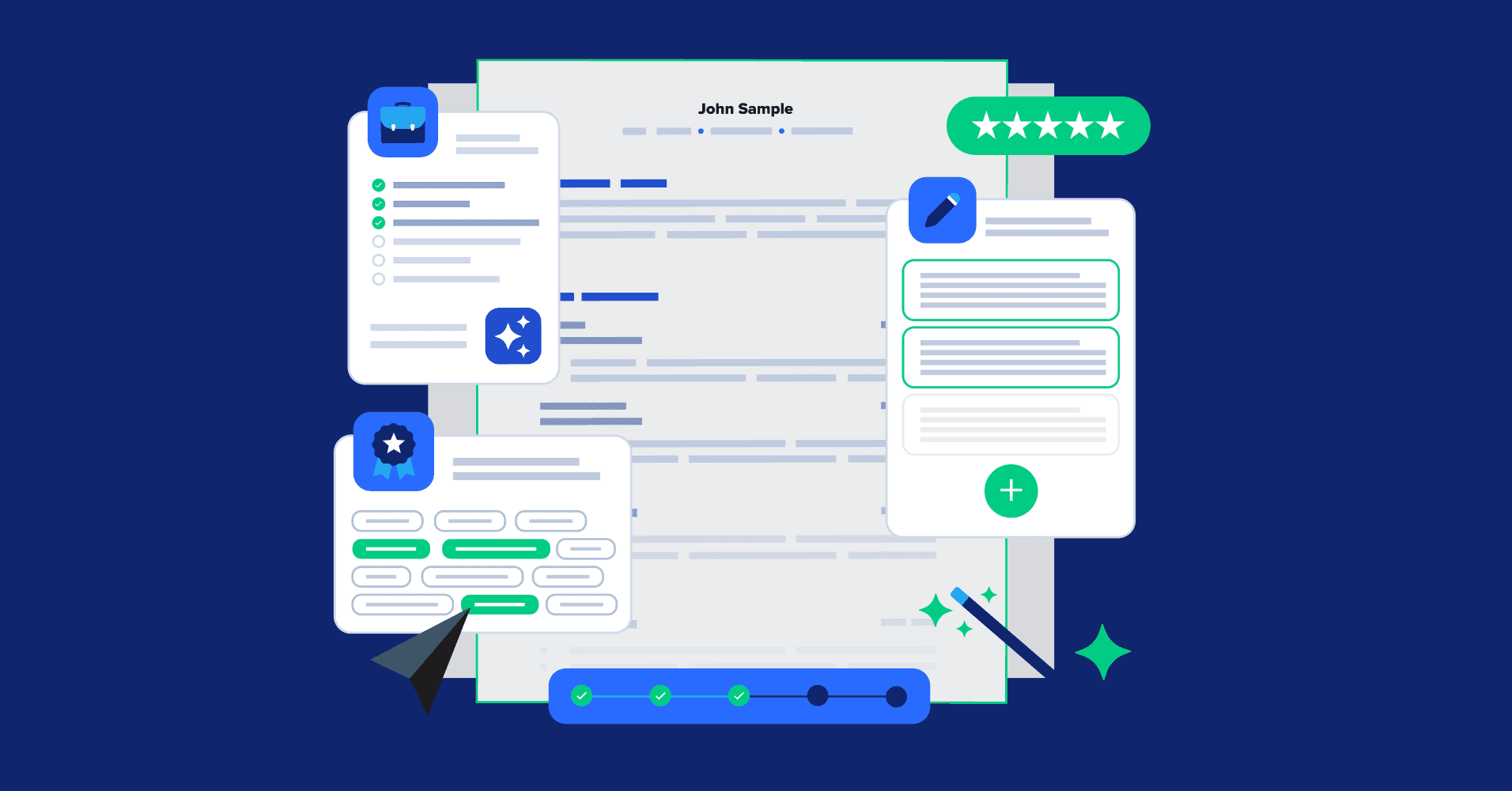
Toptal's AI resume builder can be of great help in creating your skills list aligned with the job you're targeting. In addition to extracting the skills present in your work experience, it also suggests relevant ones that will add value to your resume and strengthen your application.
The most relevant skills for a resume can vary significantly by industry or role. Below, you'll find skills examples for the most common resume types, with links to specific resume examples.
Software Engineer
Resumes for software engineers always include technical skills (tools and competencies such as Python, JavaScript, AWS, Docker, CI/CD pipelines, system design, and so on), as the stack helps recruiters instantly understand their professional profile. It's also common to group skills by category instead of listing tools randomly.
Registered Nurse
For a registered nurse resume, list the skills that show your main professional competencies, as well as those that demonstrate how you work with people. The most common ones would be patient assessment and education, medication administration, electronic health records, care coordination, ACLS, and infection prevention.
Data Analyst
When it comes to data analyst resume skills, they typically combine technical skills like SQL, Tableau, Power BI, Excel, and databases such as PostgreSQL and BigQuery, with soft skills that demonstrate collaboration and communication.
Project Manager
The skills section in a project manager's resume usually includes core skills related to project management (budget oversight, risk mitigation, or cost allocation), as well as industry-relevant tools such as Jira or Trello, and methodologies like Lean, Waterfall, and Agile.
Teacher
Core skills in a teacher's resume typically include their classroom competencies: classroom management, differentiated instruction, IEP implementation, curriculum development, student assessment, and so on. On the other hand, their technical skills may include knowledge of tools like Google Classroom or Schoology. Soft skills are essential in education, so the resume should mention skills like communication with parents or conflict resolution.
Customer Service Representative
For customer service representatives, the most important skills for a resume are ticket management, CRM management, de-escalation, active listening, and problem-solving, along with any platforms used, such as Zendesk or Salesforce Service Cloud. If you have experience working across different support channels, name them.
Security Guard
In security guard resumes, the skills section should showcase knowledge of security operations and safety procedures. Skills commonly found on a security guard's resume include surveillance monitoring, access control, CCTV monitoring, incident reporting, and emergency response.
Driver
Hard skills in driver resumes refer to job requirements such as route planning, safe driving practices, GPS navigation, and vehicle inspection. Additionally, soft or interpersonal skills, such as customer service and communication, add value to driver resumes.
Business Resumes
Skills on any business resume depend on the specific role, and a business analyst or data analyst should include skills such as data analysis and documentation, as well as tools and platforms like SQL, Tableau, or Power BI. On the other hand, finance professionals should focus on industry-specific technical financial skills, such as budgeting and forecasting.
Student Resumes
When it comes to student resumes, the skill list varies depending on the target position the candidate is applying for. The best strategy is to study the job posting carefully and include all the skills that match your experience, whether it's from academic projects or other professional engagements.
For more role-specific guidance by role, explore our complete collection of resume examples across industries and career levels.
Applicants usually think that the most important resume section for showcasing skills is a dedicated skills section. While it's important to use resume templates that include one, there are other sections of the resume where demonstrating your skills is equally important, or even more so.
Dedicated skills section
This section is the most common placement for skills, usually right after the work experience section or near the top, after the professional summary. The cleanest way to list them is as a comma-separated list, but there are other options, such as vertical lists in one or more columns. In some cases, it's common to group them into categories, which is acceptable for a diverse skill set.
Professional summary
Although this section should not be long and detailed, the professional summary is a good place to mention your strongest and most relevant skills. Weave one to three skills in the line that specifies your specialization, always having in mind the target job and its most important requirements.
Work experience
Mentioning your skills in the bullet points of your work experience section is a powerful way to demonstrate your competencies. Instead of listing them, you should explain how you used your skills to achieve certain results. Using a skill in action is more effective than simply listing them without context.
ATS scanners analyze resumes to find specific keywords, which are most often the skills required for a job. Your best strategy is to read the job description carefully and include as many skills as possible. Of course, the point isn't to copy the words from the job posting: they should be true to your experience, and you should demonstrate how you used them in your past work.
You don't necessarily need to use the exact wording from the ad because modern ATS software, which is increasingly AI-powered, uses semantic matching and understands context and synonyms. Describe your experience naturally, without keyword stuffing. Repeating a skill ten times in one entry can be flagged as manipulative and won't do you any good.
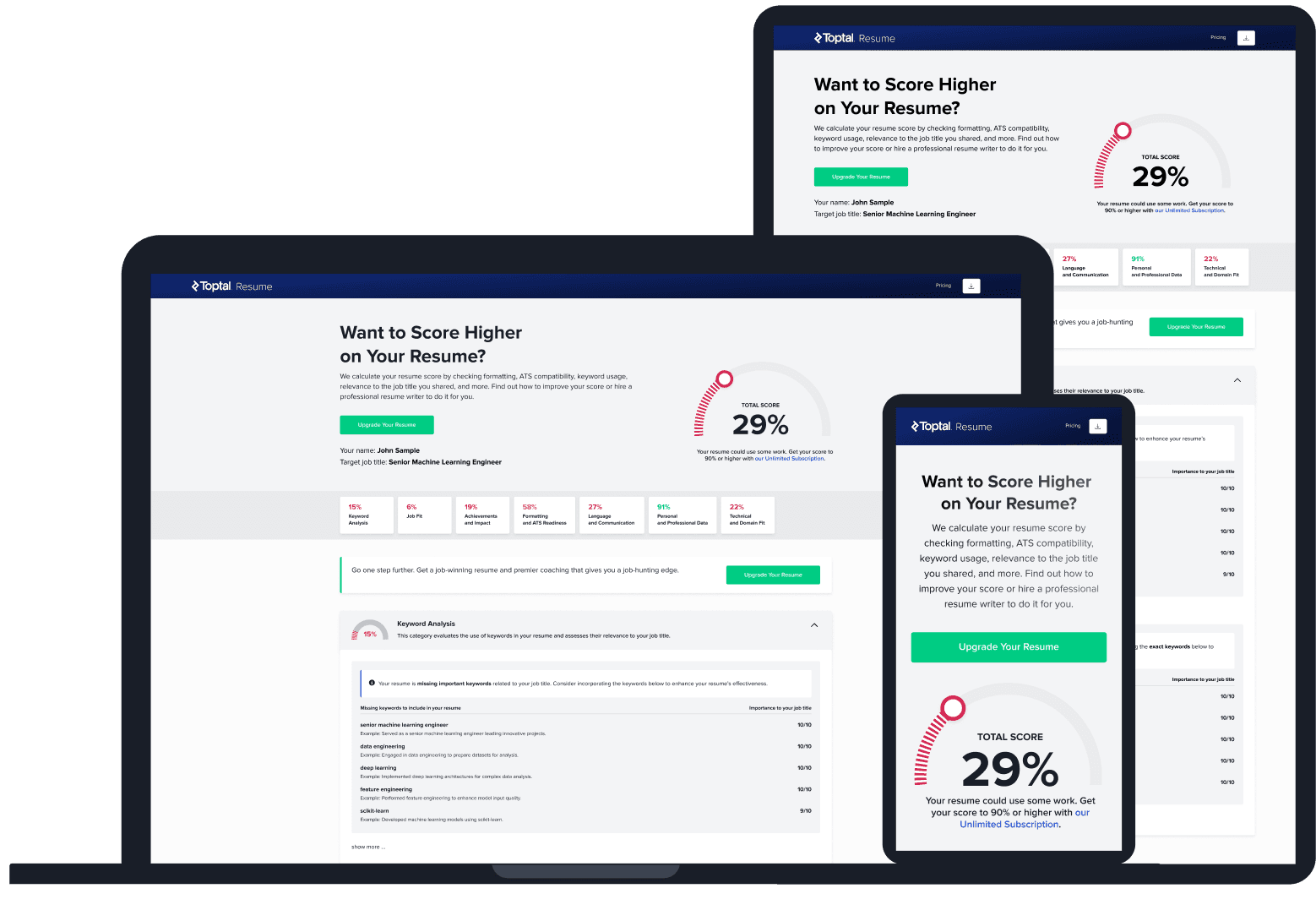
Before you submit your resume, pass it through Toptal Resume's ATS score checker, which can help you identify which required skills and keywords for your target job are missing and should be included in your resume.
Here are the five most common mistakes that we see in resume writing when it comes to resume skills:
- Listing generic skills without context. Including skills like "teamwork" or "communication" in the skills section alone doesn't add much value.
- Including outdated and irrelevant skills. In 2026, Microsoft Word as a skill can make you look unaware of what's important.
- Not tailoring the skills section per application. Not aligning it with the job requirements likely means a missed ATS-matching opportunity.
- Confusing personal traits for skills. Being passionate and hard-working is great, but it tells recruiters nothing about your qualifications.
Knowing which skills to include in your resume is the first step, and you should be careful about where you place them, how you describe them, and how you tailor them. Toptal's AI resume builder can help by guiding you through each section with suggestions tailored to your role and experience level.