

Hire Prototype Designers
Hire the Top 3% of Freelance Prototype Designers
Hire prototype designers, on demand. From interactive wireframes and high-fidelity UI mockups to usability testing and rapid modeling, Toptal prototype designers create functional, testable designs that streamline development and accelerate time-to-market.
Hire a Top Prototype Designer Now
No-Risk Trial, Pay Only If Satisfied.


 Prototype Designer






Hire Freelance Prototype Designers

Bill Stewart
Freelance Prototype Designer
Verified Expert in Design
Canada
Toptal Member Since November 19, 2021
Bill is a product design director and principal designer with 15+ years of experience delivering high-value outcomes for clients and customers. He excels as a player-coach design leader, mentor, and innovator through the PM-UX-ENG agile design process for B2B or B2C. Bill loves building value in fast-moving 0-1 startup-like environments and in established products. He has proven success in delivering the highest business value (ARR) and the highest user value (usability) through design.
Show More


Hugo Barbera
Freelance Prototype Designer
Verified Expert in Design
Spain
Toptal Member Since June 8, 2020
Hugo specializes in pro-grade AI creative work, with 16 years of experience in advertising, working with global icons like Nike, Volkswagen, Audi, Coca-Cola, Hugo Boss, & Vogue. His work has earned awards at major advertising festivals. He's delivered 30+ commercial AI projects & has been exhibited in Milan, Paris, & NYC. A seasoned keynote speaker, he inspired audiences at Digital Fashion Week Paris, Upscale Conf, & Cannes Lions, showcasing the transformative power of AI-driven creativity.
Show More




Guilherme Cerqueira
Freelance Prototype Designer
Verified Expert in Design
Brazil
Toptal Member Since January 27, 2022
Guilherme is a seasoned UI/UX product designer with over 15 years of experience. He has a proven track record designing products for millions of users at Booking.com and helping SaaS startups achieve success through user-centered design and data-informed solutions. Specializing in web and mobile design, design systems, conversational AI interfaces, and rapid prototyping with AI tools, his work has been used by major brands including GSK, Unilever, Danone, Nestlé, and BRF.
Show More



Carlo Ciccarelli
Freelance Prototype Designer
Verified Expert in Design
Luxembourg
Toptal Member Since November 1, 2021
Carlo is a skilled and versatile product designer with a passion for creating exceptional user experiences through SaaS and web design. With 13 years of experience, Carlo brings a unique blend of creativity and practicality to every project. His attention to detail and ability to bridge the gap between design and technology have resulted in numerous successful undertakings. Whether you're a startup or an established brand, Carlo is ready to bring his unique perspective to your next project.
Show More

Sven Read
Freelance Prototype Designer
Verified Expert in Design
Germany
Toptal Member Since September 27, 2021
Sven designs complex interfaces that feel simple, including AI platforms, energy management systems, medical devices, and financial dashboards. With over 20 years of experience, he works seamlessly in Figma and code, and uses AI tools to increase his speed by 5–10x. Sven builds scalable, living design systems, bringing senior expertise, startup-level speed, and a deep love for typography and clean interfaces.
Show More

Pete Mo
Freelance Prototype Designer
Verified Expert in Design
United Kingdom
Toptal Member Since January 15, 2021
Pete has 14+ years of experience across in-house design, startups, enterprises, and award-winning agencies like Ogilvy. His clients include British Airways, BT, Ford, and Virgin. He is an expert problem solver and creative thinker, skilled in digital strategy, wireframing, UI/UX design, design systems, and prototyping. Pete has transitioned his expertise from the world of big media agencies to the land of novelty fintech products—and his work elevates each client's design maturity and success.
Show More

Jeric Rey S. Echavez
Freelance Prototype Designer
Verified Expert in Design
Philippines
Toptal Member Since August 11, 2022
Jeric is a product designer specializing in AI-powered SaaS platforms. He designs intuitive workflows, conversational interfaces, and scalable systems that help users turn complex data into actionable insights. With experience across enterprise tools like Knoetic and Catio, Jeric partners closely with product and engineering teams to shape AI features, refine user interactions, and deliver thoughtful, high-impact product experiences.
Show More



Jeremy Laycock
Freelance Prototype Designer
Verified Expert in Design
Australia
Toptal Member Since July 14, 2022
Jeremy is a passionate designer who improves digital products through thoughtful, human-centered design. He reduces complexity through clear, intuitive UX, interaction, and visual design. With 15+ years’ UX/UI experience, he has worked with clients including ANZ, Telstra, MYER, OUA, AusDoc, PageUp, and Medibank. Jeremy's blend of UX and visual design expertise makes him a valuable asset to any team.
Show More


Damir Kotorić
Freelance Prototype Designer
Verified Expert in Design
Bosnia and Herzegovina
Toptal Member Since January 13, 2020
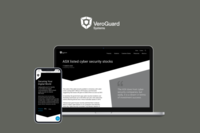
Damir is a multidisciplinary digital designer with 16 years of experience and Fortune 500 expertise. He designed open data portals for Australian state governments, the mobile payments user experience at Booking.com, and the search experience at Envato Market. Damir also led AR design efforts on digital humanities projects for professors at Harvard University, taught as the lead UX instructor at General Assembly, and led design efforts for startups around the world.
Show More

Tania Delongchamp
Freelance Prototype Designer
Verified Expert in Design
Japan
Toptal Member Since February 11, 2022
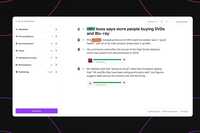
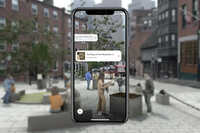
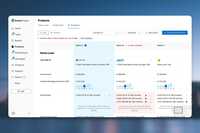
Tania is a senior UX designer with several years of industry experience in Canada, the US, the UK, and Japan. Her designs focus on creativity, usability, user experience, and user research. She has worked with small and large teams, including teams from Indeed and Rakuten. Tania has helped individuals, startups, and companies reach their goals with user-focused design.
Show More


Igor Savelev
Freelance Prototype Designer
Verified Expert in Design
Turkey
Toptal Member Since October 3, 2017
Igor is a user experience and interface designer with over 15 years of experience in mobile app design. He successfully shipped digital products for healthcare, fintech, social media, SaaS, and augmented reality companies. He has worked for well-known enterprises and startups that have grown into unicorns, such as adidas, Coca-Cola, ClickUp, and more.
Show More
Discover More Prototype Designers in the Toptal Network
Start HiringA Hiring Guide
Guide to Hiring a Great Prototype Designer
Prototype designers play a crucial role in product development by transforming abstract ideas into tangible, testable models. They enable teams to validate designs, gather user feedback, and make informed improvements before committing to full-scale development. Hiring a prototype designer for your organization can help ensure that products align with user needs and business objectives.
Read Hiring GuideToptal in the press
... allows corporations to quickly assemble teams that have the right skills for specific projects.

Despite accelerating demand for coders, Toptal prides itself on almost Ivy League-level vetting.

Our clients


Creating an app for the game


Leading a digital transformation


Building a cross-platform app to be used worldwide


Drilling into real-time data creates an industry game changer
Testimonials
How to Hire Prototype Designers Through Toptal
1
Talk to One of Our Client Advisors
A Toptal client advisor will work with you to understand your goals, technical needs, and team dynamics.
2
Work With Hand-selected Talent
Within days, we’ll introduce you to the right prototype designer for your project. Average time to match is under 24 hours.
3
The Right Fit, Guaranteed
Work with your new prototype designer for a trial period (pay only if satisfied), ensuring they’re the right fit before starting the engagement.
EXCEPTIONAL TALENT
How We Source the Top 3% of Prototype Designers
Our name “Toptal” comes from Top Talent—meaning we constantly strive to find and work with the best from around the world. Our rigorous screening process identifies experts in their domains who have passion and drive.
Of the thousands of applications Toptal sees each month, typically fewer than 3% are accepted.
Capabilities of Prototype Designers
Prototype designers turn ideas into experiences—fast. With expert command of tools like Figma, InVision, and Adobe XD, they craft interactive UX/UI prototypes that generate feedback on micro-interactions and user flows, validating ideas and ensuring cross-functional alignment. By combining imagination and implementation know-how, they accelerate decision-making and shape bold concepts into tangible market-ready products.
Interactive Wireframe Development
Clickable wireframes help teams visualize interface structure and user flow before committing to detailed design or full-scale development. Our prototype designers use tools like Figma or Axure to model early-stage layouts that clarify functionality and inform collaboration.
Concept Definition and Visualization
Design mockups give shape to abstract requirements, serving as visual concepts that unite teams around a shared vision. Toptal prototype designers distill complex user stories into structured screens and flows that communicate core functionality and layout at a glance.
High-fidelity Prototype Creation
When prototypes deliver a near-real experience, teams can verify assumptions and validate design choices with greater confidence through realistic user testing. Our prototype designers craft interactive mockups with refined visuals and behaviors that mirror the final product and enable informed design decisions.
Collaborative Design Alignment
The most effective prototypes emerge from close collaboration with UX researchers and UI designers. Our prototype designers align their work with broader design efforts to strengthen the overall product experience and ensure consistency with branding, usability standards, and accessibility guidelines.
Prototype Usability Validation
Interactive prototypes offer a realistic opportunity for ground-truthing design decisions. Toptal prototype designers create test-ready mockups that generate focused feedback, uncover usability issues early in the cycle, and reduce risk by ensuring products align with real user needs.
Feedback-driven Design Iteration
Rapid iteration relies on continuous feedback loops that keep decision-making aligned with development speed. Drawing on Agile practices, our prototype designers quickly update flows, layouts, and interactions based on stakeholder or user input to translate feedback into fast, actionable improvements.
Prototype Interaction Documentation
Thoroughly documented prototypes reduce miscommunication and accelerate handoff between designers and developers. Our prototype designers annotate interaction logic, animations, and transitions to guide engineering teams in implementing designs with accuracy and consistency.
Stakeholder Design Demonstrations
Prototypes are powerful tools for securing buy-in from stakeholders and expediting approval processes. Our prototype designers confidently lead presentations and demo sessions and use interactive visuals to clarify design choices and build consensus.
Alternative Design Exploration
Evaluating alternative design paths mitigates risk by revealing weaknesses early and surfacing stronger solutions. Toptal prototype designers produce variant mockups that make UX strategies directly comparable and equip teams to make design choices with clarity and confidence.
Design System Integration
Design systems with reusable components and visual standards are critical to delivering cohesive user experiences. Our prototype designers leverage existing libraries and extend them when needed to ensure prototypes remain scalable and ready for efficient implementation.
FAQs
Typically, you can hire prototype designers with Toptal in about 48 hours. For larger teams of talent or full end-to-end project delivery, timelines may vary. Our talent matchers are highly skilled in the same fields they’re matching in—they’re not recruiters or HR reps. They’ll work with you to understand your goals, technical needs, and team dynamics, and match you with ideal candidates from our vetted global talent network.
Once you select your prototype designer, you’ll have a no-risk trial period to ensure they’re the perfect fit. Our matching process has a 98% trial-to-hire rate, so you can rest assured that you’re getting the best fit every time.
To hire the right prototype designer, it’s important to evaluate a candidate’s experience, technical skills, and communication skills. You’ll also want to consider the fit with your particular industry, company, and project. Toptal’s rigorous screening process ensures that every member of our network has excellent experience and skills, and our team will match you with the perfect prototype designers for your project.
At Toptal, we thoroughly screen our prototype designers to ensure we only match you with the highest caliber of talent. Of the more than 200,000 people who apply to join the Toptal network each year, fewer than 3% make the cut.
In addition to screening for industry-leading expertise, we also assess candidates’ language and interpersonal skills to ensure that you have a smooth working relationship.
When you hire prototype designers with Toptal, you’ll always work with world-class, custom-matched prototype designers ready to help you achieve your goals.
You can hire prototype designers on an hourly, part-time, or full-time basis. Toptal can also manage the project end-to-end based on your specific requirements as part of our Consulting and Services offerings. Whether you hire a prototype designer for a full- or part-time position, you’ll have the control and flexibility to scale your team up or down as your needs evolve. Our prototype designers can fully integrate into your existing team for a seamless working experience.
We make sure that each engagement between you and your prototype designer begins with a trial period of up to two weeks. This means that you have time to confirm the engagement will be successful. If you’re completely satisfied with the results, we’ll bill you for the time and continue the engagement for as long as you’d like. If you’re not completely satisfied, you won’t be billed. From there, we can either part ways, or we can provide you with another prototype designer who may be a better fit and with whom we will begin a second, no-risk trial.
Explore Related Toptal Services
Looking for an end-to-end business solution? Browse Toptal's portfolio of services.
Product Design ServicesMobile App Design ServicesWeb App Design ServicesUX/UI Design ServicesSoftware Prototyping ServicesWeb Design ServicesResponsive Web Design ServicesUX Research ServicesGraphic Design ServicesDigital Customer Experience ServicesBrand Design ServicesProduct Development Consulting
How to Hire Prototype Designers
Demand for Prototype Designers Continues to Expand
As innovation accelerates across industries, AI-driven tools are reshaping design workflows and accelerating rapid prototyping. Yet while automation streamlines repetitive tasks, organizations still rely on human-centered prototype designers to ensure creativity, usability, and strategic alignment. Technology, consumer products, e-commerce, app development teams, healthcare, and architecture companies increasingly use prototypes to validate assumptions, explore AI-assisted solutions, and reduce costly development errors.
The global prototyping software market reached $1.2 billion in 2024 and is forecast to grow to $3.18 billion by 2029 at a compound annual growth rate of 21.3%. This surge reflects the growing demand for prototype designers who can leverage advanced tools to create low- and high-fidelity models, facilitate user testing, and collaborate across cross-functional teams. It also aligns with a broader shift toward design-driven decision-making, where prototyping is both a creative and strategic discipline.
Despite the importance of skilled prototype designers, identifying candidates who combine technical expertise with creativity and business understanding can be challenging. This guide provides actionable insights to help companies hire prototype designers who bring clarity, speed, and innovation to product development.
What Attributes Distinguish Quality Prototype Designers From Others?
When hiring prototype designers at the top of their game, you’ll want someone who demonstrates technical fluency and creative problem-solving. The following attributes distinguish standout professionals:
Prototyping Tool Mastery: Effective prototype designers are skilled in platforms like Figma, Axure, and Sketch for 2D concept design and interactive prototyping. (Adobe XD is still used in some workflows, but Adobe no longer develops new features for it.) They may also use Adobe Photoshop for asset preparation and visual mockups when needed. For physical products, some designers also support 3D design, 3D modeling, and 3D printing using specialized tools. The best candidates know when to apply low-fidelity wireframes versus interactive, high-fidelity prototypes. Candidates with experience integrating prototypes into development pipelines using tools like Zeplin can streamline collaboration with developers across app development, web development, and broader software development.
User-centered Design Mindset: Strong prototype designers prioritize user experience in every model they build. They employ UX principles to ensure usability, accessibility, and simple navigation across the user interface. In addition to applying design heuristics and conducting or interpreting usability testing, candidates should be able to modify prototypes in response to user feedback. Reference points like Nielsen Norman Group’s usability heuristics offer standard frameworks for evaluating usability and guiding iterative optimization.
Iterative and Agile Thinking: Quality prototype designers embrace rapid iteration. They are comfortable with ambiguity and produce quick drafts to validate ideas before investing in detail. Rapid prototyping helps them test assumptions early and reduce rework. Look for candidates who conduct design sprints, thrive in Agile workflows, and modify prototypes in response to changing needs. Training with resources like IDEO U or Google Design Sprint Kit can sharpen these skills.
Cross-disciplinary Collaboration: Prototypes are rarely created in isolation. Strong designers work closely with stakeholders, developers, and product managers to shape solutions. They understand business requirements, communicate design intent clearly, and adapt their work to balance technical feasibility and creative vision. Familiarity with tools like Miro, FigJam, or Lucidchart can further enhance collaboration.
Creative Problem-solving: Outstanding prototype designers take a creative approach to problems beyond technical execution. They can convert intangible concepts into concrete designs that stimulate creativity and encourage dialogue. Candidates who demonstrate a firm grasp of design thinking methodologies, such as those outlined by the Stanford d.school, will add long-term value to any product team.
How Can You Identify the Ideal Prototype Designer for You?
Hiring the right prototype designer depends on your organization’s project scope, product maturity, and innovation goals. It’s important to identify candidates whose skill level and industry experience align with the unique demands of your workflow and team structure.
Guidance on Assessing the Right Level of Experience for a Project
Prototype designers come with a wide range of experience levels, and understanding what each level brings can help you make the right hiring decision for your specific project needs. From quick exploratory mockups to enterprise-level design strategy, the scope of work should guide the level of expertise you seek.
Junior prototype designers with one to two years of experience typically focus on wireframing and low-fidelity mockups. They are ideal for supporting teams with defined design systems or projects needing rapid sketch-level prototypes.
Mid-level prototype designers often have three to five years of experience. They can create low- and high-fidelity prototypes, conduct usability testing, and collaborate independently with developers and stakeholders. They are suited for organizations that need polished prototypes to validate complex workflows.
Senior prototype designers bring deep experience across industries and design methods, drawing from at least six years of hands-on design and leadership experience. They are able to mentor teams, direct prototyping strategy, and align prototypes with business goals while keeping designs user-friendly. These candidates frequently develop design guidelines, assess prototyping tools, and incorporate findings from research into innovation processes.
Factors Influencing the Cost of Hiring Prototype Designers
The cost to hire prototype designers can vary widely depending on the industry, the complexity of the project, whether you’re hiring freelancers or in-house resources, and the designer’s level of expertise. You should expect to pay more if your project calls for advanced interactivity or prototypes across multiple platforms, such as mobile, web, or AR/VR. Pricing may also increase when the scope includes 3D modeling or 3D printing for physical products. Designers who bring specialized knowledge in regulated industries like healthcare or fintech, or who can collaborate closely with mechanical engineering teams on 3D modeling for physical products, often charge higher rates. Location and availability also play a role, with senior professionals in competitive markets typically commanding top-tier fees.
Challenges in Verifying the Expertise of Prototype Designers
Portfolios are the primary window into a prototype designer’s capabilities, but polished visuals don’t always reflect usability or strategic value. To assess expertise accurately, ask for case studies that walk through the designer’s process, the tools they used, and the role their prototypes played in shaping project outcomes. If the role includes 3D modeling or 3D printing for a new product, look for case studies that document constraints, iteration cycles, and how prototype learnings influenced the final direction. Setting up a short trial project or design exercise can also reveal how a candidate thinks, iterates, and collaborates in real time. Certifications from organizations such as the Interaction Design Foundation, IDEO U, or Nielsen Norman Group can add credibility but should be weighed against practical impact.
How to Write a Prototype Designer Job Description for Your Project
When writing a job description to hire prototype designers, clarity is essential. Define the prototypes needed (low-fidelity sketches, interactive high-fidelity models, AR/VR simulations), the project’s objectives, whether you’re seeking freelancers or an in-house hire, and the expected collaboration with other teams. In addition to technical expertise, highlight complementary skills that support long-term success.
Complementary Skills for Prototype Designers
Visual Communication and Storytelling: Strong prototype designers communicate ideas visually and narratively. They should be able to transform abstract requirements into compelling prototypes that tell a story and align stakeholders around a shared vision. This includes attention to information hierarchy, typography, and interaction flow.
Project and Workflow Management: Look for candidates who can effectively integrate feedback, manage deadlines, and iterate rapidly. Prior experience with design sprints or Agile frameworks ensures that prototypes evolve seamlessly with product development. Resources like Atlassian’s Agile Coach are helpful references for evaluating this skill set. If hiring freelancers, ensure your project documentation is well-structured and centrally stored to support handoff to internal teams or future designers.
Testing and Feedback Integration: Top designers know how to use prototypes as validation tools, often leveraging platforms like UserTesting, Maze, or Optimal Workshop to gather insights and demonstrate that their work is user-friendly. They should also demonstrate experience conducting usability tests, interpreting feedback, and making adjustments in response to findings.
Collaboration and Facilitation: Prototype designers often facilitate workshops and brainstorming sessions, frequently using platforms like Mural and FigJam to support remote or hybrid collaboration. Applicants with strong communication and interpersonal skills can bridge the gap between teams, ensuring that prototypes reflect both technical feasibility and user needs.
Adaptability and Continuous Learning: Given the rapid evolution of design tools and methods, prototype designers must be adaptable. The best candidates stay updated through courses, industry events, and professional networks, ensuring their skills evolve with emerging technologies. UX design programs from platforms like Coursera, LinkedIn Learning, and General Assembly can support ongoing learning and professional growth.
What Are the Most Important Prototype Designer Interview Questions?
Asking thoughtful interview questions is crucial to assessing a candidate’s capacity for strategic thought, design expertise, application, and creativity. Below are key questions and the insights you should look for in responses:
Can you describe a prototype you designed that significantly influenced a project?
Look for candidates who explain the project context, goals, tools used, and how the prototype shaped decision-making. Strong responses should highlight collaboration with stakeholders and measurable impact. Top candidates will also articulate what decisions were made due to the prototype, such as validating a feature, pivoting away from an initial idea, or accelerating development. They should describe how user feedback was gathered (through testing or stakeholder input) and how it informed iterative changes and optimization. Ideally, they will connect their design decisions to business outcomes like improved engagement or faster time to market.
How do you decide between low-fidelity and high-fidelity prototypes?
Candidates should articulate how they balance speed, detail, and purpose throughout their engagements. The best responses explain that low-fidelity prototypes are helpful for early validation when exploring design changes or new product ideas, while high-fidelity prototypes are better for testing detailed interactions and stakeholder buy-in. Designers may choose low-fidelity prototypes for internal brainstorming or usability testing with early adopters, and switch to high-fidelity models when presenting to executives or developers. Listen for an understanding of trade-offs (such as speed versus precision) and how different fidelities serve distinct phases of the design process.
What’s your process for incorporating user feedback into prototypes?
Strong candidates will describe structured testing processes and tools, along with synthesis methods such as affinity mapping or feedback tagging. Ideally, they will walk through a real scenario where user input directly shaped a design change or resolved a previously unseen friction point. Candidates should also emphasize usability testing and data-informed iteration, especially when refining a product prototype.
How do you prioritize features when stakeholders have conflicting requests?
This question encourages candidates to explain how they evaluate and balance user needs, highlighting their negotiation and communication skills. Their response should demonstrate empathy for different stakeholder perspectives, whether it’s engineering, product, marketing, or leadership, and explain how they leverage analytics and testing to support prioritization decisions. For physical products, strong candidates should also factor in prototyping costs, such as iteration cycles for 3D printing, materials, and lead times, when deciding what to validate first. This type of cost awareness shows they understand the broader business context and can align validation work with leadership expectations. Candidates will often include stories about setting clear expectations and managing feedback loops without derailing project timelines.
How do you collaborate with developers to ensure prototypes are feasible?
In a typical product workflow, designers hand off prototypes to developers using tools like Figma or Zeplin, often accompanied by documentation, design tokens, and annotations that clarify behavior and interaction logic. Yet, the best answers may describe how the candidate engages with developers early in the design process to gather technical input and adapt designs based on feasibility constraints. They might also describe using structured handoff systems to reduce ambiguity. Ideally, their real-world examples will illustrate how collaboration led to smoother implementation and prevented costly rework.
Can you tell us about a prototype you created that failed in testing?
This question is designed to uncover resilience, adaptability, and a growth mindset. Strong candidates won’t shy away from discussing failures. They’ll explain the context of the project, what went wrong, and how they diagnosed the issues. The best responses will provide evidence of critical reflection, a structured approach to iteration, and the ability to transform setbacks into opportunities for innovation and improved user outcomes. For physical products, strong answers may also highlight how identifying issues through 3D modeling or 3D printing prevented costly changes later in development.
How do you stay updated on prototyping tools and design trends?
Top candidates will describe a mix of professional development, participation in design communities, and structured learning through courses, certifications, or workshops. Look for evidence that they are proficient with industry-standard tools like Adobe Photoshop, and they adapt quickly to evolving design ecosystems by experimenting with tools like Figma, Framer, or emerging AI-assisted prototyping platforms. For physical products, strong candidates may also stay current on adjacent workflows, like 3D design, 3D modeling, and 3D printing, especially when prototypes need to be validated for form, fit, and usability in the real world. Candidates who stay connected to resources such as Smashing Magazine or UX Collective demonstrate a commitment to keeping their skills sharp and relevant.
Why Do Companies Hire Prototype Designers?
Organizations hire prototype designers to drive product innovation while reducing product development risks and delivering stronger user experiences. By producing testable models early in the process, prototype designers help teams catch issues, validate assumptions, and refine ideas before investing significant time and budget. Prototypes also give stakeholders a clear picture of the product direction, keeping everyone aligned.
However, the value of prototype designers goes well beyond efficiency. They blend technical expertise with user empathy and visual storytelling, making them especially valuable in industries where experience is the product. From shaping new digital platforms to building functional prototypes for app development and web experiences, to developing physical products or experimenting with emerging technologies, skilled prototype designers help organizations de-risk bold ideas and bring differentiated products to market faster.
Featured Toptal Prototype Design Publications





Top Prototype Designers Are in High Demand.