

Hire Shopify Designers
Hire the Top 3% of Freelance Shopify Designers
Hire Shopify designers, on demand. Top companies and startups choose Shopify designers from Toptal to deliver custom themes, create seamless checkout experiences, design mobile-friendly layouts, and more.
Hire a Top Shopify Designer Now
No-Risk Trial, Pay Only If Satisfied.









Hire Freelance Shopify Designers

Charles Matthew Atos
Freelance Shopify Designer
Verified Expert in Design
Philippines
Toptal Member Since September 9, 2022
Charles is an expert brand strategist, product designer, and art director with 10 years of professional design experience in branding, marketing, and advertising. He has worked with SMEs, startups, and companies such as Coca-Cola, Netflix, Spotify, TikTok, ING, Unilever, Nestlé, H&M, Jollibee, and many more. Charles specializes in crafting winning stories and human-centric experiences through purposeful brand strategies and identity design, visual direction, and UI/UX design.
Show More


Hugo Barbera
Freelance Shopify Designer
Verified Expert in Design
Spain
Toptal Member Since June 8, 2020
Hugo specializes in pro-grade AI creative work, with 16 years of experience in advertising, working with global icons like Nike, Volkswagen, Audi, Coca-Cola, Hugo Boss, & Vogue. His work has earned awards at major advertising festivals. He's delivered 30+ commercial AI projects & has been exhibited in Milan, Paris, & NYC. A seasoned keynote speaker, he inspired audiences at Digital Fashion Week Paris, Upscale Conf, & Cannes Lions, showcasing the transformative power of AI-driven creativity.
Show More




Matt Barringer
Freelance Shopify Designer
Verified Expert in Design
United Kingdom
Toptal Member Since March 29, 2016
Matt is an illustrator and designer who loves creative coding and animation. He loves to solve problems in the digital space and hopefully tell a story along the way. He has over a decade of professional experience working with film and TV companies to produce branded websites, data visualization, and infographics for news items, as well as on-air title sequences and GFX.
Show More


Vittoria Di Giusto
Freelance Shopify Designer
Verified Expert in Design
Malta
Toptal Member Since August 15, 2022
Vittoria is a creative designer with over a decade of experience in different industries and roles, from graphic design, branding, and marketing to UI/UX, product design, and art direction. Vittoria's achievements as a designer, illustrator, and art director across different industries, such as advertising, beauty and fashion, finance, and education, are rooted in constant and growing curiosity about the world, people, technology, and the arts.
Show More



Abdulhameid Grandoka
Freelance Shopify Designer
Verified Expert in Design
Jordan
Toptal Member Since April 11, 2022
Abdulhameid is a top UX design expert with over 20 years of experience delivering results for global brands like IBM, Publicis Sapient, and Devoteam. His award-winning designs have directly increased client revenue by hundreds of thousands of dollars each month, and he's won numerous awards and recognitions. Abdulhameid's deep understanding of human psychology and technical skills enable him to craft seamless user experiences that captivate users and drive engagement.
Show More


Enzo Yu Deng
Freelance Shopify Designer
Verified Expert in Design
Italy
Toptal Member Since August 3, 2020
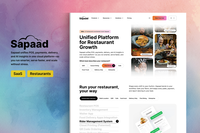
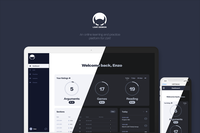
Enzo is a product and UI/UX designer with eight years of experience designing complex B2B2C SaaS products. He's contributed to service design, product design, and UI/UX phases of various platforms and has developed a solid understanding of B2B2C SaaS products and dashboard UX. Enzo is experienced in eCommerce, booking systems, and engineering software.
Show More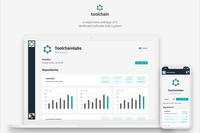

Alexandre Santos
Freelance Shopify Designer
Verified Expert in Design
Brazil
Toptal Member Since October 26, 2021
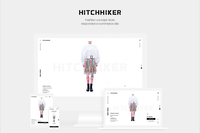
With nine years of experience as a product designer in the B2B and B2C space, Alexandre specializes in creating human-centered experiences with meticulous attention to visual details. His extensive experience spans government, banking, eCommerce, insurance, retail, distribution, and tech companies.
Show More


Jun Kim
Freelance Shopify Designer
Verified Expert in Design
South Korea
Toptal Member Since June 29, 2016
With over a decade of experience in product UI/UX design and brand experience design, Kim has had the opportunity to work with a diverse range of teams and companies from Hong Kong, Singapore, South Korea, the UAE, Europe, and the USA. In addition, Kim is well-versed in design principles, color theory, and typography and leverages these elements to create consistent and effective design solutions.
Show More




Golshid Yazdi
Freelance Shopify Designer
Verified Expert in Design
Turkey
Toptal Member Since July 23, 2022
Golshid Yazdi is a senior UI/UX designer and illustrator with six years of experience, sustaining a history of over 50 successful brandings and over 100 web and web app designs. Golshid Yazdi has collaborated as an illustrator with web design companies to redesign web pages, illustrating visual web packages released on the online markets. She has worked as an NFT illustrator, concept designer, and digital painter.
Show More



Alia Knowlan
Freelance Shopify Designer
Verified Expert in Design
United States
Toptal Member Since September 20, 2018
With 10+ years of experience, Alia has led creative roles across the board—from design directing at mental health startup Brightside Health to visual design at frog to branding and product design for large and small-scale clients. As an all-around visual communicator, Alia works across product design, UI/UX, design research, branding, and marketing. She has partnered with a range of organizations, including healthcare, retail, media, eCommerce, banking, entertainment, and education.
Show More




Damir Kotorić
Freelance Shopify Designer
Verified Expert in Design
Bosnia and Herzegovina
Toptal Member Since January 13, 2020
Damir is a multidisciplinary digital designer with 16 years of experience and Fortune 500 expertise. He designed open data portals for Australian state governments, the mobile payments user experience at Booking.com, and the search experience at Envato Market. Damir also led AR design efforts on digital humanities projects for professors at Harvard University, taught as the lead UX instructor at General Assembly, and led design efforts for startups around the world.
Show More



Discover More Shopify Designers in the Toptal Network
Start HiringA Hiring Guide
Guide to Hiring a Great Shopify Designer
Shopify designers create buyer-centric storefronts that blend visual appeal with conversion-focused user experience techniques. Toptal Shopify experts combine theme customization, mobile-first UX, and e-commerce strategy to design high-performing online stores tailored to your brand’s unique product, audience, and growth goals.
Read Hiring GuideToptal in the press
... allows corporations to quickly assemble teams that have the right skills for specific projects.

Despite accelerating demand for coders, Toptal prides itself on almost Ivy League-level vetting.

Our clients


Creating an app for the game


Leading a digital transformation


Building a cross-platform app to be used worldwide


Drilling into real-time data creates an industry game changer
Testimonials
How to Hire Shopify Designers Through Toptal
1
Talk to One of Our Client Advisors
A Toptal client advisor will work with you to understand your goals, technical needs, and team dynamics.
2
Work With Hand-selected Talent
Within days, we’ll introduce you to the right Shopify designer for your project. Average time to match is under 24 hours.
3
The Right Fit, Guaranteed
Work with your new Shopify designer for a trial period (pay only if satisfied), ensuring they’re the right fit before starting the engagement.
EXCEPTIONAL TALENT
How We Source the Top 3% of Shopify Designers
Our name “Toptal” comes from Top Talent—meaning we constantly strive to find and work with the best from around the world. Our rigorous screening process identifies experts in their domains who have passion and drive.
Of the thousands of applications Toptal sees each month, typically fewer than 3% are accepted.
Capabilities of Shopify Designers
Shopify designers create customized, visually compelling, data-driven, responsive storefronts that convert. They combine the functionality of seamless navigation, optimized checkout flows, and mobile-first performance with theme customization, brand aesthetics, and user experience best practices to increase engagement, reduce bounce rates, and drive sales on the Shopify platform.
Custom Shopify Themes
Customized Shopify builds or themes solidify brand identity and support e-commerce business goals. A Shopify designer knows how to mesh brand aesthetics with performance, ensuring visual consistency and functional alignment with business goals across the buyer journey.
Conversion-focused Storefront Design
Effective storefront design layouts keep buyers engaged at each step in the purchasing journey and drive conversions. Shopify designers make visual and structural decisions for homepages, product pages, and collection pages to effectively showcase site offerings and guide user flow to conversion.
Mobile-optimized Shopping Experiences
An optimized, mobile-friendly design results in better browsing and purchasing interactions on smaller screens. Shopify designers adapt images and layouts with mobile users in mind, preserving the brand experience while delivering fast, intuitive shopping interactions across mobile devices.
E-commerce UX Best Practices
A seamless buyer experience leads to better conversion rates. By applying proven e-commerce UX principles, Shopify designers simplify storefront navigation, streamline the checkout process, and reduce friction throughout the buyer journey.
Product and Checkout Page Customization
Improve buyer trust and create urgency with tailored product details and checkout pages. By strategically placing product reviews, guarantees, and calls to action on product and checkout pages, Toptal’s Shopify Designers improve buyer confidence and fuel action.
Brand-integrated Store Design
Having a consistent brand identity across all assets builds buyer recognition and trust. Shopify designers work to seamlessly integrate brand colors, typography, imagery, and tone of voice throughout the store design, creating a cohesive and memorable brand experience for buyers.
Promotional Campaign Design
Well-designed promotional assets create interest without disrupting the user journey. Shopify designers craft engaging banners, pop-ups, and promotional graphics within Shopify to match buyer intent in support of sales events, product launches, and seasonal campaigns.
Conversion-focused Testing
Testing and evaluating store design performance results in intelligent updates that boost sales. By using A/B testing, heatmaps, and other analytics to gauge design performance, Shopify designers can identify and implement data-driven changes that increase sales conversions.
Store Theme Accessibility Compliance
Making store design accessible to all users means serving every buyer well. Shopify designers understand how to apply WCAG (Web Content Accessibility Guidelines) principles to ensure compliance and accessibility for all shoppers, including users of assistive technologies.
Collaborative Execution
Clear communication with all stakeholders allows for smooth, efficient implementation. Toptal’s Shopify designers work closely with developers and store owners to communicate design intent and deliver assets in alignment with business objectives.
FAQs
Typically, you can hire Shopify designers with Toptal in about 48 hours. For larger teams of talent or full end-to-end project delivery, timelines may vary. Our talent matchers are highly skilled in the same fields they’re matching in—they’re not recruiters or HR reps. They’ll work with you to understand your goals, technical needs, and team dynamics, and match you with ideal candidates from our vetted global talent network.
Once you select your Shopify designer, you’ll have a no-risk trial period to ensure they’re the perfect fit. Our matching process has a 98% trial-to-hire rate, so you can rest assured that you’re getting the best fit every time.
To hire the right Shopify designer, it’s important to evaluate a candidate’s experience, technical skills, and communication skills. You’ll also want to consider the fit with your particular industry, company, and project. Toptal’s rigorous screening process ensures that every member of our network has excellent experience and skills, and our team will match you with the perfect Shopify designers for your project.
At Toptal, we thoroughly screen our Shopify designers to ensure we only match you with the highest caliber of talent. Of the more than 200,000 people who apply to join the Toptal network each year, fewer than 3% make the cut.
In addition to screening for industry-leading expertise, we also assess candidates’ language and interpersonal skills to ensure that you have a smooth working relationship.
When you hire Shopify designers with Toptal, you’ll always work with world-class, custom-matched Shopify designers ready to help you achieve your goals.
You can hire Shopify designers on an hourly, part-time, or full-time basis. Toptal can also manage the project end-to-end based on your specific requirements as part of our Consulting and Services offerings. Whether you hire a Shopify designer for a full- or part-time position, you’ll have the control and flexibility to scale your team up or down as your needs evolve. Our Shopify designers can fully integrate into your existing team for a seamless working experience.
We make sure that each engagement between you and your Shopify designer begins with a trial period of up to two weeks. This means that you have time to confirm the engagement will be successful. If you’re completely satisfied with the results, we’ll bill you for the time and continue the engagement for as long as you’d like. If you’re not completely satisfied, you won’t be billed. From there, we can either part ways, or we can provide you with another Shopify designer who may be a better fit and with whom we will begin a second, no-risk trial.
How to Hire Shopify Designers
Demand for Shopify Designers Continues to Expand
As more businesses embrace direct-to-consumer models, Shopify has emerged as a dominant platform. It powers more than 5.5 million live stores, accounting for 29% of all e-commerce websites globally. Its adoption spans industries such as fashion, beauty, electronics, food, and digital products. In 2024, Shopify generated $8.88 billion in total revenue, marking a 26% year-over-year increase. This rapid growth underscores the rising demand for experienced Shopify designers who can craft storefronts that convert and scale.
However, finding a talented Shopify designer is no easy task. Store design is notoriously complex, and few designers truly understand how to optimize for performance, brand identity consistency, and buyer psychology within Shopify’s ecosystem. The best designers go beyond unique brand visuals; they customize themes, optimize layouts, improve navigation, and refine visual hierarchy to reduce friction and increase conversion.
This guide will help you hire Shopify experts for your business. We’ll cover the traits that set top candidates apart, how to align experience levels with project scope, what to include in a compelling job post, and which interview questions reveal practical skills and true Shopify expertise.
What Attributes Distinguish Quality Shopify Designers From Others?
A high-performing Shopify designer knows how their design choices influence conversion, retention, and user experience across the buyer journey. They tailor each visual and structural decision to business needs—whether that’s maximizing average order value, simplifying mobile checkout, or ensuring a storefront aligns with a brand’s personality.
Top Shopify designers balance aesthetics with performance. They don’t just install a theme—they rework it to serve a specific customer profile, optimize product page layouts for scannability, tune CTAs to match buyer intent, and structure navigation to support merchandising strategies.
The best Shopify designers are also familiar with the platform’s limitations and capabilities, which means they know what’s possible in the theme editor, when to use sections or metafields, and how to use Liquid templating without sacrificing design integrity. They are also proactive collaborators who know how their work impacts marketing, content teams, and development (especially when custom features are involved).
Complementary Skills of Leading Shopify Designers
Theme Customization with Liquid: Top designers are comfortable editing templates using Liquid, Shopify’s open-source templating language. They go beyond default theme settings to tweak layouts, modify product displays, and create custom designs and unique page templates without relying on developers.
Mobile-first Responsive Design: Mobile accounts for the majority of Shopify traffic. Leading designers prioritize responsive web design and know how to create touch-friendly navigation, optimize mobile load times, and streamline content for vertical screens.
Conversion Rate and Performance Optimization: Strong candidates design with performance in mind. They know how to structure product and landing pages, cart flows, and promotional banners to reduce drop-offs, support upsells, and improve checkout completion rates.
Figma or Adobe XD Prototyping: High-level Shopify designers use tools like Figma or Adobe XD to present detailed wireframes and mockups before web development. This allows for faster stakeholder review and fewer revisions post-implementation.
Image Optimization and Asset Management: Skilled designers know how to apply consistent styling across collections, structure asset libraries for long-term reuse, and resize and compress images for fast load times.
App Integration: Strong candidates are aware of the implications of third-party apps on design—especially when integrating tools like reviews, loyalty programs, product bundles, or subscription logic.
Basic SEO Best Practices: While not SEO specialists, great Shopify designers know how to create SEO-friendly content for visibility in search engines. This includes semantic HTML, heading hierarchy, alt text for images, and page and site speed considerations tied to SEO-optimized design.
How Can You Identify the Ideal Shopify Designer for You?
Finding the right Shopify designer starts with defining what your company needs. Are you launching a new brand, redesigning a low-converting store setup, or expanding product lines with new collections? Each scenario requires a different level of design expertise and platform fluency.
Start by reviewing live storefronts that are similar to your industry or complexity. Strong portfolios exhibit visual polish and clearly demonstrate how design choices support buyer behavior. Top designers have great communication skills and can explain why they made specific layout or structure decisions. Look for examples of product page strategy, mobile-first execution, and merchandising logic.
It’s also important to consider experience level:
Junior Shopify designers are well-suited for small theme adjustments, simple storefronts, or businesses using an out-of-the-box theme with minimal customization. They’re often best for budget-conscious projects (where hourly rates are lower) or internal tooling and typically require guidance from a senior team member.
Mid-level Shopify designers are capable of full store builds, visual redesigns, and moderate customization. They understand Shopify’s structure, can prototype in Figma or XD, and work independently on projects with defined goals. They’re a good fit for brands looking to improve their storefront without starting from scratch.
Senior Shopify designers offer robust design leadership. They bring a deep understanding of CRO, mobile behavior, asset management, and Shopify theme development and architecture. They anticipate development limitations, adapt designs for app compatibility, and help drive business performance. If your store includes custom flows (e.g., subscriptions, bundles, gated content) or if conversion is critical to ROI, hire at the senior level.
What’s the difference between a Shopify designer and a Shopify developer?
A Shopify designer focuses on the look, feel, and UX of a storefront. They handle layout, visual hierarchy, mobile responsiveness, and branding. A Shopify developer focuses on coding. They implement functionality, customize themes using Liquid, and integrate apps or APIs. The best results come when designers and developers collaborate closely, but for projects where layout, CRO, and UX are the priority, a strong designer can handle the heavy lifting.
What should you look for in a great Shopify design portfolio?
Seek portfolios with examples of high-converting product pages, optimized checkout flows, and mobile-first layouts. Look for projects where design tactics—like clear CTAs, trust signals, product discovery, and frictionless navigation—support e-commerce goals. Top candidates will highlight metrics where possible and demonstrate an understanding of Shopify-specific structures, such as section-based layouts and app integrations. If a portfolio shows only visuals or relies heavily on generic templates, it’s a red flag that the designer may not fully understand the demands of an active storefront.
How to Write a Shopify Designer Job Description for Your Project
To write a Shopify designer job post that attracts top candidates, start by framing the business outcome you want to achieve. Are you launching a storefront, tailoring page elements for conversion or speed optimization, or expanding your product catalog? Use a specific title like “Shopify Designer for High-conversion Fashion Store” or “Senior Shopify Designer for Mobile-first Storefront Redesign.”
Specify whether you need to design a store from scratch, customize a theme, optimize a product page, or make CRO-driven enhancements. Mention if experience with Liquid editing, Shopify 2.0 sections, mobile responsiveness, or app integration is mandatory for the role.
Highlight essential skills like Figma or XD prototyping and mobile-first design, and make sure to mention if familiarity with tools like Klaviyo, Recharge, or subscription-based checkout flows is relevant.
Common job titles aligned with this work include:
- Shopify UX/UI Designer
- Shopify Theme Customization Specialist
- e-Commerce Conversion Designer
- Shopify Mobile Optimization Expert
What Are the Most Important Shopify Designer Interview Questions?
Hiring a Shopify designer means looking at a candidate’s UI design skills as well as their ability to design for buyer behavior, scalability, and platform-specific constraints. These five questions will help you find expertise in designing an e-commerce store:
Can you walk me through how you designed a Shopify store to improve conversion rates?
Top candidates will explain why specific design choices and changes mattered. Look for candidates who discuss improvements like minimizing friction in the checkout flow, emphasizing social proof, or restructuring product hierarchy. They should also mention specific outcomes like higher add-to-cart rates, lower bounce rates, or faster mobile checkout.
How do you approach designing a Shopify product page versus a collection page?
Leading designers will differentiate between the two. Product pages require a laser-like focus on elements that boost conversion, such as compelling CTAs, variant clarity, and trust signals. Collection pages need clear filtering, strong thumbnail hierarchy, and optimized paths to bestsellers. The best answers will discuss user intent and search behavior at each stage of the purchase process.
How do you design for mobile-first behavior on Shopify storefronts?
Top-tier designers will reference mobile-specific adjustments like simplified navigation (hamburgers, collapsible filters), optimized image loading strategies, sticky CTAs on product pages, larger tap targets, and scroll-driven storytelling. Bonus points if a candidate shows familiarity with mobile page speed tuning, such as lazy loading and compressed assets.
How do you handle Shopify theme limitations when a client wants custom features or layouts?
Listen for candidates who know when a layout tweak requires Liquid edits, custom CSS, bespoke sections, or a full theme rebuild. Strong designers will talk about troubleshooting issues balancing client requests with technical feasibility and future scalability—and may suggest when an app or custom website development is the smarter long-term solution.
How do you collaborate with developers when Liquid, app integrations, or backend changes are needed?
The best designers understand Shopify’s ecosystem and will explain how they spec dynamic sections, communicate behavior expectations for Shopify app add-ons (like reviews, loyalty programs, subscription billing), and hand off annotated files or prototypes that are ready for developers. They prioritize collaboration with developers and design with integration in mind.
Why Do Companies Hire Shopify Designers?
Companies hire Shopify designers because a storefront’s design has a huge impact on conversion, average order value, and brand credibility. Good design balances aesthetics and influences how customers discover products, trust the store, and complete purchases. A skilled Shopify designer understands how to craft user experiences that align with buyer psychology while working within the platform’s structure and limitations.
Hiring the right designer isn’t easy. Many can customize a theme, but few know how to optimize product flows, structure navigation for discovery, or build mobile-first experiences that convert. Standout Shopify specialists combine visual design principles, conversion strategy, mobile responsiveness, and platform fluency to create storefronts that look good and propel growth.
This guide covered how to identify top candidates, match the right skill level to your needs, write a targeted job post, and ask interview questions that reveal Shopify expertise.With the right designer, your Shopify store will have ongoing support while impressing shoppers and increasing sales.
Featured Toptal Shopify Design Publications





Top Shopify Designers Are in High Demand.