

Hire Graphic Designers
Hire the Top 3% of Freelance Graphic Designers
Hire graphic designers, graphic design consultants, managers, specialists, professionals, and artists on demand. Top companies and startups choose graphic designers from Toptal for visual storytelling, brand identity, marketing collateral design, digital illustration, and more.
Hire a Top Graphic Designer Now
No-Risk Trial, Pay Only If Satisfied.









Hire Freelance Graphic Designers

Sofya Kozhurinycheva
Freelance Graphic Designer
Verified Expert in Design
UTC-08:00
United States
Toptal Member Since October 8, 2025
Sofya is a structured and detail-driven graphic designer with 6+ years of experience building brand identity systems across digital, print, and social platforms. She has worked with B2B and consumer-facing clients across the Salesforce ecosystem and the finance, manufacturing, and entertainment sectors. Her approach is clear, systematic, and collaborative—focused on typography, layout, and visual consistency. Sofya is dependable, fast, and comfortable owning projects from idea to final export.
Show More

Carlos Fernando Cabrera
Freelance Graphic Designer
Verified Expert in Design
UTC-06:00
Guatemala
Toptal Member Since September 2, 2022
Carlos, an accomplished 3D artist and graphic designer, brings a wealth of experience crafting compelling visuals for global brands and corporations. Praised for his meticulous attention to detail and top-tier brand visuals, he is recognized as a resourceful, self-motivated, and efficient leader. Carlos excels in managing demanding workloads and delivering exceptional results on time, fostering close client collaboration throughout the process.
Show More


Sam Flaherty
Freelance Graphic Designer
Verified Expert in Design
UTC+00:00
United Kingdom
Toptal Member Since April 16, 2018
A veteran Toptal designer with nearly 2,000 completed hours under his belt, Sam collaborates globally with like-minded clients such as Google, Citibank, Hugo Boss, YouTube, and Levi's to ensure clear and effective communication with their audiences. He has over 15 years of experience in the fields of graphic design, brand creation, digital design, and creative thinking.
Show More


Charlie Osborne
Freelance Graphic Designer
Verified Expert in Design
UTC+00:00
United Kingdom
Toptal Member Since September 6, 2019
Charlie is an award-winning brand identity and web designer with a decade of industry experience in business strategy, graphic design, branding, animation, and digital marketing. His education in psychology has shaped his approach to branding, which is guided by evidence-based thinking and an effective, proven process. Charles runs brand strategy workshops that help businesses define their brand identity and goals and make up the foundation of the designs to follow.
Show More


Leonardo Forgerini
Freelance Graphic Designer
Verified Expert in Design
UTC+01:00
Ireland
Toptal Member Since August 2, 2022
Leonardo is a brand designer with 10+ years of experience creating visual identities, websites, and presentations for startups and global teams. He helps businesses communicate with clarity through thoughtful branding, digital experiences, and visual storytelling.
Show More




Tiernan Cutler
Freelance Graphic Designer
Verified Expert in Design
UTC+01:00
United States
Toptal Member Since July 19, 2021
Tiernan has been working remotely as a designer for more than 15 years. She has a master's degree in graphic design and is certified in UI/UX design with a background in sales and marketing. In her previous roles, she has managed remote teams of up to 35 members. Tiernan aims to use her visual design foundation to deliver aesthetically pleasing designs and anticipate users' and stakeholders' needs while providing high-quality, seamless experiences.
Show More



Nóra Tóth
Freelance Graphic Designer
Verified Expert in Design
UTC+01:00
Hungary
Toptal Member Since January 21, 2020
A seasoned visual designer and illustrator, Nóra has a wide range of experience in digital product design, user interface design, visual identity design, branding, motion, and illustration. She has worked on a variety of projects as a member of interdisciplinary teams. She opts for design solutions that are both functional and visually appealing. Nóra has a weak spot for making digital and printed products more emotionally engaging by adding unique, expressive illustrations and visual solutions.
Show More




Becky Martin
Freelance Graphic Designer
Verified Expert in Design
UTC+01:00
Netherlands
Toptal Member Since October 22, 2018
Dedicated to meaningful design and improving lives, Becky is an experienced designer with a demonstrated history of working in the information technology and service industry. She's skilled in UX, UI, product design, graphic design, conceptual thinking, marketing, identity, and branding. Becky has degrees in psychology and design and has worked with international clients such as Nike, Uber, Coca-Cola, Mars, Reebok, and Disney.
Show More


Vittoria Di Giusto
Freelance Graphic Designer
Verified Expert in Design
UTC+01:00
Malta
Toptal Member Since August 15, 2022
Vittoria is a creative designer with over a decade of experience in different industries and roles, from graphic design, branding, and marketing to UI/UX, product design, and art direction. Vittoria's achievements as a designer, illustrator, and art director across different industries, such as advertising, beauty and fashion, finance, and education, are rooted in constant and growing curiosity about the world, people, technology, and the arts.
Show More



Lucía Merlo
Freelance Graphic Designer
Verified Expert in Design
UTC+01:00
Spain
Toptal Member Since October 17, 2022
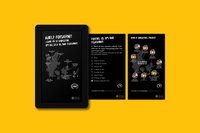
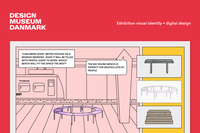
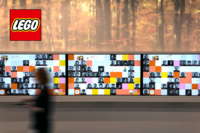
Lucía is a visual designer with 15+ years of experience working with companies and museums, including IKEA, LEGO, Munch Museum, and the Museum of the Future. Alongside visual design, she brings a strategic mindset, helping define the right direction before turning ideas into clear visual communication. Lucía creates brand systems, interfaces, exhibitions, illustrations, motion, and visual guidelines with a focus on clarity, originality, and impact.
Show More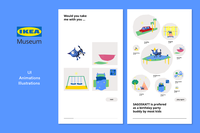

Aaron Yuan
Freelance Graphic Designer
Verified Expert in Design
UTC+08:00
China
Toptal Member Since April 6, 2017
With a master's degree in branding design, Aaron has been working as a graphic designer for 10 years. He is dedicated to crafting meaningful designs and using them to bring clarity to complex problems—all while creating solutions that put people first.
Show More



Last updated: Sep 14, 2026
Discover More Graphic Designers in the Toptal Network
Start HiringA Hiring Guide
Guide to Hiring a Great Graphic Designer
Graphic designers are experts at arranging visual elements, such as text, photos, patterns, colors, and icons, to create compositions that communicate meaning and engage users. This guide to hiring graphic designers features an overview of relevant skills, job description tips, and interview questions and answers to help you identify the best candidates for your company.
Read Hiring GuideGraphic Hiring Resources
Toptal in the press
... allows corporations to quickly assemble teams that have the right skills for specific projects.

Despite accelerating demand for coders, Toptal prides itself on almost Ivy League-level vetting.

Our clients


Creating an app for the game


Leading a digital transformation


Building a cross-platform app to be used worldwide


Drilling into real-time data creates an industry game changer
Testimonials
How to Hire Dedicated Graphic Designers Through Toptal
1
Talk to One of Our Client Advisors
A Toptal client advisor will work with you to understand your goals, technical needs, and team dynamics.
2
Work With Hand-selected Talent
Within days, we’ll introduce you to the right graphic artist for your project. Average time to match is under 24 hours.
3
The Right Fit, Guaranteed
Work with your new online graphic designer for a trial period (pay only if satisfied), ensuring they’re the right fit before starting the engagement.
EXCEPTIONAL TALENT
How We Source the Top 3% of Graphic Designers
Our name “Toptal” comes from Top Talent—meaning we constantly strive to find and work with the best from around the world. Our rigorous screening process identifies experts in their domains who have passion and drive.
Of the thousands of applications Toptal sees each month, typically fewer than 3% are accepted.
Toptal Graphic Design Case Studies
Discover how our graphic designers help the world’s top companies drive innovation at scale.
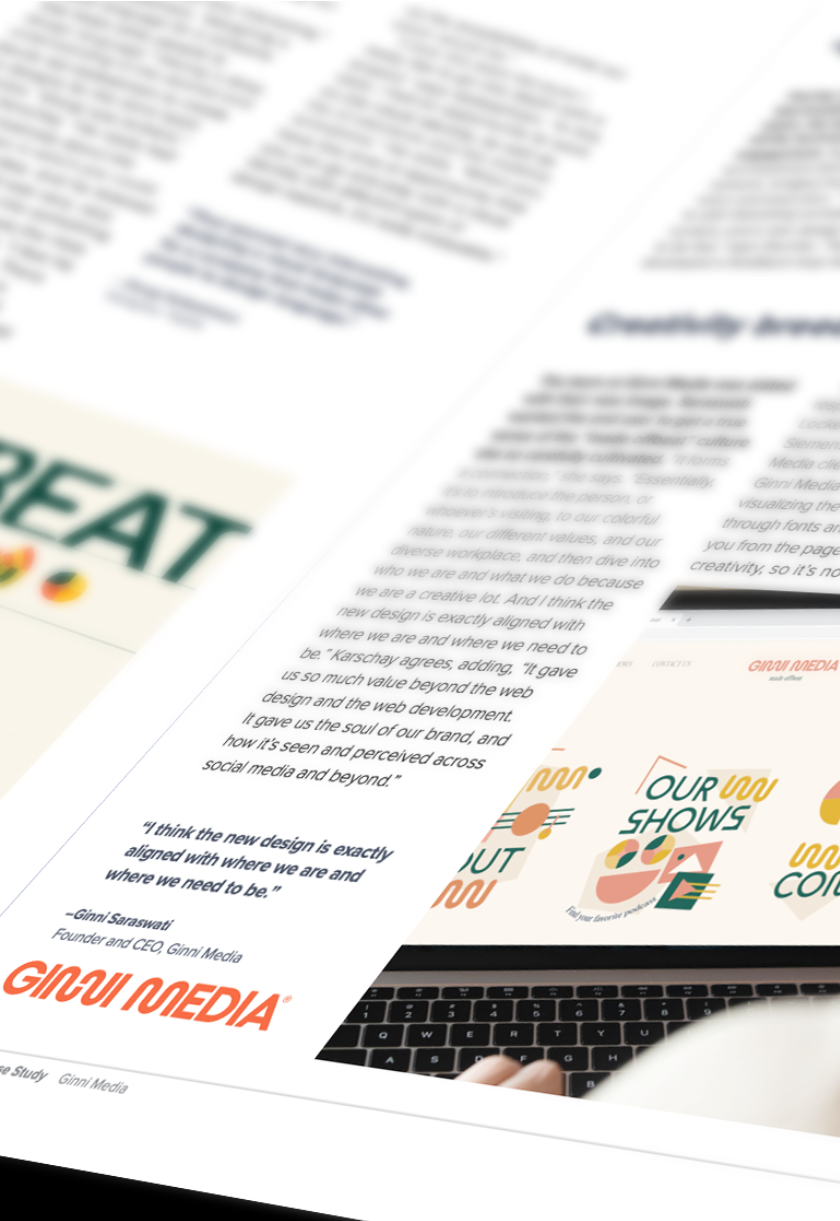
Ginni Media uplevels its brand identity while preserving its unique vibe.
Challenge: Ginni Media, a creative powerhouse with a remote team spanning 14 countries and six continents, needed a refreshed brand identity that would authentically convey its distinctive, inclusive ethos and resonate with a diverse global audience.
Solution: Combining artistry and technology, Toptal graphic designers developed a new brand identity that embodies Ginni Media’s inclusive and diverse mindset. After finalizing the design, a Toptal WordPress developer provided the technical expertise to integrate the new look into Ginni Media’s digital presence, completing the transformation in just six weeks.
Outcome: The result was a cohesive, vibrant brand that mirrored Ginni Media’s commitment to diversity. The new design allows end users to fully experience the thoughtful, global principles Ginni Media embodies.
RELATED CAPABILITIES
- Brand Design
- Web Development
I feel [the Toptal designer] brought the colors to life. He showed us the possibilities of what our vision would be.
Ginni Saraswati
Founder and CEO, Ginni Media

Capabilities of Graphic Designers
Toptal graphic designers elevate your company’s message and create eye-catching designs that uniquely reflect your brand’s mission. They apply design best practices and use a range of tools, including Adobe’s Creative Suite, to develop design assets that communicate clearly and resonate with your customers.
Logo Design and Branding
Your company’s logo is the heart of its brand identity. Toptal graphic designers develop bespoke logos and branding elements, such as color and typography schemes, to help your brand establish a distinctive presence in your market.
Infographics
Infographics make complex information more accessible to a broader audience. Simplify your company’s data by letting our graphic designers produce visually striking infographics that enhance reports, presentations, blog articles, and social media posts.
Social Media Graphics
Our graphic designers create compelling social media graphics that boost your company’s online presence. They make eye-catching visuals for posts, stories, and banners, and they tailor your design assets to meet platform specifications, boost engagement, and inspire your audience.
Print and Digital Ads
Print and digital ads maximize your company’s reach and increase brand awareness. Toptal graphic designers produce creative and compelling ads for print and digital environments, including Google Ads, social media, e-commerce, magazines, and billboards.
Illustration and Custom Artwork
Custom art and illustrations add a relatable element to your brand. Enhance your company’s marketing efforts by letting our graphic artists make illustrations and graphics tailored to give your brand a personalized feel.
Editorial Design
Editorial design helps organize information into engaging visual narratives. Toptal digital designers create visually compelling layouts for magazines, books, reports, brochures, e-books, and digital publications, balancing typography, imagery, and composition to improve readability and reinforce your brand identity.
Email Campaign Design
Visual appeal is a key component of successful email campaigns. Our online graphic designers develop high-converting email templates and graphics that communicate clearly and capture your audience’s attention.
Marketing Materials
Well-designed marketing materials are essential for effective brand communication. Let Toptal graphic designers create visually appealing brochures, flyers, posters, banners, and business cards to convey your message and delight your target audience.
Product Packaging
Improve your product’s shelf appeal with beautifully designed packaging. Toptal graphic designers create functional packaging that shields your product, complements your brand image, and drives purchases.
Event and Promotional Materials
Toptal graphic designers develop highly polished event graphics and promotional materials for every industry. They design banners, displays, signs, invitations, posters, and more to promote your theme and build anticipation for the event.
FAQs
The cost associated with hiring a graphic designer depends on various factors, including preferred talent location, project complexity and scope, seniority, engagement commitment, and required skills. In the US, for example, Glassdoor’s reported total pay range for graphic designers is $65,000 to $114,000 USD as of August 2026. With Toptal, you can speak with an expert talent matcher who will help you understand the cost of talent with the right skills and seniority level for your needs. To get started, schedule a call with us. It’s free, and there’s no obligation to hire with Toptal.
Typically, you can hire graphic designers with Toptal in about 48 hours. For larger teams of talent or full end-to-end project delivery, timelines may vary. Our talent matchers are highly skilled in the same fields they’re matching in—they’re not recruiters or HR reps. They’ll work with you to understand your goals, technical needs, and team dynamics, and match you with ideal candidates from our vetted global talent network.
Once you select your online graphic designer, you’ll have a no-risk trial period to ensure they’re the perfect fit. Our matching process has a 98% trial-to-hire rate, so you can rest assured that you’re getting the best fit every time.
To hire the right graphic designer, it’s important to evaluate a candidate’s experience, technical skills, and communication skills. You’ll also want to consider the fit with your particular industry, company, and project. Toptal’s rigorous screening process ensures that every member of our network has excellent experience and skills, and our team will match you with the perfect graphic designers for your project.
A graphic designer combines art and digital technology to communicate messages, ideas, and information visually. Their primary role is to use various design elements, such as typography, imagery, color, and layout, to create visually appealing and effective communication materials—such as logos, brochures, and websites—across different mediums.
Look for candidates who demonstrate clear knowledge of graphic design principles, color theory, typography, digital design software, and branding expertise. Other attributes to consider are creativity, problem-solving, collaboration and communication, and attention to detail.
At Toptal, we thoroughly screen our dedicated graphic designers to ensure we only match you with the highest caliber of talent. Of the more than 200,000 people who apply to join the Toptal network each year, fewer than 3% make the cut.
In addition to screening for industry-leading expertise, we also assess candidates’ language and interpersonal skills to ensure that you have a smooth working relationship.
When you hire graphic artists with Toptal, you’ll always work with world-class, custom-matched graphic designers ready to help you achieve your goals.
You can hire online graphic designers on an hourly, part-time, or full-time basis. Toptal can also manage the project end-to-end based on your specific requirements as part of our Consulting and Services offerings. Whether you hire a graphic designer for a full- or part-time position, you’ll have the control and flexibility to scale your team up or down as your needs evolve. Our graphic designers can fully integrate into your existing team for a seamless working experience.
We make sure that each engagement between you and your graphic designer begins with a trial period of up to two weeks. This means that you have time to confirm the engagement will be successful. If you’re completely satisfied with the results, we’ll bill you for the time and continue the engagement for as long as you’d like. If you’re not completely satisfied, you won’t be billed. From there, we can either part ways, or we can provide you with another graphic designer who may be a better fit and with whom we will begin a second, no-risk trial.
Explore Related Toptal Services
Looking for an end-to-end business solution? Browse Toptal's portfolio of services.
How to Hire Graphic Designers

Verified Expert in Design
8 Years of Experience
Rima is a product designer with more than eight years of experience. With expertise in graphic design and branding, she has facilitated the redesign of websites, platforms, and integrated design systems for companies like Gigabyte and Ultra Labs.
Expertise
Previously at


The Expanding Demand for Graphic Designers
To compete in a highly competitive digital landscape, companies in every industry need graphic designers who can produce high-quality visuals, such as marketing materials, website graphics, motion graphics, infographics, and social media images, that resonate with users.
According to the US Bureau of Labor Statistics, the employment of graphic designers will grow by 3% over the next decade, with an annual increase of about 22,800 openings each year. And although print-based publications are on the decline, the rise in online content and media is likely to fuel growing demand for digital designers.

While the purpose of graphic design remains to communicate ideas, information, and messages visually, the tools these artists use are rapidly evolving in the wake of generative AI, rendering the digital and print media landscape saturated with assets that, appealing, provocative, or forgettable, demand higher standards and sharper intentions to capture attention.
With business and technology continuing to evolve, it’s more important than ever for hiring managers to know how to find, hire, and retain the best graphic designers. In this guide, we clarify what design services a graphic designer provides and detail the skill sets and attributes to look for in the hiring process.
What Attributes Distinguish Quality Graphic Designers From Others?
The ideal graphic design candidate will create cohesive and visually appealing artwork that communicates a brand’s look, voice, and messaging to help a company achieve its business goals.
Professional graphic designers create initial design concepts and work through rounds of feedback and revisions to produce high-quality design work and engaging visual content. They have an array of tools such as Adobe Photoshop, Adobe Illustrator, Sketch, After Effects, and Figma, as well as emerging AI capabilities, at their disposal for creating visual assets, including logo design, print materials, and packaging designs.
To stand out, a digital designer should have some or all of the following skills:
Mastery of Graphic Design Principles
The right graphic designers will have an innate sense of artistry and extensive knowledge of fundamental design principles, including contrast, balance, shape, white space, layout, proportion, hierarchy, repetition, and movement. Furthermore, they should be able to thoughtfully implement design concepts such as the golden ratio, which informs a designer’s choices regarding font size and image-to-typography ratio, and the rule of thirds, a guideline for the composition of visual art, white space, and symmetry.
The best candidates may have experience as an art director and will exhibit design thinking and visual thinking skills, as evidenced by their ability to synthesize feedback and ideas, and communicate a concept to the client.
Digital and Print Design Experience
Digital design, including projects related to web design, digital marketing, landing pages, and product design, calls for UI/UX knowledge and experience with software commonly used in the design industry, such as collaborative prototyping tools like InVision Studio and Figma. Designing for print requires overlapping skills, including expertise in layout software such as InDesign and an understanding of paper quality and printing processes.
The ideal candidate will be well-versed in the best digital and print media practices to produce high-quality designs. They will also keep track of significant industry trends and styles, such as minimalism, retro, and futuristic.
Typography Expertise
Typography guides a design’s overall visual impact, readability, and communication. High-caliber graphic designers understand how to correctly combine font styles, sizes, and layouts to create a typographic hierarchy that aids user comprehension. Top candidates will also have in-depth knowledge of kerning and tracking, alignment and grids, and accessibility standards for web typography.

Command of Color Theory
Color plays a key role in visual communication. Understanding how colors influence mood and psychology allows designers to create artwork that conveys a message clearly and elicits the intended emotional response from the audience.
In brand design, graphic designers must ensure that color palettes reflect the company’s vision. For example, more than 30% of the best-performing technology companies use blue in their brand palette because it is often associated with security, trust, and sophistication.
Understanding of Branding and Visual Identity Design
Branding establishes a consistent visual identity across all touch points and is a fundamental aspect of the graphic designer’s work, from logo design to marketing materials. Professional freelance graphic designers ensure that design elements like colors, fonts, and photos align with their client’s brand aesthetics and values.
Brand design knowledge also allows graphic designers to make design decisions that positively impact brand perception, ensuring that each element in a composition contributes to the overall brand strategy and resonates with the target audience.
Proficiency in Design Software
A graphic designer’s tool belt comprises a multitude of programs and software. Skilled candidates should be able to demonstrate expertise in the latest versions of design programs such as Adobe Photoshop, Illustrator, and InDesign; Sketch; and Figma. The right candidate will also be able to transition seamlessly from one platform to another for workflow efficiency, as different platforms are specialized for specific tasks and design purposes. For instance, a graphic designer might use an application such as InDesign for a campaign with print assets, Photoshop for photos and graphic assets, and Illustrator or Figma for web graphics, such as UI icons.
Aside from design software, it may be helpful to find a candidate who is familiar with other related tools, such as web builders like WordPress or social media platforms, depending on the needs of your project and the designer’s role.
AI Fluency
Modern graphic designers understand how to use AI tools thoughtfully and responsibly, well aware that AI is not a replacement for creativity or execution. AI can speed up tasks like brainstorming, mood boarding, theme exploration, generating early concepts, editing images, removing background noise, resizing assets, accelerating repetitive production work, and much more. Designers who are fluent in AI-assisted workflows can deliver more efficiently by offloading administrative overhead to AI assistants, allowing them to devote more attention to creative direction, brand consistency, and overall visual quality.
At the same time, astute designers should be able to assess AI-generated and AI-assisted outputs for originality, clarity, usability, accessibility, consistency, and accordance with brand expectations. Overreliance on AI can produce visuals that appear polished at first glance but contain subtle or major inconsistencies on closer inspection. One small glitch can instantly damage both campaign effectiveness and brand reputation. For example, AI may successfully generate a reflection on a stove in a kitchen rendering, but a keen graphic artist will examine whether each reflection matches the surrounding environment. Do shadows follow the established lighting direction? Do the reflective surfaces behave consistently across the entire composition? Do additional background details, like weather or outdoor lighting visible through a window, align with the scene as a whole?
The best candidates understand when AI can improve speed and exploration, as well as when a project requires fully custom work, be it human creativity, execution, or strategic thinking.
AI Design Stacks
Most industry-standard suites have incorporated AI into their toolsets. As these features become more mainstream, graphic designers should know how to use them to improve process efficiency without sacrificing quality, consistency, or creative discernment.
Below is an overview of how platforms are incorporating AI into their design suites.
Suite | Agent | AI Capabilities |
Adobe Creative Cloud |
Firefly
|
Generative editing, object removal, image expansion, recoloring, vector support, image generation, and workflow acceleration across Adobe applications.
|
Canva | Magic Studio | Layout generation, text-to-image and video generation, background removal, smart resizing, content transformation, production workflow support, and more. |
Figma | Figma AI | First-draft generation, image editing, vectorization, prototyping assistance, prompt-to-app creation, and more across Figma design tools. |
Midjourney | Midjourney | Text and image prompting, style referencing, moodboarding, retexturing, video generation, and style-consistent iteration |
Ethical Awareness
AI-generated content may raise copyright and licensing concerns. Applicants should demonstrate awareness of usage restrictions, attribution requirements, and when to avoid publishing AI-generated or assisted assets. While they can be used in commercial campaigns (policy-dependent), AI serves most graphic artists as a prototyping or workflow enhancement tool.
Hiring managers should probe applicants about their awareness of legal and ethical sensitivities in responsible AI use.
How Can You Identify the Ideal Graphic Designer for You?
Hiring the right graphic designer for your brand is key to producing an engaging look. As you begin to collect résumés, consider whether your team and project would benefit from the skills of a senior or junior designer. Each will bring a different perspective and skill set to the team.
Senior designers with many years of experience have a more highly developed design style and a consistent work ethic. They may be more strategic in their graphic design decisions and can work independently. They may also be able to coach or mentor more junior team members. Keep in mind that hiring more experienced graphic designers will cost more, as they bring significant graphic design knowledge and expertise to the table. On the other hand, a junior graphic designer will be less experienced but more affordable. Junior graphic designers may also bring a fresh perspective on emerging design trends that can benefit your project. When choosing the right graphic artist, consider the needs and goals of your project, your budget, and your workplace culture.
In addition to considering expertise, it’s also important to evaluate whether your project requires full-time or part-time support and whether you’re seeking in-house talent or freelancers. Freelance graphic designers are especially valuable for short-term projects or specialized design needs. They offer flexibility, a wide range of expertise, and the ability to scale your team quickly.
Whoever you choose, the designer you hire must be the right fit for your company and brand. A good designer for one team may not be the ideal match for another, depending on team dynamics, communication style, and industry experience. Look for a candidate who will interact successfully with your team and stakeholders. Here are some additional attributes to keep in mind:
An Exceptional Portfolio
A designer’s portfolio is their calling card and an important element to consider in the hiring process. Look for a design portfolio that clearly shows a broad range of work, skill sets, and tools applicable to the position you are looking to fill. If generative AI is featured, look for signs that the candidate used it as a support tool, while their professional judgment and creative skills guided execution. A series of logos in various color schemes to probe mood impacts? More than acceptable. Meanwhile, a written prompt featured beside a client’s logo may warrant further investigation. Ask the designer to explain how AI supported the process, what they refined manually, and how they ensured the final work met brand, technical, and visual standards. Additionally, the best graphic designers have portfolios that tell a cohesive story and demonstrate how they addressed design problems throughout each project. Top candidates often showcase their work on platforms like Behance, making it easier to explore their range, creativity, and style.
Feedback Loops and Iterative Improvement
Professional graphic designers respond well to feedback and seek it throughout and after an engagement to ensure their work is communicating effectively while meeting brand expectations. The best designers use feedback to improve. They pay attention to which visual cues resonate with audiences and which elements create friction or fail to connect. Over time, those lessons deepen their understanding of specific audiences and demographics, helping them anticipate audience response and design more effectively. Client reviews, designer ratings, and audience feedback all help assess how well a deliverable is landing and how well a designer handles revisions and builds trust over time. Client reviews and designer ratings can provide useful hiring signals, especially when they reveal patterns in communication, revision handling, reliability, and final deliverable satisfaction.
Visual Communication and Design Skills
Top graphic designers should have a strong sense of how users will experience their work and understand the intended emotion and messaging the brand wishes to convey. The right candidate has strong communication skills and can create aesthetically pleasing and persuasive visuals that lead users to take action, whether that means sharing content on social media, clicking a link, or making a purchase. In this way, the right graphics can impact a company’s bottom line.
Communication and Creative Alignment
Talented graphic artists know how to translate tropes into creative direction. Stakeholders often describe what they want in subjective terms, like “old-timey,” “nostalgic,” “modern,” “futuristic,” etc. A practiced designer knows how to refine these colloquialisms into creative direction through conversation, reference materials, and early prototyping, turning vague references into creative direction for typography, color palette, composition, imagery, and mood. They ask thoughtful follow-up questions, identify the visual tropes a stakeholder may be responding to, and align the work to the right historical, stylistic, or brand reference. This helps reduce ambiguity, improve feedback, and ensure the final design communicates the intended messaging.
Cross-functional Collaboration
Design projects often require input from multiple stakeholders, each with different priorities. Marketing teams may focus on audience response. Leadership may prioritize business goals. Developers may raise technical constraints, and project owners may react more emotionally than strategically when evaluating delivery iterations. Practiced visual designers know how to collaborate with each group, manage feedback strategically, and keep the work aligned with the agreed-upon creative direction without slipping into “design by committee.” Clear, documented communication helps reduce misunderstandings and keeps the project anchored as it evolves.
Problem-solving Abilities
Graphic designers rely on problem-solving skills to navigate challenges in the creative process and create meaningful visuals that address client needs. These skills help designers tackle complex project briefs, reconcile client preferences and feedback, and find innovative design solutions. For example, a qualified graphic designer can help resolve issues like which colors are most suitable for a company’s visual identity or how to organize graphic elements on a page to better guide the user and increase conversions.
Professionalism and Timeliness
Professional graphic designers build trust by delivering work on time in the formats and specifications agreed upon for each project. They set realistic milestones, manage deadlines responsibly, and communicate immediately when timelines are at risk to keep projects moving forward. Professionalism is apparent in how they track and report progress, prepare files, name assets, document revisions, and hand off deliverables for future use. These habits help ensure that their work remains accessible, organized, and useful beyond the project or engagement.
Cost Considerations for Hiring a Graphic Designer
As mentioned above, not all graphic design projects require the same level of expertise. The price of a graphic artist is influenced not only by experience level, but also by project complexity, deliverable volume, revision needs, and whether the work is better suited to freelance or dedicated graphic designer support.
Here’s how common tasks typically map to experience and salary ranges. These numbers represent graphic design salaries as reported by Glassdoor’s proprietary machine learning model, which uses salaries collected from users and government data to make pay predictions. Please note, seniority doesn’t determine creativity. It typically reflects independence, ownership, and the level of oversight required by the role.
Seniority | Base Pay Ranges (USD) | Standard Tasks | Creative Strengths | Oversight Level |
|
Junior
|
Production support, simple asset adjustments, fast-turn work, trend-sensitive projects
|
Fresh ideas, trend awareness, new visual approaches
| High | |
Mid-level | Campaign assets, brand collateral, web design, ongoing execution | Strong balance of creativity and ability to execute | Moderate | |
Senior | Brand systems (typography, iconography, etc.), high-visibility campaigns, complex or experimental initiatives |
Strategic concepting, creative leadership, brand stewardship
| Low |
Source: Glassdoor, August 2026
Note: These figures reflect Glassdoor’s total pay ranges in USD as of the date listed. Glassdoor’s salary ranges are dynamically updated and may fluctuate over time. Numbers should be independently confirmed for your hiring region.
Junior Graphic Designers
Junior designers typically have a few years of experience and are best suited for executing tasks with oversight, production support, and smaller-scope projects. They typically have a mix of:
- Internship experience
- Freelance work
- School or bootcamp portfolio projects
- Production/design experience delivered under supervision
Junior designers are usually more affordable, but may add project overhead as they require oversight to ensure alignment with the project’s creative direction, technical specs, and quality expectations. Often fresh out of training, where they’ve studied current and emerging trends, junior designers may supplement what they lack from experience with ingenuity.
Mid-level Graphic Designers
Mid-level designers can take on projects more independently than their juniors and generally offer a strong balance of creativity and execution, making them the cost-effective choice for teams that want to execute a creative vision without the price of senior-level guidance.
They typically have 3 to 5 years of experience and are practiced in delivering assets like logo design, iconography, typography, web design, and other creative projects that require artistic consistency and market-ready execution. Their background typically spans a wide range of deliverables and production environments, or it focuses on extreme expertise in a specific niche. Mid-level designers are especially valuable for iterative work on established projects that require brand consistency and steady outputs.
Senior Graphic Designers
Senior designers are the most expensive talent to hire, but their expertise justifies the cost. When project objectives seem misaligned or ambiguous, they are often experienced in concept development, market analysis, stakeholder alignment, and visual message dissemination. Senior designers are especially valuable on new and legacy projects where branding must be defined or enforced across a suite of assets and media channels.
As a general rule, the more complex, visible, or strategically important the work is, the more likely it is to require experienced talent and a higher budget.
Freelance Graphic Designers versus Dedicated Graphic Designers
Choosing between contract and in-house graphic designers depends on the depth, length, and scope of the project. The chart below highlights key differences in cost structure, communication needs, brand familiarity, and project fit.
Consideration | Freelance Graphic Designers | Dedicated Graphic Designers |
Project Length | Short-term, specialized, or scalable iterations | Long-term, ongoing, or brand-centric |
Pay Structure | Hourly or project-based; Flexible against fixed budget | Includes salary and benefits overheads. Higher long-term investment |
Communication Needs | High. Requires clear project briefs and handoffs | Low. Designers integrate with internal teams |
Range of Expertise | Often shaped by exposure to multiple clients, industries, and workflows | Often shaped by deeper familiarity with one brand, team, and business context |
Brand Familiarity | Limited to project research and engagement scope | Deepens over time and supports stronger consistency |
Freelance Graphic Designers
Freelance graphic designers are well-suited for short-term and specialized projects. They can scale with project demand and be hired for niche skills specific to your engagement. Given the nature of their employment model, freelance graphic designers often possess industry knowledge gained from exposure to different organizations, tools, processes, and solutions. Online graphic designers tend to be more diverse in terms of pricing, giving organizations more flexibility when budgeting for project-based work. When hiring an online graphic designer, pay close attention to communication expectations to ensure timelines, availability, and preferred working methods are clearly defined from the start.
Freelancers can be cost-effective in the short term, but hiring managers should account for the additional coordination that project-based work may require. Clear briefs, defined timelines, and feedback loops are especially important when the designer is working independently or remotely. Handoff must also be planned and delivered in a way that future collaborators can easily build on for research or later iterations. This means all deliverables and ownership rights should remain with the hiring organization, in formats that are editable, traceable, and easy to repurpose.
Dedicated Graphic Designers
It can be beneficial to hire a dedicated graphic designer when your organization has long-term design needs that require deep familiarity with brand standards and a steady output. While they carry additional employment costs, dedicated graphic designers offer consistency, faster alignment with internal stakeholders, and gain a deeper understanding of the brand over time. The accumulated knowledge when you hire a full-time graphic designer should not be taken lightly, as it can shape even small projects in ways that drive broader brand impact.
Freelance and dedicated roles also differ in the amount of administrative work that surrounds the job. Freelance work often comes with additional tasks like invoicing and client management, while in-house roles let designers focus more consistently on execution.
The modern business world leverages digital connectivity to expand talent pools across the globe, and the field of graphic design is no different. While talented professionals have never been in short supply, this expanded outreach is a major benefit to businesses and project owners, as it allows greater flexibility in matching a breadth of styles, creative tastes, and technical abilities to an engagement. In addition to choosing between in-house and freelance designers, remote and offshore graphic designers should be considered, as they add flexibility to everything from creative capabilities to pricing models, especially when sourced from less competitive markets.
Remote Graphic Designers
A remote graphic designer can be regionally or globally located and is a great way to expand your talent search while often bringing additional flexibility to your engagement. If your project involves rare technical requirements or specialized artistic styles, this model can be an excellent way to broaden your talent pool. Furthermore, professionals from less competitive regions or markets may be willing to work at lower rates while delivering equally strong creative abilities.
Offshore graphic designers can be an exceptional hiring model when your business or project is rooted in a highly competitive market. Offshore hiring can provide access to professionals who are just as creative as those in more competitive regions but at more favorable rates. Additionally, when working on a campaign or project with cultural influences or sensitivities, offshore graphic designers can provide authentic firsthand perspectives and identify design considerations that might otherwise be overlooked.
While remote graphic designers can also bring fresh perspectives and specialized talents that may not be readily available in your local area, keep in mind that working with remote creative professionals requires additional planning upfront.
As with any onsite resource, ensure ownership rights and security practices are clearly established for all deliverables and project communications, CMS and project platforms, and verify that internal style guides and brand assets are protected through secure communication and file-sharing channels. Also be sure availability windows, response times, and collaboration expectations are clearly defined from the start.
When these considerations are addressed, the sky is the limit to how far your talent search can extend, making it easier to identify the right graphic designer for your engagement.
Choosing the Right Engagement Model
When choosing the right graphic designer for your engagement, hire based on impact, rather than the size of the project or deliverables. A small icon tied to a major campaign or core brand message may require more discernment than a larger but lower-stakes execution task. Once you’ve determined the right level of experience, choose the engagement model that best fits the project’s budget, while considering the importance of continuity to your organization.
In general, freelance designers are a strong fit for specialized and short-term projects, while dedicated graphic designers are better suited for ongoing initiatives that depend on brand consistency.
Types of Graphic Designers
Graphic design is a diverse field. Depending on the project, companies may need designers with different areas of focus. The chart below outlines common types of graphic designers and the value they typically bring to an engagement.
Design Field | Primary Function | Standard Deliverables |
Define how a brand looks and feels across touchpoints | Logos, color palettes, typography systems, brand guidelines, icon systems | |
Promote products, services, or campaigns and drive audience action | Ads, social graphics, brochures, banners, email graphics, pitch decks | |
Create visually engaging, user-friendly, digital experiences | Landing pages, websites, app interfaces, design systems, user interface components | |
Shape the visual and functional experience of digital products | Product interfaces, flows, prototypes, dashboards, interaction design assets | |
Make products visually appealing, recognizable, and shelf-ready | Product packaging, labels, stickers, box systems, retail packaging | |
Organize content for printed or long-form editorial formats | Books, magazines, reports, menus, flyers, stationery | |
Communicate through movement in digital and video environments | Animated ads, title cards, social animations, explainer graphics, video assets | |
Create custom imagery to support brand, editorial, or product needs | Editorial illustrations, icons, custom artwork, blog graphics, digital assets | |
Turn complex information into clear, digestible visuals | Infographics, charts, dashboards, reports, presentation graphics | |
Use visual design to improve how people navigate, experience, and interpret physical spaces | Signage, wayfinding systems, murals, exhibition graphics, retail displays, branded interiors, event environments |
How to Write a Graphic Designer Job Description for Your Project
The graphic designer you hire must be able to perform well and integrate into the team, so be sure your job posting reflects the work required and the corporate culture and communication style candidates can expect. Be transparent about the specific challenges the team is facing and the qualities you are looking for to complement your team. Furthermore, outline the project’s scope, including timeline, deliverables, and the review and approval process. Being clear about expectations from the outset will make the process of finding the right graphic designer for your project smoother and faster.
Attention to Design Details
In design, details matter. A graphic designer must see the bigger picture and understand how every detail contributes to the end product. For example, brands often have strict style guidelines that must be followed. Attention to detail is essential to ensure that brand elements such as logos, color palettes, and fonts are used correctly and consistently across all materials.
Project Management and Collaboration
Qualified graphic designers can manage workflows, collaborate, and collect and address feedback throughout the project to ensure the client is satisfied with the final product. In addition, the ideal candidate advocates for design decisions that align with the project’s goals. This may mean articulating their perspective and strategy when there is stakeholder disagreement, including demonstrating the feasibility of their idea, showing how they plan to execute it, what resources they would need, and how they would overcome potential risks.
Knowledge of UX/UI Principles
While UI and UX designers have different roles and responsibilities than graphic designers, it’s best for graphic designers to have an understanding of UI design and UX principles. This knowledge can help them contribute to a seamless user experience that improves engagement, customer retention, and conversion rates.
Incorporating UX principles into graphic design can also improve accessibility. For example, graphic designers with UX knowledge understand that color contrast is paramount to ensuring that individuals with visual impairments can access and engage with web and app content. Finding candidates who focus on the user can help ensure that the content achieves its purpose and supports business goals.
How to Write a Graphic Design Brief
A well-written creative design brief clearly outlines the project’s objectives and how the graphic designer can help achieve them. It should state what the project is, who it is for, what success looks like, and what deliverables the designer is expected to produce. The more specific the brief, the easier it is for designers to make sound decisions about creative direction, software and tool selection, task scoping, and any potential risks that may require additional planning.
An effective brief typically includes:
- Project overview: A concise summary of the project and why it matters.
- Goals and objectives: What the design should achieve for the business or audience.
- Target audience: The people the design is meant to reach, and any customer data that can aid in doing so.
- Brand context: Any existing brand guidelines, tone, messaging, and visual standards to meet.
- Deliverables: The exact assets needed, including desired formats, dimensions, versions, and quantities.
- Timeline and budget: Key deadlines, milestones, and financial constraints.
- Approval process: Who gives feedback, who signs off, and how revisions will be handled.
A detailed brief improves communication between stakeholders and designers, minimizes revisions, and helps keep the project on time and on budget. It also gives visual designers the context they need to make decisions about layout, hierarchy, color, typography, imagery, and format. Without an explicit brief, even highly skilled creative professionals may miss the mark.
Keep the brief short, but make sure it is specific. Vague goals often lead to vague outcomes. Use clear language, define what is in scope, and document any required assets or constraints up front.
If the project evolves, update the brief so it continues to serve as a reliable reference for the team.
Steps to Hire a Graphic Designer
Now that you’ve defined your project requirements and have a clear understanding of what success looks like, it’s time to hire a graphic designer who can bring your vision to life. Although finding the right designer can seem daunting, the process becomes much more manageable when broken into purposeful steps.
1. Define Your Project Objectives
The first step is to clearly define what you want the designer to deliver. The more specific your requirements are, the easier it will be for prospects to assess timelines, pricing, and determine whether they are the right fit for the engagement.
When possible, define project outcomes through specific terminology.
- Vague: Create a modern version of our current website logo.
- Specific: Deliver an 180 × 180 px SVG logo optimized for our website header, along with editable source files and light/dark variations.
Clearly defining deliverables upfront helps reduce misunderstandings, scope creep, and costly revisions later in the project.
2. Establish a Realistic Timeline
Once you’ve defined the project scope, establish a timeline that represents both the complexity of the work and your business needs. A simple vectorization project may be completed in hours, while a brand redesign with multiple elements may require several months and multiple review cycles. Providing realistic deadlines also helps designers determine the level of effort required and whether they can commit to your schedule.
If you’re unfamiliar with the design process and how long tasks may take, you can always consult with other experienced designers or review similar projects. If these resources are readily available, ask shortlisted candidates how long they would reasonably expect the engagement to take. Candidates who respond with schedules decomposed into timeboxed estimates deserve special attention.
3. Define Your Budget
Your budget should be established before publishing a job listing and should be consistent with both the project’s complexity and timeline.
Larger branding initiatives typically require larger budgets than one-off production tasks. Setting realistic expectations early helps attract candidates whose experience matches your project. Once again, in the event you’re unsure how to scope the amount of work an engagement requires, consult a senior designer for input on how to schedule your engagement. You can locate one in-house, through your professional network, or even hire a senior graphic designer from a freelance network to consult on planning your engagement.
4. Identify the Type of Designer You Need
Now that you’ve defined your objectives, timeline, and budget, determine the type of designer best suited to your engagement. Not every graphic designer specializes in the same type of work. Use the Types of Graphic Designers and Cost Considerations - Seniority tables above to gain an idea of what sort of resource you need. While it does not cover every type of graphic designer, it will help shed light on the more common disciplines graphic designers are typically hired for. If you have a specialized project that is more niche, review similar job listings to gain insights on scoping your own or, once more, consult with more senior graphic design specialists to ensure you’re listing the skills and techniques most pertinent to your engagement.
5. Choose the Appropriate Hiring Model
With your project requirements established, determine the hiring model that best supports your goals. For example, if you simply need a logo vectorized or marketing collateral updated, hiring a freelance or offshore graphic designer may be the most efficient and cost-effective solution. Conversely, if you’re undertaking a complete rebranding or launching a new product line, hiring a dedicated or full-time graphic designer may provide greater long-term value through strategic continuity and institutional knowledge.
Matching the hiring model to the engagement often has just as much impact on project success as selecting the right candidate.
6. Publish the Job Listing and Evaluate Candidates
Once your objectives, budget, timeline, and hiring model are defined, publish your job listing and begin evaluating candidates. Review portfolios to understand each designer’s style, creative proficiency, problem-solving ability, and reliability. Ask candidates to explain the thinking behind selected pieces rather than simply reviewing portfolios or finished designs.
For larger engagements, consider using a small paid test project to evaluate communication, collaboration, responsiveness to feedback, and overall fit before committing to a longer-term engagement.
7. Begin the Engagement and Reassess
Once you’ve selected a designer, treat the early stages of the engagement as an opportunity to validate or reassess your hiring decision, as strong early performance may reveal opportunities beyond the initial project. For example, a junior designer hired for a short-term project may prove to be an invaluable addition to your creative team. Likewise, if project requirements evolve, revisit the original scope, timeline, and compensation so expectations remain clear and both parties are treated fairly throughout the engagement.
What Are the Most Important Graphic Designer Interview Questions?
It’s vital that you know the best interview questions to ask graphic designer candidates. By asking the right questions, you’ll be able to assess a candidate’s problem-solving abilities, design philosophy, and communication skills. Interview questions are also a good way to gauge a candidate’s compatibility with your company’s culture and mission. These questions should help you form a good picture of each candidate’s experience:
Can you describe your design process, from concept to final product?
It’s important that you understand the design process when you are hiring a graphic designer. Knowledge of the process empowers you to be more engaged and informed about the role, leading to smoother collaborations, better design outcomes, and, ultimately, more successful projects because you will be able to communicate your vision, business objectives, and expectations to the designer. You can also provide detailed briefs and feedback and establish realistic timelines and expectations.
Explore the candidate’s creative process and work style to determine team compatibility and culture fit. For instance, they may like to sketch and brainstorm in a group setting or need independent work time to develop and refine concepts before presenting them to the team. Additionally, they may be open to extensive feedback and iterations, or they may feel that exploring too many design options can get a project off track. Look for a graphic designer who can articulate the rationale for each step in their design process.
How do you decide when to use AI-assisted tools versus manual design methods in your workflow?
As AI becomes more integrated into modern design, it’s important to verify that applicants use it responsibly. Sharp designers know when AI can accelerate ideation or production, but know when manual work is necessary for creativity or technical precision. Look for candidates who can explain how they evaluate trade-offs and ensure that AI supports their work, rather than supplementing their professional judgment or creativity.
Can you share a project in which AI accelerated your workflow, and explain how you ensured the final output met brand, technical, and visual standards?
This question serves as a litmus test for both AI fluency and responsible AI use. Ask applicants to explain which aspects of the project they used AI to support, and how that support enhanced or accelerated their engagement. Responses will vary, but AI usage typically declines as creative assets mature and require precise refinement. Round out the discussion by asking how the designer validated that their work met quality expectations and aligned with client guidelines. AI may suggest file formats or aspect ratios for an asset, but a savvy applicant will be able to explain why those choices were appropriate for the intended use case and audience.
Tell me about your design experience in this industry.
Designing for different industries often involves understanding specific design conventions, trends, and audience preferences. If you work in healthcare or e-commerce, for example, you may wish to hire a digital designer with experience creating graphics in those areas. Or you may seek candidates with experience working with large corporations, small businesses, or startups.
Designers with industry experience may better understand clients’ unique needs and challenges within that industry, without the need for extensive research into the business, products, or services. This can lead to more effective communication and collaboration when working on projects. They are also likely to be familiar with the competition and will be able to create designs that stand out in a competitive landscape, ensuring that their clients’ branding and messaging are distinct from others in the industry.
Candidates’ responses to this question can give you a clearer picture of the relevant work in their portfolio that showcases their ability to create designs tailored to the industry’s requirements that resonate with the target audience.
Tell me about a challenging design project you worked on and how you overcame it.
Working with a graphic designer is a collaborative effort that requires some give and take. Asking how a designer has responded to challenges can be an excellent way to see how they problem-solve in difficult situations. Ideally, they will share a scenario that shows how they used their communication skills, curiosity, and innovation to turn a negative into a positive. If an applicant speaks poorly of a past creative director or client, consider that a red flag. Instead, look for someone who can learn from mistakes and thrive under pressure.
How do you ensure your designs are visually appealing and communicate the intended message effectively?
A graphic designer should not only be creative, they should also be able to explain why their designs are effective. Articulating what makes a visual design cohesive, eye-catching, and engaging is imperative. There is a delicate balance between a designer’s job to “sell” the team on their ideas and producing what the client wants. For instance, when creating a banner ad, the design team might choose to make a product photo much larger than the promotional text so that people will be drawn to the impressive image before reading the copy (as opposed to the other way around).
Can you describe a time when you had to work within brand guidelines and adapt your designs accordingly?
As much as a graphic designer must bring innovative ideas to the table that excite, inspire, and surprise the client, they must also work within the brand’s guidelines. When hiring, you’ll need to be sure the designer understands the brand and is willing to work within the parameters provided for the graphic design project, such as correctly using the client’s Pantone color palette and wordmarks.
Why Do Companies Hire Graphic Designers?
Companies hire graphic designers for several reasons: They may need to create a visual identity for a new print or digital product to increase customer engagement and generate sales. They may want to overhaul an established brand’s look across multiple platforms and reposition it more effectively in light of market changes. The company may have identified specific problems with how customers interact with their brand’s products, such as a website or customer portal.
A full-time or freelance designer can be beneficial in various scenarios where you need professional graphic design expertise to create visual materials that effectively reach the target audience, communicate your message, enhance your brand, or improve user experiences.
For instance, graphic designers create compelling visuals for website designs (or redesigns) and landing pages, and they may develop templates that can be customized for different purposes. They also work on artwork for logos, business cards, t-shirts, brochures, social media graphics, infographics, and packaging design.
As AI-generated visuals flood the digital landscape, graphic design expertise is becoming more important. According to Forbes, roughly 34 million AI-generated images are created daily. In such a saturated environment, brands need more than speed or novelty to stand out. They need visual designers who create clear, optical narratives with emotional weight and resonate narratives that imprint on viewers while still communicating the brand message cleanly and effectively.
High-quality graphic design allows a company to communicate its values and mission to meet its business goals, such as attracting new audiences, boosting customer engagement, increasing brand awareness, or improving sales. Graphic designers play a major role in how people perceive a business and, ultimately, how that business grows.
As companies expand across digital, print, video, and interactive channels, designers help turn messages into visuals that people can quickly understand, shaping how a brand feels to an audience across websites, campaigns, packaging, apps, and more.
A lot of that impact comes down to details people may not consciously notice, but still respond to. Color, typography, spacing, shadows, texture, and composition all influence how a brand is interpreted. Think again of the color blue. A distinct visual style can make a company feel more trustworthy, luxurious, playful, or established. Good visual designers understand these associations and use them intentionally, refining their choices based on audience response, performance data, and the brand’s goals.
As organizations grow, brand identity becomes even more important. Consistent use of color, typography, and visual style helps people recognize a brand faster and build trust over time, even if they cannot immediately explain why. Seasoned creative professionals know how to build on those associations, using both bold and subtle cues to make a brand feel memorable, cohesive, and recognizable wherever it appears.
Seeking a professional designer who can fulfill these needs is a process that goes beyond evaluating a résumé or portfolio. Artistry, technical ability, and flexibility are essential elements. However, familiarity with a designer’s workflow, creative process, and communication style is vital to finding the ideal candidate.
Working with a graphic designer is a highly interactive experience. It will be a learning process for you and the designer you choose. Along the way, you may discover that you need to look more closely at and explore your brand identity. A qualified designer with a good communication style, flexibility, creativity, and curiosity can help you refresh your brand’s identity if needed or create a new look that will take your brand to the next level.
Featured Toptal Graphic Design Publications




Top Graphic Designers Are in High Demand.