
How can designers draw people into your product’s virtual, digital, or physical world? Take UX to a new level with these expert perspectives on immersive experience design.
Read MoreTRUSTED BY LEADING BRANDS


Our Services
Elevate your brand with Toptal’s Event Marketing Services. Our experienced team strategizes, publicizes, and executes noteworthy events that drive engagement, amplify your brand message, and deliver measurable results across a range of industries.
Looking for guidance about the perfect event marketing services for your needs?
Get a Free Consultation NowOur event marketing experts, with experience at leading companies, develop tailored solutions to meet your business needs and unique industry demands for sustainable results and long-term success.

Christine Olivas
 Brand Marketing Practice Lead
Christine is Toptal’s Brand Marketing Practice Lead, guiding organizations in building differentiated brands and driving growth. She founded No Single Individual (NSI), an advertising talent platform, and brings leadership experience from global agencies, including Grey Advertising and TPN Commerce. Her expertise spans brand and communications strategy, creative and experiential programs, and scalable marketing models for B2B and B2C.
Previously At










Brand Marketing Practice Lead
Christine is Toptal’s Brand Marketing Practice Lead, guiding organizations in building differentiated brands and driving growth. She founded No Single Individual (NSI), an advertising talent platform, and brings leadership experience from global agencies, including Grey Advertising and TPN Commerce. Her expertise spans brand and communications strategy, creative and experiential programs, and scalable marketing models for B2B and B2C.
Previously at

of Experience
20+ Years

Delivery Manager
Rachael serves as a Delivery Manager at Toptal with a focus on leading diverse global teams in developing innovative solutions for our clients. She works across multiple disciplines, including technology, marketing, and management consulting. Rachael specializes in managing people and client relationships, process optimization, and driving teams toward optimal business outcomes.
Previously Managed Client

Experience
9+ Years


17+ Years
of Experience
Joe is a seasoned senior marketing executive with extensive expertise in event marketing, recognized for crafting innovative, data-driven campaigns that deliver measurable impact. His leadership on 7-Eleven’s “Fuel Your Fandom” campaign highlights his ability to execute 360-degree activations, seamlessly integrating in-store promotions, digital content, influencer collaborations, and earned media. By conceptualizing and managing the selection of a Super Fan Influencer crew, Joe’s efforts yielded more than 100 high-quality content pieces at 60% lower costs than traditional methods, setting a new standard for influencer-driven event marketing. With a proven track record across the CPG, retail, and hospitality industries, Joe combines strategic insight and creative execution to enhance brand engagement and drive business growth.
Previously at


13+ Years
of Experience
A visual designer, Lucía has spent the last ten years working with companies and museums like IKEA, LEGO, Munch Museum, and the Museum of the Future, helping them build experiences for their customers. She is a keen problem solver and can deliver visual guidelines, exhibition artwork, event design, interface design, illustrations, and animations. Lucía loves challenging herself to find a unique voice for each project and developing it further through innovative yet simple visual communication.
Previously at


10+ Years
of Experience
Jumi is a marketing expert with more than a decade of experience in strategic marketing and communications. She specializes in event planning and production for private and nonprofit organizations across industries such as health, technology, social impact, and entertainment. Jumi’s innovative marketing strategies and event expertise consistently deliver impactful results for organizations aiming to elevate their brand and engage their audiences.
Previously at


13+ Years
of Experience
Julio is a well-rounded marketer with 13+ years of experience designing brand identities across multiple markets, crafting transformative strategies, and empowering multifunctional teams to deliver outstanding results. He has launched over 50 SKUs while creating irresistible content, events, consumer promotions, and influencer campaigns that led to 120% and 140% revenue growth on globally known brands such as Oral-B, Gillette, Ariel, and Lenor.
Previously at


11+ Years
of Experience
Astrid is a seasoned event-planning expert and digital and field marketer with more than a decade of experience delivering high-impact virtual and in-person initiatives across diverse industries. She excels in end-to-end planning, logistics management, stakeholder coordination, and executing events that achieve measurable success while leaving lasting impressions on attendees. Her achievements span various industries, exemplified by her work in higher education on events like the Micro-credential Symposium, which drew more than 600 registrants from the Australian and New Zealand sectors and fostered connections with local organizations and edtech partners.
Previously at


21+ Years
of Experience
Jennifer is an accomplished public relations and communications expert with a proven track record of creating strategies that enhance brand presence and drive engagement. She has developed award-winning campaigns, including a crisis communication initiative for the Department of Veterans Affairs that earned two PRSA PRism Awards for branding and influencer outreach. Jennifer has secured high-profile media coverage for fintech product launches in outlets such as Forbes and TechCrunch and established strategic partnerships with brands like Uber and Salesforce. Her expertise in integrating PR strategies into broader marketing efforts ensures cohesive storytelling and measurable impact.
Previously at











24+ Years
of Experience
Brion is a global marketing leader with a history of creating high-impact campaigns that merge live activations with digital and social strategies to amplify brand presence. He led Smirnoff’s global cultural event series across 14 cities, integrating innovative digital and social activations to achieve 1.8 billion media impressions and solidify the brand as a social media leader. His expertise in crafting engaging event-driven campaigns has consistently delivered measurable success, positioning him as a go-to expert for brands seeking to captivate audiences and achieve lasting impact.
Previously at


9+ Years
of Experience
Madison is an experienced event planning professional with a proven ability to orchestrate impactful events that engage diverse audiences. Her expertise spans end-to-end event logistics, including vendor coordination, communications, and budget management, ensuring seamless execution and measurable outcomes. A prime example of her strategic approach is the 2023 Autism Acceptance Day for MemorialCare, where she secured media coverage reaching more than 1,800 attendees while crafting meaningful and memorable experiences for participants.
Previously at


13+ Years
of Experience
Joanna is a dynamic marketing expert renowned for delivering immersive brand experiences and events that drive impactful results. She led a three-day experiential event for Roger Dubuis in partnership with Automobili Lamborghini, generating more than 31 million social and PR impressions, 115,000 social engagements, and measurable sales conversions. Joanna’s expertise in merging event production with strategic paid media and influencer campaigns ensures every activation captivates audiences, fosters engagement, and enhances brand presence.
Previously at


27+ Years
of Experience
Anne is a creative director and senior digital product designer with 27+ years of experience in visual design and UX. She has built digital products, design systems, marketing campaigns, and mobile apps. Her work with more than 40 agencies includes Frog, McCann, Publicis, Havas, Digitas, JWT, Droga5, and Razorfish. Anne’s client roster includes JP Morgan, Birchbox, Sony Music, BMW, and A&E. As a co-founder of Sein Analytics, she helped build the company’s financial analytics SaaS product.
Previously at


5+ Years
of Experience
Michael is a seasoned marketing and virtual event expert with a proven track record of hosting impactful online gatherings that foster global connections and engagement. As vice president of the International EdTech Association, he managed a network of more than 200 members across 45 countries and organized regular virtual events featuring industry leaders. His strategic approach includes meticulous planning, leveraging digital platforms for seamless execution, and creating meaningful content that resonates with diverse audiences.
Previously at


23+ Years
of Experience
Lynda is an enthusiastic, skilled marketer with more than 23 years of experience in all marketing facets at blue-chip companies like Dell, IBM, and Nokia. She thrives in a fast-paced environment, adapts quickly to changing priorities, and leads with a results-first mindset. Lynda’s passion is in demand generation, content and social strategy, paid media, and partner marketing.
Previously at


6+ Years
of Experience
Francesco is an accomplished event marketing expert recognized for creating campaigns that enhance brand visibility and engagement. At Nordgreen, he managed two successful PR events with more than 500 attendees, strengthening the brand’s reputation and expanding its reach. His expertise includes developing influencer and affiliate marketing strategies, partnering with up to 50 influencers to maximize event impact. With a strategic approach that blends creative content, digital marketing, and meaningful partnerships, Francesco consistently delivers events that resonate with audiences and achieve measurable outcomes.
Previously at


9+ Years
of Experience
Nicole is a skilled event PR and digital marketing expert with more than 9 years of experience crafting and executing impactful communication strategies for global brands and startups. At Contents.com, she managed public relations for events, overseeing stakeholder communications, media outreach, and community engagement to strengthen brand visibility. Nicole’s ability to build relationships with opinion leaders, bloggers, and media outlets ensured meaningful coverage and enhanced audience connection. With expertise in integrating PR strategies across digital and offline channels, she delivers event-driven initiatives that align with brand objectives and resonate with target audiences.
Previously at


10+ Years
of Experience
Charles is a versatile event identity expert with more than a decade of experience in branding, art direction, and identity design for global brands such as Netflix, Coca-Cola, and Unilever. He specializes in creating distinctive brand identities for events, translating strategic objectives into compelling visuals that engage audiences. From logo design and typography to cohesive visual systems, Charles ensures that every touchpoint reflects the brand's essence. With a focus on user-centered design and creative storytelling, he delivers immersive and memorable event identities that make a lasting impact.
Previously at

Looking for guidance about the perfect event marketing services for your needs?
Looking for guidance about the perfect event marketing services for your needs?
UNRIVALED EXPERTISE
Having previously worked with these leading global companies, our talent brings valuable insights and expertise to deliver world-class outcomes.









Discover the cutting-edge benefits our global clients enjoy from the Toptal network.
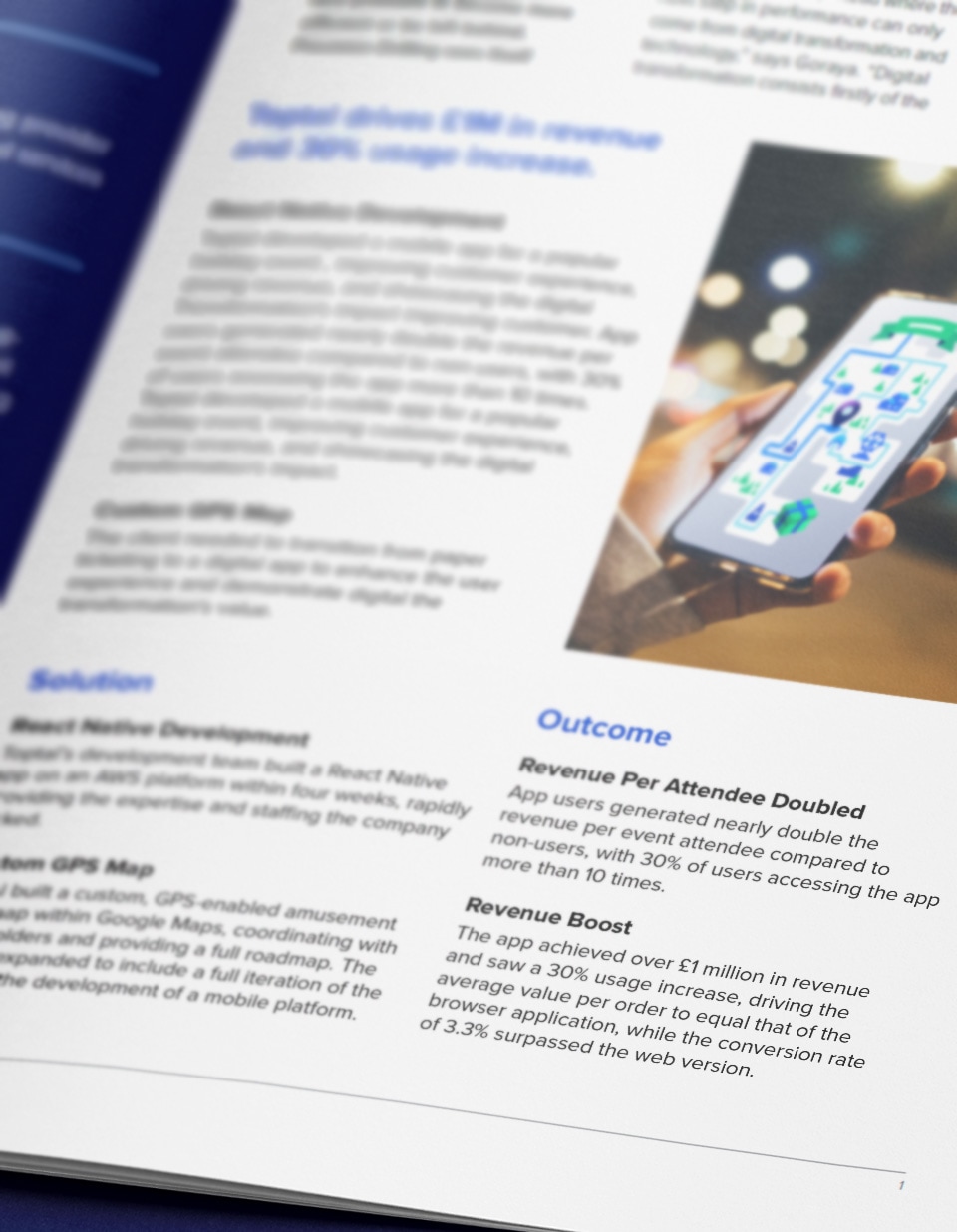
Challenge: The client needed to transition from paper ticketing to a digital app to enhance the user experience and demonstrate digital transformation’s value.
Solution: Toptal built a custom React Native app on an AWS platform, featuring a GPS-enabled amusement park map within Google Maps. The team seamlessly coordinated with stakeholders and delivered a comprehensive roadmap. The initial four-week project expanded to a full iteration of the app and the development of a mobile platform.
Impact: App users generated nearly double the revenue per event attendee compared to non-users, with 30% of users accessing the app more than 10 times. The app achieved over £1 million in revenue and saw a 30% usage increase, driving the average value per order to equal that of the browser application, while the conversion rate of 3.3% surpassed the web version.
Bryan Henderson
Senior Client Partner, Media & Entertainment


Newsweek and Statista’s rankings were based on an independent survey of more than 2,400 decision-makers at Fortune 500s.

| 1 |  |
|---|---|
| 2 |  |
| 3 |  |
| 11 |  |
| 12 |  |
| 33 |  |
|---|---|
| 39 |  |
| 66 |  |
| 80 |  |
| 101 |  |
Highest ranked across all industries
Other Professional Services
Methodology for the Rankings
How likely the respondent is to recommend the selected company to others.
Measures the convenience of interaction with the company and efficiency of processes.
Measures the company’s cost-effectiveness and quality relative to price.
Measures whether the company consistently meets or exceeds expectations in quality and timeliness of deliverables.
Measures the company’s ability to consistently fulfill commitments and maintain customer trust.
OUR THOUGHT LEADERSHIP
Read the latest articles and resources to keep you current on emerging trends in marketing, events, brand strategies, and more.
How can designers draw people into your product’s virtual, digital, or physical world? Take UX to a new level with these expert perspectives on immersive experience design.
Read MoreJeff is the Growth & Digital Marketing Practice Lead at Toptal. He holds a bachelor's degree from Middlebury College and an MBA from Cornell University with an emphasis in leadership and innovation. Jeff has spent the past 15 years building demand generation, content marketing, and digital programs that drive meaningful transformation and growth for both internal teams and external clients. Before joining Toptal, he held senior management roles at Accenture Song, Material, and Telus International.
Event Marketing Related Offerings
Pair Toptal’s Event Marketing Services with related competencies to tackle your business challenges effectively.
Launching an effective event marketing initiative begins long before the first guest walks through the door or logs in to the virtual platform. Success lies in directly connecting your strategy to the organization’s broader goals, audience needs, and available resources. Event marketing services support this process end to end, ensuring every decision—from campaign messaging to venue choice—serves a clear purpose.
Event marketing isn’t one-size-fits-all. An effective plan, often developed in collaboration with a specialized event marketing agency, accounts for your brand’s objectives, whether you’re looking to generate leads, boost brand awareness, or launch a product. This alignment helps determine the event format, promotional approach, and post-event follow-up that will deliver the greatest return on investment.
This article outlines how event marketing services adapt to particular business models, including B2B, B2C, and startup environments. We’ll cover everything from early-stage planning to post-event analysis, presenting a comprehensive look at what it takes to turn events into lasting engines of business value.
Event marketing services are inherently flexible. A skilled agency can tailor strategies to fit anything from intimate, invitation-only experiences to large-scale hybrid conferences.
Each format, industry vertical, and audience segment demands a unique approach and engagement tactics. A fintech company hosting a compliance-focused seminar will have vastly different requirements from a lifestyle brand organizing a trendy pop-up experience. By matching the event marketing strategy with your specific business model, service providers ensure that every detail drives outcomes.
B2B event marketing thrives on delivering high-value experiences that move prospects through the sales funnel and deepen relationships with existing accounts. Event marketing agencies may facilitate everything from large-scale industry conferences to tightly focused webinar series or executive roundtables, each designed to engage decision-makers in meaningful dialogue.
To drive measurable business outcomes, key B2B event marketing tactics often include:
B2C event marketing centers on crafting dynamic, emotionally engaging experiences that create buzz and encourage social sharing. Prioritizing mass appeal and brand presence, these immersive events often take the form of pop-ups and consumer expos designed to turn attendees into active participants and advocates.
High-impact strategies for B2C event marketing include:
Virtual and hybrid events offer organizations the ability to engage broader audiences without sacrificing depth or personalization. Event marketing services guide platform selection, provide technical support, and design content that delivers a seamless, branded experience for both remote and in-person attendees.
Effective virtual and hybrid events integrate tools for live chat, polling, and on-demand content hubs that extend the life of the event beyond its real-time execution. Analytics tools offer deep visibility into audience behavior—tracking attendance and engagement levels—so marketers can refine targeting and optimize future strategies.
Product launch events play a pivotal role in generating excitement, attracting media attention, and accelerating product adoption, especially during critical go-to-market windows. Event agencies help brands craft high-impact experiences that align with product positioning and combine both digital and physical channels.
Effective event marketing services craft standout experiential activations—such as interactive pop-ups and multilocation events—and often partner with influencers to drive authentic buzz. These tactics create moments that maximize engagement and fuel sustained enthusiasm and momentum.
Building and nurturing a loyal community through events means creating spaces where meaningful connections flourish over time. These experiences go beyond one-off transactions to foster ongoing engagement and trust. Event marketing partners help organizations design formats that are responsive to audience needs, hosting targeted meetups and workshops that are tailored to shared interests or stages of growth.
Effective community-driven events are inclusive by design. Whether through multilingual programming or hybrid event formats that bridge geographic divides, the goal is to welcome participation from a diverse, global audience. By combining digital tools with hands-on, experience-based learning opportunities, event marketing partners empower attendees to connect with one another and the brand in meaningful ways.
Large-scale enterprise events demand meticulous planning and seamless execution. These initiatives balance complex logistics with strategic messaging, delivering experiences to diverse audience segments.
Common features of enterprise event marketing include:
For startups and fast-scaling companies, event marketing works best when it’s lean and agile. The objective is to create high-impact moments that build credibility, generate buzz, and convert interest into momentum without overextending limited resources.
Effective event strategies for startups often include:
The right event marketing partner is a strategic extension of your in-house team. Selection starts with finding an agency that understands your brand voice, has proven experience in your industry, and can adapt to the unique demands of your campaigns.
The best partners will handle everything from high-level concept development to on-the-ground execution with precision. Their teams typically include creative leads, logistics managers, and data-savvy strategists. Together, these experts will shape the narrative and aesthetic, ensure smooth coordination and delivery, and measure impact to refine approaches for future success.
Look for a full-service event marketing company with a track record of results across verticals. The strongest partners will point to campaigns that achieved defined objectives, whether accelerating sales cycles, increasing engagement, or driving market expansion.
Pricing for event marketing services can vary widely, depending on factors such as event format, audience size, and geographic reach. A small, single-location activation may carry a different price tag than a multiday hybrid conference. Understanding these variables upfront allows brands to allocate resources where they’ll have the most impact.
Event marketing agencies typically structure costs in one of these ways:
Each model comes with trade-offs, and the right fit depends on your goals and timeline. Transparent pricing is essential for managing expectations and maximizing ROI. A reputable partner will provide a detailed proposal explaining exactly what services are included and identifying key cost drivers.
Successful event marketing is the product of clear strategy, the right tools, and precise execution. Whether you’re hosting a high-stakes product launch or a community-driven virtual summit, the process is designed to deliver value at every stage.
The most effective campaigns are built on a repeatable framework comprising six key steps:
By managing the entire event lifecycle—from early-stage design to post-event reporting—agencies help ensure consistent messaging, minimize logistical friction, and improve ROI measurement.
A great event leaves a measurable footprint. In addition to attendance numbers, agencies track lead quality, content engagement, and sentiment to gauge performance. Key performance indicators (KPIs) to monitor include:
Integrating this data with your CRM lets you connect these metrics to individual customer journeys, enabling more personalized outreach. Attribution modeling helps identify which event touchpoints contribute most to increased sales and loyalty, guiding smarter investment in future initiatives.
Event marketing relies on consistent, well-planned approaches that scale smoothly. By embracing proven best practices, brands can create events that engage audiences effectively and drive results.
Well-defined objectives and relevant KPIs provide a roadmap for the event lifecycle. Establishing these upfront allows teams to target their efforts and measure performance accurately. Key practices include:
An effective event doesn’t begin at the opening keynote or end when the last attendee signs off. A cohesive content strategy—spanning the full lifecycle of the event—is essential for sustaining audience engagement and amplifying long-term impact. By planning content across the pre-, during-, and post-event phases, organizations can maintain momentum and deepen connections with attendees at every touchpoint.
Before the event, content should build anticipation and drive discovery through targeted invitations and optimized blog or social media posts. During the event, real-time engagement tools such as live updates and audience Q&A foster interaction and keep attention high. Afterward, session recordings, executive summaries, and personalized follow-ups extend the value of the event and support continued relationship-building. This continuous content arc reinforces the event’s relevance well beyond the live experience.
Expanding the reach of an event requires a deliberate, multichannel promotion strategy that blends owned, earned, and paid media. A cohesive approach ensures the message reaches varied audience segments through the channels they trust most. Effective event promotion strategies often include email newsletters, website features, blog content, paid advertisements, and targeted PR campaigns.
Social platforms play a central role in building pre-event excitement and real-time engagement. Speaker spotlights, behind-the-scenes glimpses, and interactive content help generate buzz and humanize the brand. To maximize effectiveness, creative assets, calls to action (CTAs), and timing should be tailored to each channel’s audience and its specific role in the attendee journey, ensuring every touchpoint contributes meaningfully to awareness and participation.
Audience engagement increases significantly when events incorporate interactive and personalized elements. Tailoring formats and content to attendee preferences helps deepen connection, sustain attention, and create a more memorable experience. Common techniques include:
A capable, well-organized team is essential to delivering a smooth event experience and representing the brand consistently. Clearly defined roles and well-prepared personnel ensure operational efficiency and meaningful attendee engagement. Event marketing teams typically include:
Trade shows and exhibitions demand specialized tactics that combine preparation, on-site execution, and diligent follow-up to convert interest into results. Core elements include:
Connecting event-generated data with existing marketing ecosystems—including CRM and automation platforms—enables precise targeting and strategic refinements, unlocking deeper insights that fuel decision-making. Behavioral signals, such as session attendance and content downloads, can inform segmentation and lead scoring models. These insights ultimately power more effective campaigns by optimizing message timing, channel selection, and content relevance.
Effective budget management balances strategic investment with cost control. Allocating resources thoughtfully and monitoring spend relative to outcomes supports sustainable cost-efficiency and long-term success. Key tactics include:
The follow-up phase transforms attendance into value. Leveraging insights and content can help nurture relationships and drive sustained engagement. Audience segmentation based on behaviors, such as session participation, enables personalized follow-up with tailored messaging and offers. At the same time, repackaging materials like event recordings and session highlights helps extend reach and bolster brand perception. Close coordination with sales teams ensures a timely, informed handoff of leads, accelerating conversion cycles and increasing the overall return on event investment.
Event marketing is one of the few channels that allows organizations to connect with audiences in real time. When executed well, it can strengthen brand equity and accelerate revenue growth. However, the same qualities that make events impactful—such as immediacy and interactivity—also introduce complexity, requiring thoughtful planning and coordination.
Here’s a breakdown of the advantages and potential pitfalls event marketing may bring:
Benefits and Outcomes | Challenges |
|
|
Event marketing isn’t just about customer acquisition—it can drive results across the business, from strengthening partnerships to increasing retention.
Sales teams use events to accelerate deal cycles through targeted demos, executive briefings, and roundtables that engage decision-makers in meaningful dialogue. For existing customers, community meetups, product training, and appreciation events foster loyalty and long-term advocacy.
In product marketing, launches and feature rollouts gain traction through coordinated campaigns that spark awareness and encourage early adoption. Similarly, brand-building initiatives benefit from high-visibility events that attract media coverage, enhance perception, and reinforce market leadership.
Beyond internal teams, partner and channel development programs, such as summits and co-branded engagement events, expand ecosystems and deepen strategic relationships.
Event marketing services blend bold creative execution with data-driven strategy to help brands design and deliver experiences that drive active audience participation—often in ways other channels can’t replicate. Whether it’s a thought leadership conference, interactive product launch, hybrid customer summit, or pop-up brand activation, these services bring structure and expertise to every phase of the event lifecycle.
More than just on-site coordinators, the right agency partner applies a strategic lens to everything from audience targeting and content development to cross-channel promotion and post-event follow-up. By investing in event marketing services, organizations unlock a repeatable engine for growth and long-term business impact.
Looking for guidance about the perfect event marketing services for your needs?
Get a Free Consultation Now